Serious Space for Simple Living
Yucca, AZ 86438
Mohave County, Arizona
Land Description
Most lots in Havasu Terrace are small 1.13-Acre rectangles. This property is almost 4.73 acres-two oversized adjoining lots that give you roughly four times the ground of a standard parcel, priced closer to a single lot than four. Instead of a skinny rectangle, you're getting a broad section of country you can actually spread out on: room for a main setup, extra rigs, projects, and space left over.
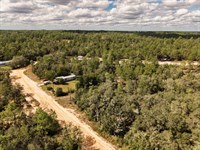
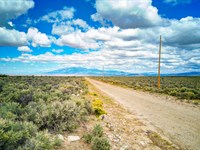
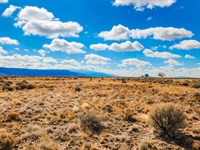
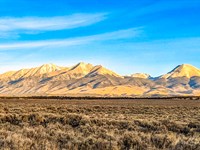
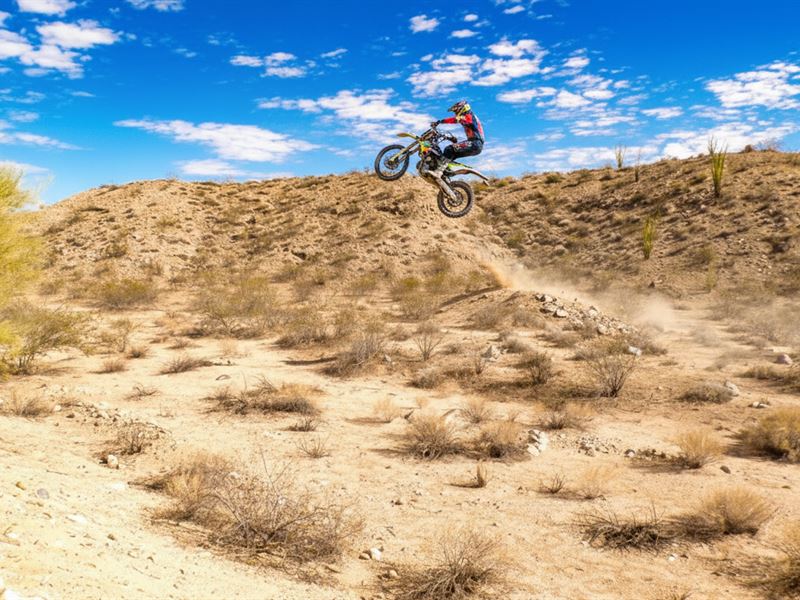
Along Edith Street, the land presents as a broad, gently sloping bench that's easy to pull onto and walk. With this much frontage, you're not fighting for space: you can lay out an RV pad, cabin site, shop, and parking without feeling squeezed by neighboring lines. As you move north, the ground folds down into a wide sandy arroyo that crosses the back of the property. After storms it will carry water; the rest of the time it gives you an open interior corridor-space for kids to roam, a tucked-away fire pit, target range, or a quieter hangout out of the wind.
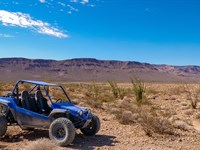
This corner of Mohave County is built for people who like to move. From your gate you can unload bikes or a side-by-side and roll straight into miles of back roads, washes, and low passes, with larger OHV networks and riding areas within an easy haul. When you're ready for water and a change of scenery, Lake Havasu and the Colorado River are close enough for day trips, while Kingman and Lake Havasu City handle bigger supply runs, parts, and nights out.
As a larger weekend base, a flexible off-grid compound with room for multiple setups, or a long-term hold in the corridor between Kingman and Lake Havasu, this double oversized Havasu Terrace property gives you what four standard lots would-just without the extra neighbors.
We are open to owner financing as well - here is what that would look like:
- Total Money Down: $599($349 downpayment + $250 closing cost)
- Monthly: $277/Month for 72 months
See Info below.
- Subdivision: Havasu Terrace
- State: Arizona
- County: Mohave
- Zip:
- Size: 4.72
- Parcel: 245-14-125 + 245-14-124
- Legal Description: Tract: 1041 Havasu Terrace Unit ONE Lot 125 + 124
- Approximate Lat/Long Coordinates:
34.8428, -114.1362 Ne
34.8411, -114.1362 Se
34.8411, -114.1373 Sw
34.8428, -114.1373 Nw
- Annual Taxes: Approximately 59.52/Year
- Zoning: Agriculture Residential (Ar)
--- No time limit to build
--- Site Built, Modular, Mobile, and Manufactured Homes Allowed
--- Tiny Homes allowed with special permit classified as RV or mobile home.
--- Full-Time RV Living Allowed: RV shall be connected to an approved wastewater disposal system, and obtain a special permit.
--- RV on the Property While I build: Allowed
--- Camping in a RV Allowed: 14 days max each occupancy, 30 days total for calendar year.
- Hoa/Poa: No
- Water: Would require a well or alternative.
- Sewer: Would require a septic system
- Utilities: Would have to contact UniSource Energy Services or use alternative power.
- Access: Edith St
- Improvements: None
Information presented in this listing is deemed accurate but is not guaranteed. Buyers are advised to conduct their own due diligence and verify all details independently.
---
Location And Setting Overview:
- River Country Setting on the Arizona Strip: Your 4.72 acres sit just west of the Colorado River corridor in the lower Mohave Desert, about fifteen miles northeast of Lake Havasu City. This stretch runs hot and dry most of the year, with elevations holding around 800 to 1,000 feet and the desert floor opening wide in all directions. The Black Mountains rise sharp to the west across the river in California, while the Mohave and Cerbat ranges sit farther east toward Kingman. Between them you get broad benches cut by sandy washes, creosote flats, and low ridges scattered with barrel cactus and ocotillo. It's classic Sonoran Desert spilling into Mojave territory-less Joshua tree up here than around Dolan Springs, more cholla and mesquite bosque near water. The feel is open and hot, with clear sight lines stretching for miles and very few trees to block wind or sun.
- Lake Havasu City Close Enough for Supplies and Fun: Lake Havasu City sits about fifteen miles southwest of your property, reachable in under twenty minutes once you hit the main highway. That's close enough to run in for groceries at Safeway or Walmart, grab building materials at Home Depot or Lowe's, fuel up trucks and toys, or catch a meal without making it an all-day affair. Havasu is Mohave County's third-largest town with around 57,000 people, and it punches above its weight for services. You've got the regional medical center if you need a doctor, banks and insurance offices, auto parts stores, equipment rental yards, and even a Costco if you're stocking up. The town grew around the lake and the famous London Bridge, so there's a tourist vibe on weekends-jet skis on the water, families at the beaches, RV parks full of snowbirds-but the commercial strips along Highway 95 cater to locals year-round. If you need a break from the quiet or want to grab an ice-cold beer and watch a game, Havasu delivers. Then you drive back out into the desert and remember why you bought land in the first place.
- Kingman About an Hour Northeast for Bigger Errands: Kingman, the county seat, is roughly fifty-five to sixty miles northeast via Highway 95 to Interstate 40. That's about an hour's drive, which means you're not running there every week but it's manageable when you need something Havasu doesn't have. Kingman brings full-service medical at Kingman Regional Medical Center, county offices for permits and property records, a broader selection of contractors and building suppliers, and that small-town Route 66 character Havasu doesn't quite match. If you're pulling permits for a build or dealing with county planning, you'll likely make the trip to Kingman's Development Services office a time or two. Otherwise, Havasu handles most of what you need closer to home.
- Colorado River and Lake Havasu Within Easy Reach: The Colorado River runs along the western edge of Mohave County, and Lake Havasu-the wide reservoir behind Parker Dam-sprawls just southwest of your property. From Havasu Terrace you can reach public boat launches, beaches, and fishing spots in under half an hour. Lake Havasu holds over 400 miles of shoreline and stays full most of the year, making it one of Arizona's most reliable water playgrounds. People come from all over the Southwest to boat, ski, fish for striped bass and largemouth, or just float in a cove and cool off. If you've got a boat or jet skis, you can trailer them down for the day and be back on your land by sunset. If you don't, the riverfront parks and beaches are free to visit-Rotary Park, Windsor Beach, Cattail Cove State Park-and you can wade in, fish from shore, or launch a kayak without spending a dime. The contrast between the hot desert and cold river water is something you feel in your bones. After a morning cutting metal or digging post holes in 105-Degree heat, that first splash into Havasu is pure relief.
- Laughlin and Bullhead City Across the River to the North: About forty-five miles north along the river corridor sits another cluster of activity: Bullhead City on the Arizona side and Laughlin, Nevada just across the water. Laughlin is a smaller, grittier version of Vegas-casinos, cheap buffets, live music, and enough neon to light up the desert at night. Bullhead City has the everyday stuff: grocery stores, gas stations, medical clinics, even a regional airport if you're flying somewhere. The drive up Highway 95 takes you through open desert with the Black Mountains looming on your left and the river valley on your right. It's an easy run if you want a night out or need to hit a different set of stores. Some folks prefer Bullhead's vibe to Havasu's tourist scene, and you're close enough to both that you can pick depending on your mood.
- Wide Open Desert with Room to Breathe: What really defines this location is space. Havasu Terrace and the surrounding unincorporated areas are lightly settled, with most lots still empty or used only on weekends. You might see a neighbor's fifth wheel or a small cabin on the next parcel over, but there's no subdivision crowding, no street lights, and no late-night traffic noise. At night the sky goes black and the stars punch through so bright you can see your shadow by starlight alone. During the day the heat shimmers off the sand and you can watch dust devils spin across the flats for miles. It's quiet in a way that feels almost aggressive if you're not used to it-no hum of highways, no distant sirens, just wind and the occasional croak of a raven. For people who want elbow room and the freedom to do what they want without neighbors calling the county, this part of Mohave delivers.
---
Wildlife And Hunting:
- Desert Mule Deer and Occasional Pronghorn Sightings: Mule deer are scattered through this part of Mohave County, though they're not as common down here near the river as they are up in the higher elevations around Kingman or the Hualapai Mountains. Still, you'll see them from time to time, especially in the early mornings and late evenings when they move down into the washes looking for browse. They're smaller-bodied than Rocky Mountain mule deer, adapted to the desert heat, and they can survive on very little water if they have access to moisture-rich plants like prickly pear and jojoba. Big bucks tend to hang in the rougher, rockier country during the day and move to the flats to feed at night. If you're patient and glass the ridges at dawn, you might spot a decent buck bedded in the shade of a creosote bush or tucked into a rocky overhang. Pronghorn antelope are less common this far south, but they do show up occasionally on the open flats between here and the Bill Williams River. They're the fastest land animals in North America, built for speed and distance, and watching a small herd sprint across the desert at forty miles an hour is a sight you won't forget. They prefer wide-open country with good visibility, so if you see them at all it'll likely be in the distance, moving like ghosts across the heat shimmer.
- Coyotes, Foxes, and Bobcats Prowling the Desert: Predators are abundant out here, and you'll hear the coyotes almost every night once the sun goes down. Their yipping and howling echoes across the desert, sometimes close enough that it sounds like they're right outside your tent. Coyotes are opportunistic hunters and scavengers, taking everything from rabbits and rodents to carrion and trash if you're not careful about securing food. They're wary of people during the day but bold enough at night that you might catch one in your headlights trotting down Edith Street like he owns the place. Gray foxes and kit foxes also live out here, though they're more secretive and you're more likely to see their tracks in the sand than the animals themselves. Bobcats hunt the washes and rocky areas, preying on rabbits, ground squirrels, and birds. They're solitary and mostly nocturnal, so sightings are rare, but if you're lucky you might catch one slipping through the brush at dusk or find its tracks near a kill site. These predators play an important role in the ecosystem, keeping rodent populations in check and cleaning up the desert, and they add an element of wildness to the landscape that makes it feel truly alive.
- Jackrabbits, Cottontails, and Desert Rodents Everywhere: Small game is plentiful if you know where to look. Black-tailed jackrabbits are common on the flats, sitting motionless in the shade of a creosote bush until you're almost on top of them, then exploding into a zig-zagging sprint that seems impossibly fast. They're challenging targets for small game hunters, and some folks use them for dog training or just for practice. Desert cottontail rabbits are smaller and prefer rocky areas with more cover, where they can duck into crevices if a hawk or coyote comes calling. Both species breed prolifically and provide a steady food source for the predators higher up the food chain. Ground squirrels, kangaroo rats, and pack rats round out the rodent population, and you'll see their burrows and tracks everywhere. Pack rats are notorious for building massive stick nests in the shelter of cholla cactus or under abandoned equipment, and they'll chew through wires and hoses if you leave a vehicle sitting too long. Keep your camper buttoned up and your stored gear sealed, or you'll be dealing with their mischief.
- Quail and Dove for Upland Bird Hunting: Gambel's quail are the signature upland bird of the Mohave Desert, and you'll see coveys of them scurrying through the brush like tiny feathered roadrunners. They have a distinctive topknot feather that bobs as they run, and their calls-a sharp "chi-ca-go-go"-echo through the desert at dawn and dusk. Quail prefer areas with dense cover like mesquite thickets or palo verde groves, where they can escape from hawks and stay cool during the heat of the day. Hunting quail here requires fast shooting and good dog work, as the birds flush hard and scatter in all directions when pressured. Mourning doves and white-winged doves are also abundant, especially near water sources and agricultural edges closer to the river. The dove season in Arizona is generous-running from September through January with liberal bag limits-and the action can be fast and furious on a good day. Set up near a stock tank or along a flyway at dawn, and you might shoot your limit in an hour.
- Waterfowl and Wading Birds Along the River Corridor: The Colorado River and Lake Havasu attract waterfowl during the winter months, with ducks and geese using the river as a migration corridor and wintering grounds. Mallards, pintails, teal, and mergansers are all common, along with occasional snow geese and Canada geese. The marshy areas around the Bill Williams River delta and Topock Marsh are hotspots for waterfowl hunting, and the Arizona Game and Fish Department manages several waterfowl areas in the region. If you're into duck hunting, it's worth making the drive down to scout the marshes and set up a blind when the season opens. Great blue herons, egrets, and other wading birds are also common along the river, and they make for good wildlife watching even if you're not hunting. Seeing a great blue heron standing motionless in the shallows, waiting to spear a fish, is one of those simple moments that reminds you why wild places matter.
- Bighorn Sheep in the Black Mountains Across the River: Desert bighorn sheep are one of the iconic large mammals of the Mojave Desert, and they inhabit the rugged Black Mountains across the Colorado River to the west. These mountains are steep, rocky, and brutally hot, which suits the bighorn perfectly. They're built for climbing, with specialized hooves that grip rock and incredible agility that lets them navigate cliffs that would kill a human. Spotting a bighorn requires patience, good optics, and a bit of luck-they blend into the rock so well that you can be looking right at one and not see it. The ewes and lambs tend to stay in small groups, while the rams form bachelor bands and spar with each other during the rut. Hunting desert bighorn is a once-in-a-lifetime opportunity for most people, as the tags are extremely limited and usually awarded through a lottery system. But even if you never draw a tag, just knowing they're out there adds a sense of wildness to the landscape. If you set up a spotting scope at dawn and glass the rocky ridges across the river, you might get lucky and see a ram skylined on a cliff, surveying his domain like a king.
---
Historical Significance:
- Mining Boom Days and Desert Prospectors: The desert around Lake Havasu and the lower Colorado River has drawn fortune seekers since the 1860S, when prospectors fanned out from California looking for the next big strike. Gold was discovered in the nearby hills, and small mining camps sprang up wherever color showed in the pan or a promising vein cut through the rock. Most of these operations were small-scale affairs-a couple of guys with picks and shovels, maybe a burro to haul supplies, working claims that might pay out or might leave them broke. The bigger mines brought stamp mills and hired crews, crushing ore and shipping it downriver by steamboat. Towns like Swansea and Signal, both northeast of here, boomed for a few years before the ore played out and everyone moved on. What they left behind were tailings piles, collapsed shafts, rusted equipment, and stories of hard men making hard livings in a hard land. Some of those old diggings are still visible if you know where to look, and you can find bits of history scattered in the washes-square nails, purple glass insulators, pieces of rusted cable. It's a reminder that people have been trying to make something out of this desert for over a century and a half, and some succeeded while many didn't.
- The Colorado River as Lifeline and Highway: Before highways and railroads, the Colorado River was the main transportation route through this part of the Southwest. Steamboats ran upriver from the Gulf of California as far as Yuma and beyond, hauling supplies to remote mining camps and Army forts. The river was wild then-full of snags, sandbars, and flash floods that could drown a boat in minutes. Pilots who knew the river's moods could make good money, but it was dangerous work. By the early 1900S the railroads had made steamboats obsolete, but the river remained vital for irrigation and power. Parker Dam, built in the 1930S about forty miles south of Lake Havasu City, created Lake Havasu and allowed water to be diverted west to supply Los Angeles and Southern California through the Colorado River Aqueduct. That massive engineering project changed everything-turning a wild, unpredictable river into a managed reservoir that provides water, power, and recreation to millions of people. The lake filled in 1938, and by the 1960S Lake Havasu City was founded as a planned community built around the water. The famous London Bridge was purchased from England and reassembled here in 1971 as a tourist attraction, and the town's been growing ever since.
- Native Peoples and Ancient Crossings: Long before miners and steamboats, this stretch of the Colorado River was home to Native peoples who understood how to live in the desert. The Mojave, Chemehuevi, and Quechan tribes all inhabited the river corridor, fishing for Colorado pikeminnow and razorback sucker, farming beans and squash in the floodplain, and trading with tribes from the coast and the interior. They knew where the reliable springs were, which plants could be eaten or used for medicine, and how to move through country that would kill a newcomer in a day. Petroglyphs and rock alignments mark old camp sites and travel routes, and you can still find grinding holes in the bedrock where women processed mesquite beans and seeds hundreds of years ago. The Spanish came through in the 1700S, mapping the river and establishing missions, but they didn't stay. It wasn't until the American expansion in the 1800S that permanent settlements took hold. The old crossings and trails are mostly forgotten now, buried under reservoirs and highways, but the bones of that history are still here if you look close.
- Route 66 and the Road Trip Era: Though Havasu Terrace sits a bit south of the main Route 66 corridor, the Mother Road's influence shaped this whole region. Highway 66 ran through Kingman and down to Oatman before cutting west toward California, and it brought a wave of travelers, truckers, and dreamers looking for opportunity out West. Motels, diners, and gas stations popped up to serve the road, and some of those old buildings still stand-faded signs and crumbling stucco marking the path of America's most famous highway. Lake Havasu City came later, but it fed on that same road-trip spirit. People driving cross-country would detour south to see the London Bridge, cool off in the lake, and maybe stay a few days. The highway culture of speed, freedom, and movement is still part of the DNA out here. You see it in the RVers passing through, the off-roaders chasing trails, and the folks who buy land because it's cheap and open and nobody tells them what to do.
- The London Bridge Story and Lake Havasu City's Rise: In 1968, Robert McCulloch-founder of Lake Havasu City-bought the original London Bridge from the city of London for $2.4 million and had it dismantled, shipped to Arizona, and reassembled stone by stone over a channel dug specifically for it. The whole thing sounds like a publicity stunt, and in some ways it was, but it worked. The bridge opened in 1971 and put Lake Havasu City on the map. Tourists came to see the oddity of an 1830S English bridge standing in the middle of the Arizona desert, and many stayed or came back. The town grew from a real estate experiment into a legitimate city with tens of thousands of residents, drawing retirees, boaters, and anyone looking for affordable desert living with water access. Havasu Terrace and the surrounding subdivisions were platted during this growth period, carved out of the desert and sold to people who wanted a piece of the action. Some bought to build, others bought to hold, and still others bought on a whim and never came back. That mix of ambition, speculation, and freedom is part of what makes Mohave County land so interesting-you're not just buying dirt, you're buying into a story that's still being written.
- Modern Development and the Ongoing Frontier: Today, the land around Lake Havasu is a mix of built-up areas and wide-open spaces. The city itself has all the modern conveniences, but step outside the city limits and you're back in frontier country. Subdivisions like Havasu Terrace exist in that in-between zone-platted and legal, with county roads and parcel numbers, but still raw and mostly undeveloped. Some lots have nice homes or well-kept RV setups, others are empty except for a few stakes marking the corners. It's a work in progress, and that's part of the appeal. You're not moving into a finished neighborhood with rules and expectations. You're getting in on the ground floor of something that's still taking shape, where what you build and how you use the land helps define what this place becomes. That sense of possibility, of being part of the story rather than just moving into someone else's finished product, is rare these days. Out here, it's still real.
---
Building And Development Options:
- AR Zoning Gives You Maximum Flexibility: Agriculture Residential zoning is about as permissive as it gets in Mohave County. You can build a site-built home, drop a manufactured house, set up a modular, or even work with a tiny home if you go through the right permit process. There's no minimum square footage beyond the county's basic 600-Square-Foot rule for habitable structures, and no maximum-build a 5,000-Square-Foot custom home if that's your vision, or keep it simple with an 800-Square-Foot cabin. The county doesn't care as long as you meet building codes and setbacks. You can have one primary residence and one guest house or accessory dwelling, which means you could put a main house on one end of the property and a smaller cabin or casita on the other for guests, extended family, or rental income. Outbuildings-shops, barns, storage sheds-are allowed without much fuss as long as they're not being used as residences. Many people out here start with a small shop building where they can store tools and equipment, work on projects, and crash in a cot if needed, then build the main house later when time and money allow.
- Manufactured Homes and Modular Options Welcome: If you want to get on the property quickly without spending a year and a fortune on a custom build, manufactured homes are a solid option. The county allows any Hud-Code manufactured home built in 1976 or later-basically anything with a red HUD certification label. These homes are built in factories, trucked to your site, and set on a permanent foundation or pier-and-beam system. A decent double-wide can give you 1,200 to 1,600 square feet of living space for half the cost of a site-built home, and modern manufactured homes are far better than the old mobile homes people remember from the '70s. They come with real insulation, energy-efficient windows, and floor plans that don't feel cramped. You'll need to install a septic system and get the home properly permitted and anchored, but once that's done you've got a real residence you can live in full-time. Modular homes are another option-these are also factory-built but they're constructed to the same code as site-built homes and typically come in multiple sections that get craned onto a foundation and bolted together. They cost more than manufactured homes but less than full custom builds, and they tend to hold value better.
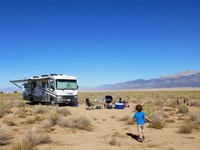
- RV Living While You Build or as a Long-Term Setup: One of the best things about AR zoning is the RV flexibility. You can camp in an RV on your property for up to fourteen consecutive days, and up to thirty days total per year, without needing any permits or infrastructure. That's perfect for weekend use-just pull your camper onto the property Friday afternoon, spend the weekend clearing brush or planning your build, then head home Sunday night. If you want to stay longer, you can apply for a temporary RV occupancy permit once you've installed an approved septic system. That permit allows you to live in your RV full-time while you're building a permanent residence, or even just as a long-term setup if that's how you want to live. The county will typically approve these permits for a year at a time, renewable as long as you're maintaining the property and the septic system is functioning. Some folks live in an RV for years, banking the money they'd spend on a house and enjoying the simplicity of a smaller footprint. Others use it as a bridge-living on-site in the RV while they slowly build a cabin or home with cash as they go, avoiding loans and interest.
- Off-Grid Living is Not Just Allowed But Expected: Most of Havasu Terrace doesn't have utilities at the lot line, which means off-grid systems aren't just an option-they're the default. Solar power is the obvious choice in a place that sees over 300 days of sunshine a year. A basic off-grid setup might include a 3- to 5-kilowatt solar array, a battery bank to store power, and an inverter to convert DC to AC for household use. Add a backup generator for cloudy stretches or heavy loads, and you've got a system that'll run lights, fans, a fridge, electronics, and even a small air conditioner if you size it right. Wind power is less common out here because the winds aren't as consistent as the sun, but some people add a small wind turbine to supplement solar during the winter months when the days are shorter. For water, you'll either haul it in and store it in a cistern, or drill a well if you're planning long-term occupancy. Septic systems are required for any permanent residence or long-term RV setup, and the county's permitting process is straightforward-hire a local installer, get the soil tested, submit your plans, and they'll approve it if it meets code. Propane handles cooking and heating, and it's delivered by truck or you haul it yourself in smaller tanks.
- No HOA Means You Build What You Want When You Want: There's no homeowners association breathing down your neck in Havasu Terrace, which means no architectural review boards, no mandatory landscaping, no rules about what color you can paint your house or whether you can park a work truck in the driveway. You want to put up a steel building? Go ahead. Want to build with straw bales or rammed earth? Have at it, as long as it meets building code. Want to leave half the property wild and use it for dirt bike practice? Nobody's stopping you. That freedom is rare these days, especially in Arizona where even rural subdivisions sometimes get saddled with Cc&Rs and HOAs that limit what you can do. Out here, the only rules are county zoning and building codes, and those are designed for safety and sanitation, not aesthetics. You can take your time building, work on it when you've got money or motivation, and leave it half-finished for years if that's what suits you. There's no deadline, no pressure, no neighbors filing complaints because your lot isn't manicured.
- Practical Building Considerations for the Desert Climate: Building in the low desert comes with challenges you won't face in milder climates. The heat is brutal from May through September, with highs pushing 110 degrees or more, so any structure needs good insulation and ventilation or you'll cook inside. Many people go with metal roofs because they shed heat and last longer than shingles in the intense UV exposure. Shade is critical-orient your house to minimize afternoon sun exposure, plant trees or build shade structures, and design for cross-ventilation to catch any breeze. Swamp coolers work well here because the air is so dry, and they use way less power than refrigerated AC, which matters when you're running off solar. For foundations, a monolithic slab or pier-and-beam system both work fine in the stable desert soil. The ground doesn't freeze, so you don't need deep footings, but you do need to account for the occasional flash flood if your property sits in or near a wash. Raised foundations or proper drainage can keep water from undermining your structure. Materials-wise, stick with things that can handle temperature swings and UV exposure-stucco, fiber cement siding, metal, and masonry all hold up well. Wood siding and trim will fade and crack unless you're committed to maintaining it.
---
---
Off-Grid Living Potential:
- Solar Power is a No-Brainer in This Sunny Climate: With over 300 days of sunshine a year and intense solar radiation from May through October, this property is ideal for solar power. A basic off-grid system can be surprisingly affordable if you're willing to start small and expand over time. Begin with a few panels, a charge controller, a small battery bank, and an inverter-enough to run LED lights, charge phones and laptops, and power a 12-volt refrigerator. That might cost $2,000 to $3,000 if you shop smart and do the installation yourself. From there, you can add more panels and batteries as your needs grow or your budget allows. For a full-time setup running a well pump, refrigerator, lights, fans, and occasional AC, you're looking at a larger system-maybe 5 to 8 kilowatts of panels, a substantial lithium battery bank, and a quality inverter. That might run $15,000 to $25,000 depending on components and labor, but it gives you true grid independence. Many people also add a backup generator-a 5,000-Watt propane or gas unit that kicks in automatically when the batteries run low or when you need to run heavy loads like power tools or a well pump. The beauty of solar out here is consistency. Unlike cloudy regions where you're gambling on whether the sun will show up, the Arizona desert delivers day after day, year after year. Your panels will produce power even in winter, and summer production can be so strong you'll have excess energy you don't know what to do with.
- Water Solutions: Wells, Hauling, and Rainwater Collection: Water is the biggest challenge for off-grid living in the desert, but it's solvable with planning. The first question is whether to drill a well or haul water. Well depths in this area vary-some people have hit water at 200 to 400 feet, while others have drilled deeper with mixed results. Before you commit to drilling, do your research. Check the Arizona Department of Water Resources well registry to see what nearby wells have found, talk to local drillers about their experience in this specific area, and budget for the possibility that you'll drill a dry hole or need to go deeper than expected. Drilling costs typically run $30 to $50 per foot including casing, so a 300-Foot well could cost $9,000 to $15,000, plus another few thousand for the pump, pressure tank, and electrical setup. If that's not in the budget right away, water hauling is a proven alternative. You can buy a 2,500-Gallon poly tank for under $2,000, set it on a stand or bury it partially for insulation, and fill it from Lake Havasu City's water system or a commercial water delivery service. A full tank will last one person several months with conservative use, or a couple weeks for a family of four. Some folks combine strategies-haul water for the first few years while saving money, then drill a well when they're ready for permanent residence. Rainwater harvesting is legal and encouraged in Arizona, though with only 4 to 6 inches of annual rainfall in this area, you won't collect huge volumes. Still, a 1,000-Square-Foot roof can yield a few thousand gallons per year, enough to supplement your supply for outdoor use, gardening, or washing equipment.
- Septic Systems and Alternative Waste Solutions: Any permanent residence or long-term RV occupancy requires an approved wastewater system, and in Havasu Terrace that means a septic system. The good news is that the sandy, well-draining soil here is ideal for conventional septic with a leach field. A typical three-bedroom system-septic tank, distribution box, and leach lines-will run $5,000 to $8,000 installed, depending on soil conditions and how deep you need to dig. The permitting process through Mohave County Environmental Health is straightforward: hire a licensed installer, they'll do a percolation test to confirm the soil can handle the wastewater, design the system, submit the paperwork, and install it under county inspection. Once approved, you've got a system that should last 20 to 30 years with proper maintenance-meaning pumping the tank every 3 to 5 years and not flushing anything that shouldn't go down the drain. For temporary or minimal-impact use, composting toilets are an option if you're living in an RV or tiny cabin. They don't require water or septic, they break down waste into compost that can be safely disposed of, and they're legal as long as you're not dumping raw sewage on the ground. Many off-gridders use a combination-composting toilet for solid waste, and a simple greywater system for shower and sink water that irrigates trees or landscaping away from the living area.
- Propane for Cooking, Heating, and Hot Water: Propane is the workhorse fuel for off-grid living, handling tasks that would otherwise require a lot of electricity or wood. A propane tank-250, 500, or 1,000 gallons depending on your needs-can be delivered and set on your property by a local supplier, and you pay for refills as you use them. Propane runs kitchen stoves, ovens, water heaters, space heaters, and even refrigerators if you're going for a fully off-grid setup without solar. A propane on-demand water heater is a popular choice because it only fires up when you turn on the hot water tap, so you're not keeping a big tank hot all the time. For space heating in winter, a vented propane wall heater or small furnace keeps a cabin comfortable without burning through electricity or requiring constant fire-tending. Propane is efficient, clean-burning, and reliable, and suppliers in Lake Havasu City or Kingman will deliver to rural properties without much hassle. Just make sure your tank is accessible by truck and properly secured.
- Internet and Communication in the Middle of Nowhere: Staying connected off-grid used to mean accepting slow, expensive satellite internet or driving to town for wifi. Not anymore. Starlink has changed the game for rural Arizona, delivering high-speed internet via low-orbit satellites with speeds that rival or beat cable in town. The equipment costs around $600 upfront, service runs about $120 a month, and the dish draws roughly 50 to 75 watts-easily handled by a modest solar system. With Starlink, you can work remotely, stream videos, video call with family, and do everything you'd do on city internet, all from a property with no other infrastructure. Cell service in this area is hit or miss depending on your carrier. Verizon tends to have the best rural coverage in Mohave County, and you might get a usable signal with a good phone and a directional antenna or booster. At&T and T-Mobile work in some spots but have more dead zones. If cell signal is critical for work or safety, test it on-site before you commit to living there full-time, and invest in a quality signal booster if needed.
- The Freedom and Responsibility of Self-Sufficiency: Living off-grid isn't just about saving money or avoiding utility bills-it's a lifestyle choice that comes with both freedom and responsibility. You're free from the grid, from monthly bills, from being dependent on systems that can fail or get shut off. You're in control of your own power, water, and waste, and that independence is deeply satisfying for people who value self-reliance. But it also means you're responsible when things break. If your inverter fails or your well pump quits, there's no utility company to call-you troubleshoot it yourself or hire someone to come out, and in the meantime you're without power or water until it's fixed. You learn to think ahead, keep spare parts on hand, conserve resources during lean times, and celebrate the small victories like a full battery bank on a sunny winter day. It's not for everyone, but for those who thrive on problem-solving and self-sufficiency, off-grid living in the Arizona desert is hard to beat.
---
Investment And Market Analysis:
- This Double Lot Delivers Exceptional Value Per Acre: At the asking price, you're getting 4.72 acres for what many sellers charge for a single 1.13-Acre lot in Havasu Terrace. Do the math-standard lots often list between $8,000 and $15,000 depending on location and market conditions, which means four separate lots would cost $32,000 to $60,000 if you bought them individually. This combined parcel gives you nearly five times the space at a fraction of that cost, which makes it compelling whether you're planning to use the land yourself or hold it as an investment. The larger size opens up possibilities that smaller lots can't match-room for multiple structures, space to spread out your setup, and enough ground to absorb mistakes or changes in plans without feeling boxed in.
- Mohave County Land Values Follow Regional Growth Patterns: Land prices in Mohave County have historically been cyclical, tracking with broader Arizona real estate trends but with more volatility because raw land is more speculative than improved property. The market saw big gains in the mid-2000s, crashed hard in 2008-2009, recovered slowly through the 2010S, and spiked again during the 2020-2022 pandemic boom when remote work and urban flight drove demand for affordable rural land. Since then, prices have stabilized but remain well above pre-pandemic levels. The long-term trend is upward, driven by Arizona's steady population growth, California buyers looking for cheaper land, and the ongoing appeal of the Colorado River corridor for recreation and retirement. Mohave County's population is projected to keep growing over the next two decades, and as Lake Havasu City expands and infrastructure improves along Highway 95, the surrounding unincorporated areas will see increasing interest.
- Low Holding Costs Make This a Patient Investor's Dream: One of the best things about raw land in Mohave County is how cheap it is to hold. Annual property taxes on this 4.72-Acre parcel run about $60-Less than what most people spend on coffee in a month. There's no HOA fee, no mandatory improvements, no timeline to build. You can buy this property, pay the tiny tax bill once a year, and sit on it for a decade without breaking a sweat financially. Compare that to holding rental property, where you've got mortgage payments, insurance, maintenance, and tenant headaches, or stocks that can swing wildly in value. Land just sits there, costing you almost nothing, while you wait for the market to improve or for your personal situation to align with developing it. Arizona also has no state transfer tax, which means when you do sell, you don't get hit with a percentage of the sale price going to the state. That makes buying and selling land more liquid and less costly than in states with heavy transfer taxes.
- Multiple Exit Strategies Increase Your Flexibility: If you buy this property and later decide it's not for you, you've got several ways to get out. You can list it for sale with a realtor or on land-selling platforms like LandFlip, LandWatch, or Facebook Marketplace. You can offer owner financing and turn it into a monthly income stream-sell it for a higher price with a low down payment and carry the note yourself, collecting monthly payments plus interest. That strategy works well in the land market because many buyers can't qualify for bank loans on raw land but can afford monthly payments. You can also trade or exchange the property for something else you want more-maybe land in a different state, a vehicle, equipment, or another asset. And if all else fails, you can donate the land to a charity and take a tax deduction for the fair market value, though you'd want to consult a tax professional on that strategy. The point is, land is flexible. It's a real asset you can see and touch, it has intrinsic value, and it gives you options that paper assets don't.
- The Lake Havasu Growth Factor: Lake Havasu City is one of the faster-growing communities in Mohave County, and proximity to growth usually benefits nearby land values. The city has been adding residents, businesses, and amenities steadily for years, and as it expands, the surrounding areas start to look more attractive for people who want to be close to services but not in the middle of town. Havasu Terrace sits about fifteen miles northeast of the city, which is far enough to feel rural but close enough to benefit from spillover demand. As more people discover the Lake Havasu area-for retirement, for recreation, for remote work-the pool of potential buyers for properties like this grows. You're not just betting on raw desert land; you're betting on the continued appeal of the Colorado River corridor and the western Arizona lifestyle.
---
- Your Next Chapter Starts With One Decision: This 4.72-Acre property in Havasu Terrace represents more than just land-it represents possibility. The possibility of building something with your own hands, of living on your own terms, of escaping the grind and creating a life that reflects your values instead of someone else's expectations. Maybe you build a weekend retreat where you unplug from the world and reconnect with family. Maybe you create a full-time off-grid homestead powered by the sun and your own sweat. Maybe you just hold onto it as an investment, watching the value grow while you decide what comes next. Whatever you choose, you'll do it on nearly five acres with no Hoa, no neighbors breathing down your neck, and no one telling you it can't be done. The desert doesn't judge. It doesn't care what you build or how fast you build it. It just offers space, silence, and the kind of freedom that's getting harder to find in a crowded, complicated world. If that sounds like something you've been looking for, this might be exactly what you need.
The details provided in this property listing are believed to be reliable but are not warranted. Prospective buyers should perform their own research and verification of all information before making purchase decisions.
Land Maps & Attachments
Directions to Land
From Kingman, get on I-40 W from E Spring St and W Beale St (1.4 miles).
Follow I-40 W for approximately 23.4 miles.
Take exit 25 toward Cal-Ari Dr in Yucca.
Take Alamo Rd to Edith St (2.3 miles).
More Land Details
More Land from Jon and Valari Burnett
 1.2 AC : $11.5K
- 0.5 AC : $10.5K
- 5.1 AC : $16.9K
- 5 AC : $7.9K
- 0.3 AC : $8.9K
- 2.5 AC : $8.9K
- 2.6 AC : $6.9K
- 7.1 AC : $18.9K
- New0.2 AC : $13.5K
- 5.8 AC : $9.9K
- 0.6 AC : $13.5K
- 1.3 AC : $6.9K