MT Blanca View Cabin Site on Sauder
Fort Garland, CO 81133
Costilla County, Colorado
Land Description
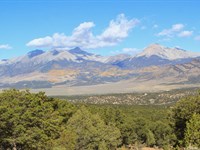
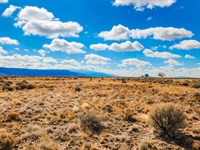
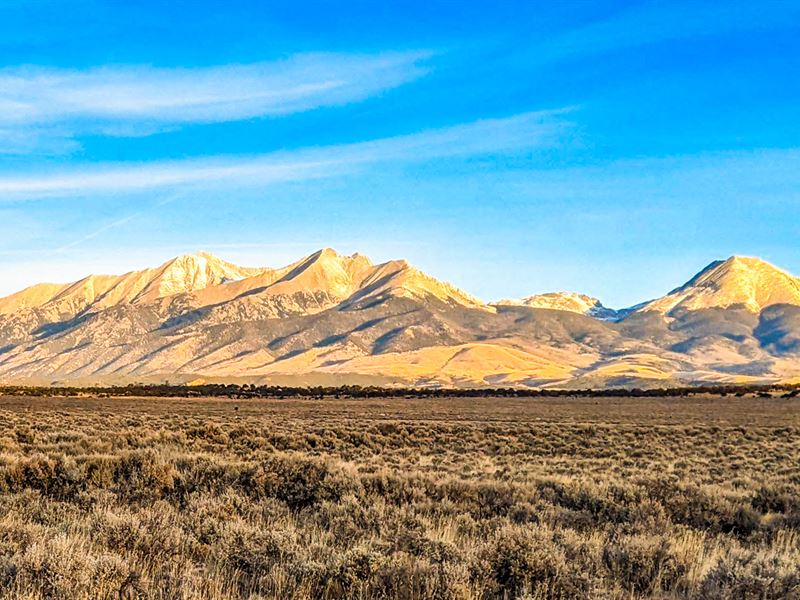
At the eastern edge of Fort Garland's foothills, this 5.81-Acre parcel sits just above the highway corridor on a quiet stretch of Sauder Road. From here you're a few minutes from town for fuel, groceries, and the historic fort museum, but your everyday view is out over the San Luis Valley toward Blanca Peak and the spine of the Sangre de Cristo Range. At roughly eight thousand feet, the air is clear, the light is sharp, and nights drop into true dark-sky stargazing.
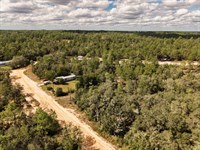
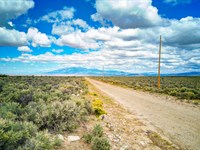
The land itself is straightforward and usable. The lot tapers slightly and fronts two dirt roads, giving you flexible access and more than one natural homesite. It's mostly open high-country ground with gentle contours, easy to walk and easy to imagine with a cabin, small home, or well-set-up camp.
Around you, there's more to explore than just the view from your porch. Great Sand Dunes National Park lies roughly half an hour to the northwest via Us-160 and Highway 150, with trailheads, dunes, and creek play in season. Mountain Home Reservoir, Smith Reservoir, and other local lakes offer trout fishing and quiet shorelines, while the higher sections of the Sangre de Cristo Ranches and nearby public lands give you room for hiking, glassing for elk, and driving old forest roads. As a home base, this parcel keeps you close to town and the main highways while still giving you the space and silence people come to this part of Colorado to find.
We are open to owner financing as well - here is what that would look like:
- Total Money Down: $599 ($349 downpayment + $250 closing cost)
- Monthly: $164/Month for 84 months
See Info below.
- Subdivision: Sangre de Cristo Ranches
- State: Co
- County: Costilla
- Zip:
- Size: 5.81 acres
- Parcel: 70268490
- Legal Description: Lot 3130, Block 179, Sangre de Cristo Ranches, Unit W, County of Costilla, State of Colorado.
- Approximate Lat/Long Coordinates:
37.4361, -105.3824
37.4366, -105.3802
37.4355, -105.3797
37.4353, -105.3822
- Annual Taxes: Approximately $88.54/Year
- Zoning: Estate Residential
--- For a site built home, you need a 600sqft minimum footprint.
--- Mobile homes are Allowed.
--- You can camp for 14 days (every 3 months)
--- Temporary RV Occupancy permit available for up to 180 days if a well has been permitted or cistern installed and a septic or onsite waste management system has been installed ($250 fee - good for 60 days at a time while building, renewable).
--- Zoning office is open Monday through Thursday and can be contacted to answer any questions.
- HOA/Poa: No
- Improvements: None
- Access: Sauder Rd.
- Water: Would be well or holding tank
- Sewer: Would be septic
- Utilities: Would be by alternative
Information presented in this listing is deemed accurate but is not guaranteed. Buyers are advised to conduct their own due diligence and verify all details independently.
---
Location And Setting Overview
- Eastern Gateway to Colorado's Mountain Heart: You're looking at 5.81 acres that sit right where the flatlands start climbing into the Sangre de Cristo Mountains. This isn't the wide-open western valley floor - you're on the eastern side, where the ground begins its dramatic rise toward the high peaks. Fort Garland sits maybe five minutes north on Us-160, giving you quick access to gas, a grocery store, and the historic fort museum that Kit Carson once commanded. But step onto your land and you're out of the highway corridor, up on Sauder Road where it's just you, the view, and the kind of quiet that reminds you why people moved west in the first place.
- The Sangre de Cristo Backdrop: From almost anywhere on this property, your eastern horizon is pure mountain drama. The Sangre de Cristo Range rises like a massive stone wall, with Blanca Peak anchoring the northern end at 14,345 feet. That's Colorado's fourth-highest summit, and on clear mornings the alpenglow turns those peaks the deep crimson red that gave them their name - Blood of Christ Mountains. To the south you'll see the full sweep of the range running down toward New Mexico, with Kit Carson Peak, Challenger Point, and Little Bear Peak all visible when the light's right. These aren't distant backdrop mountains you squint to see - they dominate your view, close enough that you can watch weather systems build over the ridges and see fresh snow appear after every winter storm.
- Practical Mountain Position at 8,000 Feet: The parcel sits at roughly 8,000 feet elevation, which puts you in that sweet spot between valley heat and high-country cold. Summer days hit the mid-70s and then drop into the 40s at night, meaning you'll sleep under blankets even in July. Winter brings manageable snow - enough to know you're in the mountains but not the crushing depths you'd get another thousand feet higher. The air's thin enough that you notice it when you first arrive, but most folks adjust within a few days. What you really notice is the light - at this elevation the sun hits harder and the shadows cut deeper, making every morning and evening a photographer's dream.
- Fort Garland's Strategic Convenience: Being this close to Fort Garland gives you options. The town's small - maybe 400 people - but it's got what you need for daily life. There's a gas station, a little grocery that doubles as a hardware store, and a couple of local restaurants where you can get breakfast or a green chile cheeseburger. The fort museum's worth visiting at least once, especially if you're into frontier history or just want to see where one of the Old West's genuine legends spent his final military years. More importantly, Fort Garland sits right on Us-160, which means you're twenty minutes from bigger shopping in Blanca to the west, forty-five minutes from full-service Alamosa to the northwest, or you can head east over La Veta Pass toward Interstate 25 and the Front Range when you need to.
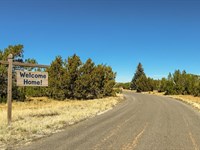
- Access on Two Road Frontages: The lot tapers in a way that gives you frontage on Sauder Road plus a second dirt road, creating flexible access and multiple possible building sites. County maintains Sauder well enough for year-round access, and you can drive a regular car or truck out here without drama most of the time. Winter might mean you want four-wheel drive or at least good tires after a fresh snow, but the roads get graded and the sun melts things off pretty quick at this elevation. Having two road accesses also means you can position a home or cabin to catch the best views, tuck into a natural windbreak, or set up outbuildings without boxing yourself in.
- The Bigger Valley Context: Understand where you are in the larger geography and it all makes more sense. The San Luis Valley is massive - 8,000 square miles of high-altitude desert ringed by mountains. You're on the eastern edge where the valley floor starts its climb into the Sangre de Cristos. To your west, the valley stretches fifty miles across to the San Juan Mountains. North leads toward Great Sand Dunes and Alamosa. South drops down into New Mexico toward Taos. This position on the eastern side means you get the morning sun first, you're closer to the mountains for hiking and hunting, and you're right on the main east-west highway corridor that connects the valley to the rest of Colorado.
---
Wildlife And Hunting
- Elk Country from Your Front Door: The Trinchera elk herd doesn't stay up in the mountains year-round - these animals move through the entire eastern valley depending on weather, food availability, and hunting pressure. During September's archery season, you can hear bulls bugling from your property as they work the cows through the foothills. By rifle season in late October and November, the pressure on public land often pushes herds down onto private valley parcels where they find sanctuary. Having your own land in elk country means you can scout during summer, pattern the herds through early fall, and be in position when archery season opens in September. You won't have the exclusive hunting access that comes with the Sangre de Cristo Ranches greenbelt area - that's reserved for landowners within that specific subdivision section - but public land access within a fifteen-minute drive gives you legitimate elk opportunities if you're willing to hike past the road hunters.
- Mule Deer Throughout the Transition Zone: Mule deer thrive in the mix of sagebrush, pinyon-juniper, and open parks that characterizes this eastern valley slope. You'll see does and fawns browsing near your property line during summer evenings, and the bucks tend to stay higher in the foothills during daylight before dropping down to feed overnight. Colorado's mule deer management in this unit runs on limited licenses to keep quality high, which means you might not draw a tag every year, but when you do draw you're hunting mature deer with legitimate trophy potential. The elevation gradient from valley floor to high peaks lets deer move vertically with the seasons, and positioning yourself along those migration routes during fall can put you into some excellent hunting.
- Watching the Wild Horse Herds: Wild Horse Mesa sits southwest of your property near Sanchez Reservoir, and the free-roaming mustang band that lives there represents one of Colorado's more unusual wildlife populations. These horses descend from Spanish colonial stock and agency mounts that went feral over the centuries, and they've adapted to this high-desert environment with minimal human intervention. You can drive out to the mesa roads and spend an afternoon glassing for the herd - sometimes you'll find them near water sources, other times scattered across the sagebrush flats. They're wary enough that you won't walk up on them, but watching them move across open country gives you a window into what this landscape looked like when horses were the primary transportation and vast distances meant something different than they do now.
- Pronghorn Speed Across the Valley Floor: The valley's western and southern sections hold pronghorn antelope populations, and these animals cover ground like nothing else on the continent. When spooked, a pronghorn can hit sixty miles per hour and maintain thirty-five or forty for miles, using their incredible vision to spot threats from distances that seem impossible. Hunting them requires a different mindset than elk or deer - you're working across open country, using terrain folds and draws to close distance, and hoping the wind stays in your favor. The season usually runs in early fall, and while pronghorn numbers in this immediate area aren't as dense as you'd find further west in the valley, there's enough population to make it interesting if you draw a license.
- Mountain Lions in the High Country: You probably won't see a mountain lion during your time on this property, but they're here, working the deer populations and moving through the foothills on routes they've followed for generations. Occasionally you'll find tracks in snow or mud, or maybe a deer kill that shows the characteristic feeding pattern. Lions hunt at dawn and dusk mostly, covering enormous territories and rarely staying in one area long. Colorado manages lion hunting through limited quotas and requires hunters to work with licensed hounds, which makes it a specialized pursuit rather than something you'll casually attempt. But knowing they're part of the ecosystem adds a certain edge to hiking the backcountry alone or hearing something move through the brush when you're field-dressing an elk.
- Black Bears in the Oak Brush and Aspen: Black bears range through the foothills here, especially during late summer and fall when they're packing on weight before denning. They'll work the Gambel oak thickets for acorns, raid any fruit trees or gardens that aren't protected, and occasionally come down into the valley following creek drainages. Colorado's bear hunting seasons run during spring and fall, giving you two windows to pursue them if you're interested. Most successful hunters either use hounds or spend serious time scouting spring feeding areas where bears are hitting fresh vegetation after denning. If you're living on the property full-time, basic bear awareness means securing trash, not leaving pet food outside, and understanding that seeing a bear is more common than most newcomers expect.
- Coyote Songs and Predator Calling: Coyotes are everywhere here, and their evening howling sessions provide one of the valley's signature soundtracks. You'll hear them most often around dusk, with one or two starting up and then the whole local family group joining in until you can't tell if there's five or fifteen of them. Coyote hunting runs year-round with no bag limit, making it ideal for learning predator calling techniques or just keeping populations in check around livestock or pet areas. Set up with a predator call during winter when pelts are prime, find a good vantage point overlooking likely approach routes, and you can call coyotes into rifle or shotgun range within minutes if you're doing it right. Foxes show up occasionally too, though they're more elusive and less vocal than their larger cousins.
- Bird Life from Raptors to Wild Turkeys: The skies here belong to hawks, eagles, and falcons that work the valley searching for rabbits, prairie dogs, and smaller birds. Golden eagles are year-round residents, often visible soaring on thermals during midday or perched in lone cottonwoods scanning for prey. Bald eagles move through during winter, following the Rio Grande corridor where open water provides fishing opportunities. Turkey populations have expanded throughout the foothills in recent decades, giving you spring gobbler hunting opportunities within walking distance of home. Sandhill cranes migrate through the valley twice yearly in massive flocks - tens of thousands of birds - creating a spectacle that draws wildlife watchers from across the region each spring.
---
Building And Development Options
- Understanding the Sangre de Cristo Ranches Covenants: Before you start planning your build, understand that this subdivision operates under protective covenants established when Forbes Trinchera Ranch originally platted and sold these lots. These covenants still apply to every parcel, running with the land regardless of how many times it's changed hands. The rules exist to maintain property values and prevent nuisance uses, but they're more restrictive than general county zoning in some important ways. You'll need to factor these covenant requirements into your planning alongside whatever the county requires, and in cases where the covenants and zoning conflict, the covenant restrictions take precedence because they're private agreements that bind all landowners.
- Minimum Home Size Requirements from Covenants: The covenants specify that any main residential structure must provide at least 600 square feet of habitable floor space if it's a one-story home, or 800 square feet minimum for a two-story dwelling. That measurement excludes basements, porches, and garages - it's strictly the heated living area. So while county zoning allows 600 square feet minimum for any home, the covenant bumps that to 800 if you're building two stories. A small cabin or manufactured home works fine as long as it meets the size threshold, but you can't put up a 400-Square-Foot tiny house and call it good. The covenants also prohibit temporary structures or previously used buildings except during active construction, meaning you can't drag in an old shed or mobile home and leave it sitting there permanently.
- Setback and Placement Rules: The covenants require 30-foot setbacks from any street or road frontage, and 25-foot setbacks from your other property lines. That gives your neighbors breathing room and ensures homes don't crowd right up against each other despite the rural setting. For a 5.81-Acre parcel with two road frontages like yours, you've still got plenty of room to work with, but you'll need to measure carefully when siting your home. Eaves, steps, and open porches count as part of the building for setback purposes, so factor those in from the start rather than discovering problems during construction. Most people find these setbacks actually help with positioning - they force you to pull back from the road noise and dust, usually resulting in a better home site anyway.
- Construction Timeline Requirements: Once you start building anything - home, garage, fence, or outbuilding - the covenants require completion within one year. That's reasonable for most builds, but it means you can't start a foundation and then let it sit for three years while you save money for the next phase. The timeline can be extended "under unusual circumstances" with written approval, so if you run into legitimate delays like weather problems or supply chain issues, there's flexibility. But the basic expectation is that construction proceeds steadily once started. This prevents neighborhoods from filling up with half-finished projects that drag down property values and create eyesores.
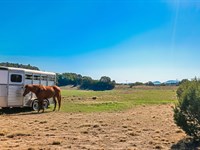
- Livestock and Animal Restrictions: Here's where the covenants get more restrictive than county zoning. While Estate Residential zoning generally allows livestock in reasonable numbers, the Sangre de Cristo Ranches covenants limit you to ordinary household pets unless you get written permission for other animals. Want to keep horses, a couple of cows, chickens, or goats? You'll need approval from the declarant. This is different from subdivisions like San Luis Valley Ranches or Rio Grande Ranches where small-scale livestock is typically allowed without special permission. It's worth understanding this limitation upfront if your vision includes animals beyond dogs and cats. Some landowners have successfully obtained permission for horses or small livestock operations, but it's not automatic.
- Septic System Standards and Approval: The covenants require that any sewage disposal system must be approved by Colorado health agencies, Costilla County authorities, and the subdivision declarant. That's basically the same approval process you'd go through anyway for a county septic permit, but it reinforces that you can't cut corners on wastewater treatment. For this property, you'll need to have a percolation test done to verify the soil drainage characteristics, then design a system that meets state and county codes. Standard septic systems work fine in most of the subdivision given the sandy loam soils, and installation typically runs $5,000 to $8,000 for a conventional system. The double-layer approval requirement exists to prevent environmental problems that could affect neighboring properties and water quality.
- Building Materials and Exterior Finish: Any structure built from wood, stucco, cement, or metal must be painted or stained on the exterior, or have color mixed into the final coat. This prevents raw unpainted wood from weathering gray or metal from rusting, maintaining a cleaner appearance throughout the subdivision. It's not particularly burdensome - most people paint or stain their homes anyway - but it does mean you can't leave pressure-treated lumber or metal siding in its natural state. The intent is to ensure finished-looking structures rather than a collection of weathered buildings that look temporary or abandoned.
- No Commercial Use Restriction: The covenants restrict land use to residential purposes only, prohibiting commercial or business operations and any "noxious or offensive activity." That means you can't open a business that brings commercial traffic to the property, run a junkyard, or conduct industrial operations. Home-based businesses where you work remotely or create products for sale elsewhere are generally fine since they don't create nuisance impacts, but operating a retail store, auto repair shop, or kennels would violate the covenants. This restriction exists to preserve the residential character and prevent activities that might impact neighbors through noise, traffic, or other disturbances.
---
Off-Grid Living Potential
- Solar Power at High Altitude: This elevation and latitude combination creates near-ideal conditions for solar energy generation. The sun's intensity increases with altitude, and the thin atmosphere at 8,000 feet means less filtering of solar radiation before it reaches your panels. Combine that with over 320 sunny days annually and you've got reliable power generation year-round, not just during peak summer months. A properly sized system - typically 3 to 5 kilowatts for a modest cabin or home - paired with battery storage can handle all your electrical needs from lighting and appliances to well pumps and power tools. Winter production drops somewhat due to shorter days and lower sun angles, but snow actually boosts panel efficiency when it reflects additional light onto the array. Most off-grid residents here install their panels on ground mounts or shop roofs rather than dwelling roofs, making maintenance and snow removal easier while allowing optimal south-facing angles.
- Well Water Independence: Drilling a domestic well on your property gives you water independence without monthly utility bills or reliance on municipal systems that could face restrictions during drought. Wells here typically reach productive water between 100 and 200 feet, tapping into the San Luis Valley aquifer that's recharged annually by mountain snowmelt. The water generally comes out cold and clean, often testing low in minerals and contaminants that would require extensive treatment. A submersible pump powered by your solar system or generator lifts water to a pressure tank, creating the same on-demand flow you'd get from city water. Well drilling represents your largest single infrastructure investment - figure $3,500 to $7,000 depending on depth - but once installed you're looking at minimal operating costs beyond occasional pump maintenance and the electricity to run it.
- Propane for Backup and Heating: Most off-grid homeowners here supplement solar electricity with propane for heating, cooking, and backup power generation. A 500 or 1,000-Gallon propane tank installed on your property provides fuel security for months or even a year between deliveries, and propane companies service this area regularly. Propane heating is efficient and reliable, whether you're running a forced-air furnace, radiant floor system, or simple wall heaters. Many people also use propane for cooking ranges, water heaters, and backup generators that kick in during extended cloudy periods when solar production drops. The combination of solar electricity and propane for thermal needs gives you true energy independence without the complexity of trying to heat with electricity alone in Colorado winters.
- Septic Systems and Waste Management: Your wastewater treatment happens on-site through a conventional septic system, which fits the off-grid approach by eliminating sewer bills and giving you control over your waste stream. The sandy loam soil here drains well, making it suitable for standard septic leach fields without requiring expensive engineered systems. Installation costs typically run $5,000 to $8,000 for a properly sized system that meets state and county health codes plus the subdivision covenant requirements. Once installed, septic systems require minimal maintenance - pumping the tank every three to five years depending on household size and usage, and avoiding flushing materials that interfere with bacterial breakdown. Some homeowners explore composting toilets or other alternative systems to reduce water usage and simplify waste management, though you'll need county approval for any non-standard approach.
- Communication and Internet Options: Staying connected from a rural property used to mean accepting isolation, but modern satellite internet has changed that equation completely. Starlink service provides high-speed broadband with speeds comparable to urban cable internet, requiring just a clear view of the northern sky and monthly subscription fees. This makes remote work viable, allows streaming entertainment, and keeps you connected to family and information regardless of how far you are from traditional infrastructure. Cellular service strength varies by carrier in this area, but most providers offer at least basic coverage along the highway corridor. A cell phone signal booster can extend that coverage to your property if you're in a marginal area, giving you reliable voice and data service. For true emergencies when all else fails, a satellite phone provides backup communication that works anywhere.
- Rainwater Harvesting and Storage: Colorado law now allows residential rainwater collection, opening another option for supplementing your water supply. While the high-desert climate means you won't collect huge volumes, a properly designed roof catchment system can capture several hundred gallons during summer monsoon season. That water works well for gardens, livestock watering, or household use if properly filtered and treated. Many off-grid homeowners install large storage tanks - 1,500 to 5,000 gallons - that can be filled through rainwater collection, snowmelt capture, or periodic water hauling until a well gets drilled. Having substantial water storage provides security during pump failures or drought, and gives you time to address problems without immediate crisis.
- Living Without Monthly Utility Bills: Once your off-grid systems are installed and paid for, your monthly expenses drop dramatically compared to conventional living. No electric bill, no water bill, no sewer bill - just occasional propane deliveries, annual property taxes under $100, and whatever you choose to spend on internet service. That financial freedom lets you live on significantly less income than city dwelling requires, making early retirement feasible or allowing you to pursue work you're passionate about rather than whatever pays the most. The tradeoff is taking responsibility for maintaining your own systems, but most people find that empowering rather than burdensome. When something breaks, you fix it on your own schedule rather than waiting for a utility company to respond.
- Building Material and System Durability: The high desert climate here actually works in your favor for off-grid infrastructure longevity. Low humidity means metal components resist corrosion, wood structures don't rot, and concrete cures properly without moisture-related problems. Solar panels maintain efficiency longer in the clean air without pollution buildup, and battery systems operate within optimal temperature ranges in well-designed installations. The main environmental challenge is UV degradation from intense high-altitude sun, which means using UV-resistant materials for anything exposed outside and planning for replacement of items like plastic water lines or vinyl components on a reasonable schedule. Overall, off-grid systems here tend to last longer and require less maintenance than they would in harsh coastal environments or areas with extreme temperature swings.
---
Investment And Market Analysis
- Entry Price Reality Check: At the current offering price, you're looking at land costs that pencil out to roughly one-tenth what you'd pay for comparable acreage in popular Colorado mountain counties. Summit County recreational land sells for $50,000 per acre and up. Park County parcels near mountain recreation run $25,000 to $40,000 per acre. Even in less fashionable areas like Fremont County, five-acre parcels with mountain views typically command $30,000 to $60,000. This Sangre de Cristo Ranches property offers similar elevation, better views of higher peaks, and easier access to national parks and wilderness areas at a fraction of those prices. The value gap exists partly because Costilla County stayed under the radar while other areas became discovered, and partly because the subdivision covenants create some limitations that reduce appeal to certain buyers. But for investors who understand the area, that gap represents opportunity.
- Owner Financing Advantage: The availability of owner financing with minimal down payment opens this investment to buyers who wouldn't qualify for traditional bank loans or who prefer to preserve capital for other uses. The terms offered - $599 total down payment including closing costs, then $197 monthly for 84 months - let you control the property while building equity gradually. That monthly payment runs less than most people spend on streaming services and takeout coffee, making it accessible even on modest incomes. From an investment standpoint, you're locking in today's price while paying over time in dollars that inflation makes increasingly less valuable. Even if land values simply hold steady, you're building equity. If appreciation matches regional trends, you could see significant gains by the time the property is paid off.
- Colorado Population Pressure: The state continues adding roughly 1,000 new residents monthly according to recent demographic data, and those people need places to live. The Front Range urban corridor from Fort Collins through Denver to Colorado Springs and Pueblo has absorbed most growth historically, but housing costs in those areas have pushed increasingly into ranges that working families can't afford. That pressure creates ripple effects, with people looking at secondary markets further from the metro sprawl. The San Luis Valley offers the combination of affordability, outdoor recreation access, and genuine mountain living that appeals to refugees from urban crowding. As that discovery process continues, properties closest to existing infrastructure and recreation amenities - like this parcel near Fort Garland with easy Great Sand Dunes access - stand to benefit first.
- Recreation Economy Growth: Colorado's outdoor recreation industry continues expanding, driving tourism dollars and creating demand for vacation properties, short-term rentals, and second homes near adventure destinations. Great Sand Dunes National Park draws over 400,000 visitors annually, with most passing directly through this area on Us-160. The Sangre de Cristo Wilderness attracts serious hikers and backpackers who appreciate less crowded conditions than they'd find near Denver. Hunting opportunities in GMU 83 bring sportsmen from across the country during fall seasons. Each of these visitor streams represents potential rental income if you develop the property with a cabin or glamping setup and market it through Airbnb or Vrbo. Even modest nightly rates can generate significant annual revenue during peak seasons, potentially covering your property costs while you're not using it.
- Remote Work Demographic Shift: The pandemic accelerated acceptance of remote work arrangements that persisted even after restrictions lifted. Many professionals now have the option to work from anywhere with reliable internet, freeing them from geographic ties to expensive urban areas. A software developer, graphic designer, writer, or consultant can live in Costilla County and work for companies anywhere in the country, trading high city costs and congestion for mountain views and space. This demographic - typically younger than traditional retirees, with decent incomes but seeking lifestyle over status - represents emerging demand for rural properties that offer both isolation and connectivity. Your property's combination of off-grid potential and modern internet access through Starlink positions it well for this market.
- Low Holding Costs Enable Patience: With annual property taxes under $90 and no HOA fees or maintenance requirements for vacant land, you can hold this property indefinitely without bleeding money while waiting for the right moment to sell or develop. That patience is crucial for successful land investing - you're not forced to dump the property during a market downturn, and you can wait for conditions that favor sellers. The low carrying costs also make this viable as a multigenerational legacy purchase, where you buy now for your children or grandchildren to eventually develop. Many investors in this area acquired parcels decades ago for a few thousand dollars that are now worth five or ten times the purchase price simply by holding through Colorado's growth cycles.
- Development Upside Potential: Raw land at the current asking price represents the lowest-value state of the property. Any improvements you make - drilling a well, installing a septic system, building a cabin or home - add value that typically exceeds the cost of improvements when it comes time to sell. A parcel with a well and septic already in place might command $15,000 to $25,000 more than raw land, even though the infrastructure cost you perhaps $12,000 to $15,000 to install. Add a small finished cabin and you've created a turnkey retreat property worth significantly more than the sum of land plus construction costs. For investors willing to develop rather than just hold, there's substantial value creation opportunity here.
- Market Timing Considerations: Colorado land values historically move in long cycles rather than the sharp spikes and crashes you see in residential housing markets. The trend line points gradually upward over decades, with periods of faster growth during economic expansions and flatter periods during recessions. We're currently in a phase where rural Colorado land is gaining recognition after being overlooked for years, with buyers discovering areas like the San Luis Valley that offer Colorado mountain living at accessible prices. Whether that discovery translates to rapid appreciation or just steady growth depends on factors beyond any single property - infrastructure improvements, regional economic development, climate migration patterns, and shifts in American living preferences. What's clear is that Colorado mountain land has historically preserved wealth over time, and current entry prices in Costilla County remain low enough that downside risk is limited.
---
Community And Services
- Fort Garland - Your Nearby Supply Hub: Five minutes north puts you in Fort Garland, which covers the basics for rural living. The town's got a gas station where you'll stop regularly for fuel and the occasional snack, a small grocery store that doubles as a hardware supplier for fence staples and hand tools, and a couple of local restaurants serving breakfast and New Mexican-style food. The Fort Garland Museum draws enough tourists to support these businesses year-round, and the location on Us-160 means through-traffic keeps things viable. You won't find a Walmart here, but for eggs, milk, canned goods, and emergency supplies when you don't want to drive to Alamosa, it works fine. The museum itself is worth visiting at least once to understand the area's military history and see the restored frontier fort buildings.
- Alamosa for Full Services: When you need serious shopping, medical care, or specialized services, Alamosa sits forty-five minutes northwest. The town functions as the San Luis Valley's commercial center, offering a Walmart Supercenter, Home Depot, Safeway, and all the chain stores you'd expect in a small city. The San Luis Valley Regional Medical Center provides full emergency room service, surgical capabilities, and specialist care that would otherwise require driving to Colorado Springs or Denver. For building projects, Alamosa's where you'll source materials, rent equipment, and find contractors familiar with off-grid construction. The town also hosts Adams State University, which brings cultural events, sporting events, and a younger demographic that supports coffee shops and restaurants beyond the typical small-town offerings.
- San Luis Cultural Heritage: Thirty minutes southwest takes you to San Luis, Colorado's oldest continuously inhabited town and the cultural heart of the region's Hispanic heritage. The town maintains traditions dating to its 1851 founding, including religious observances, traditional food preparation, and agricultural practices brought north from New Mexico. The Stations of the Cross shrine on the mesa above town attracts thousands of pilgrims annually, especially during Holy Week. Local restaurants serve authentic Northern New Mexican cuisine - red and green chile, sopapillas, posole - prepared according to family recipes passed down through generations. If you're interested in the area's deeper history beyond tourist attractions, San Luis offers genuine cultural immersion rather than sanitized heritage performances.
- Emergency Services Coverage: Costilla County Sheriff's Office patrols the area from their headquarters in San Luis, with response times varying based on deputy locations and weather conditions but typically running fifteen to thirty minutes for non-emergency calls. Fire protection comes from volunteer departments in Fort Garland and San Luis, staffed by local residents who carry pagers and respond when needed. For medical emergencies, ambulance service coordinates through county dispatch, with transport to SLV Regional Medical Center in Alamosa or, in severe cases, helicopter evacuation to Denver trauma centers. The reality of rural emergency services is that response takes longer than in urban areas, making personal preparedness and neighbor networks important for handling immediate problems before professional help arrives.
---
Seasonal Activities And Conclusion
- Spring Mountain Awakening: Late April through June brings the valley back to life after winter dormancy. Snowmelt feeds seasonal creeks and wetlands, creating temporary water features where waterfowl gather during migration. The aspen groves on nearby mountain slopes leaf out in that distinctive light green that marks new growth, and wildflowers begin appearing on south-facing slopes at lower elevations. Turkey hunting opens in April, with gobblers active during morning and evening as they establish territories and court hens. This is prime time for scouting elk summer range before the herds push higher into the mountains, and it's the season when construction projects become viable again after winter's cold halts concrete work and makes outdoor labor miserable. The wind picks up during spring afternoons as temperature differentials between snow-covered peaks and warming valley create air circulation, but mornings stay calm enough for comfortable outdoor work.
- Summer High Country Adventures: June through August offers unlimited outdoor possibilities with long daylight hours and warm temperatures that never quite reach uncomfortable levels at this elevation. The high country opens up as snowpack melts from all but the highest peaks, making alpine lake fishing accessible and opening trails that stay buried under snow nine months of the year. Great Sand Dunes sees peak visitation during these months, particularly when Medano Creek flows strong in late May and early June. Mountain Home Reservoir fishing picks up as water temperatures warm and trout become more active. Evening thunderstorms provide drama and occasionally soak gardens that appreciate the moisture, but most days stay sunny from dawn to dusk. This is when most building projects happen, when RV campers occupy their parcels, and when the valley feels most alive with seasonal residents and tourists.
- Fall Hunting and Color Season: September marks the transition into fall, with archery elk season opening early in the month as bulls begin bugling and gathering cows for the rut. The sound of a bull elk bugling echoes across foothills and valley in the pre-dawn darkness rates among Colorado's signature wildlife experiences. Aspen groves turn gold starting at higher elevations in late September, with peak color typically hitting the accessible foothills during the first two weeks of October. Rifle elk seasons and deer seasons overlap through October and November, bringing hunters from across the country to pursue GMU 83's healthy game populations. Days stay mild - often reaching the 60s - while nights drop below freezing, creating perfect conditions for outdoor activity without summer's afternoon heat or winter's deep cold. This is many residents' favorite season for the combination of comfortable weather, spectacular scenery, and hunting opportunities.
- Winter Solitude and Stargazing: December through March transforms the landscape into a high-altitude desert winter that's less harsh than newcomers expect. Snow falls regularly but rarely accumulates to depths that make the property inaccessible - a few inches here, half a foot there, with sunny days in between that melt and sublimate the snowpack. The thin, dry air creates exceptional stargazing conditions, with the Milky Way stretched across cold winter skies and meteor showers producing dozens of visible streaks per hour during peak events. Winter is quiet season when seasonal residents head south and tourists disappear, leaving locals to enjoy the valley without crowds. Ice fishing becomes viable on frozen reservoirs, and wildlife concentrates at lower elevations where food is accessible, creating excellent viewing opportunities. For those comfortable with solitude, winter here offers a stark beauty that summer visitors never experience.
- Your Gateway to Mountain Independence: This 5.81-Acre parcel near Fort Garland represents more than just land ownership - it's your entry point to a lifestyle that prioritizes freedom over convenience, space over amenities, and self-reliance over dependence on systems beyond your control. The subdivision covenants ensure your neighbors maintain basic standards while the absence of an HOA prevents bureaucratic overreach into how you use your property. The location gives you genuine mountain views and access to wilderness recreation while keeping you close enough to town for practical necessities. Owner financing makes acquisition accessible regardless of traditional lending criteria, and the low property taxes mean holding costs won't force premature decisions. Whether you're planning a retirement retreat, a weekend escape from city pressures, or a full-time homestead where you can build the life you've envisioned, this property provides the foundation.
- Making It Yours: The path from vacant land to functioning homestead is straightforward here. Start by camping on the property during allowed periods to understand the land through different seasons. Drill your well and install septic to establish infrastructure. Build within covenant and county requirements, taking advantage of the minimum 600-Square-Foot threshold if you want to start small. Install solar power for electricity independence. Plant gardens and trees that will mature while you're developing the property. Each improvement adds value and capability, moving you closer to complete self-sufficiency on land you own outright. The opportunity exists right now to secure this property at current pricing before market recognition catches up to the value proposition. Five acres of Colorado mountain country with Blanca Peak views, Great Sand Dunes access, and legitimate elk hunting opportunities - all available through owner financing that makes acquisition simple and affordable. The question isn't whether this represents solid value. The question is whether you're ready to claim your piece of Colorado's high country and start building the independent life that's been calling you.
The details provided in this property listing are believed to be reliable but are not warranted. Prospective buyers should perform their own research and verification of all information before making purchase decisions.
Land Maps & Attachments
Directions to Land
From downtown Fort Garland, head south, then turn right onto 5th Ave.
Turn left onto Pfeiffer Ave, then turn left onto US-160 E (4th Ave).
Continue on US-160 E for 2.0 miles.
Turn right onto Trinchera Ranch Rd N and follow for 0.1 miles.
Turn left onto Sauder Rd and continue for 1.0 mile to the property (destination will be on the right).
More Land Details
Land Price History
More Land from Jon and Valari Burnett
 0.5 AC : $10.5K
- 1.2 AC : $11.5K
- New5.1 AC : $16.9K
- 5 AC : $7.9K
- 0.3 AC : $8.9K
- 2.6 AC : $6.9K
- 2.5 AC : $8.9K
- 7.1 AC : $18.9K
- New0.2 AC : $13.5K
- 4.7 AC : $14.9K
- 0.6 AC : $13.5K
- 1.3 AC : $6.9K