Colorado 5 Acres, No HOA Freedom
555 Made Up Rd : San Luis, CO 81152
Costilla County, Colorado
Land Description
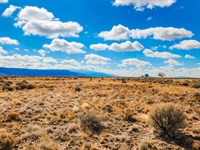
Picture yourself on five acres of Colorado land where the air is clean and the views stretch for miles. This property in Rio Grande Ranches sits in southern Colorado's high country, where the Rio Grande cuts through valley floors and the Sangre de Cristo Mountains rise to the east. You're far enough from the noise to find real peace, but close enough to the river to make this place work for you.
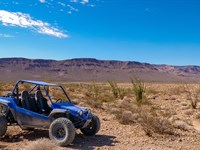
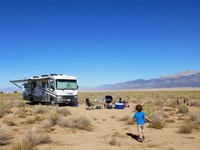
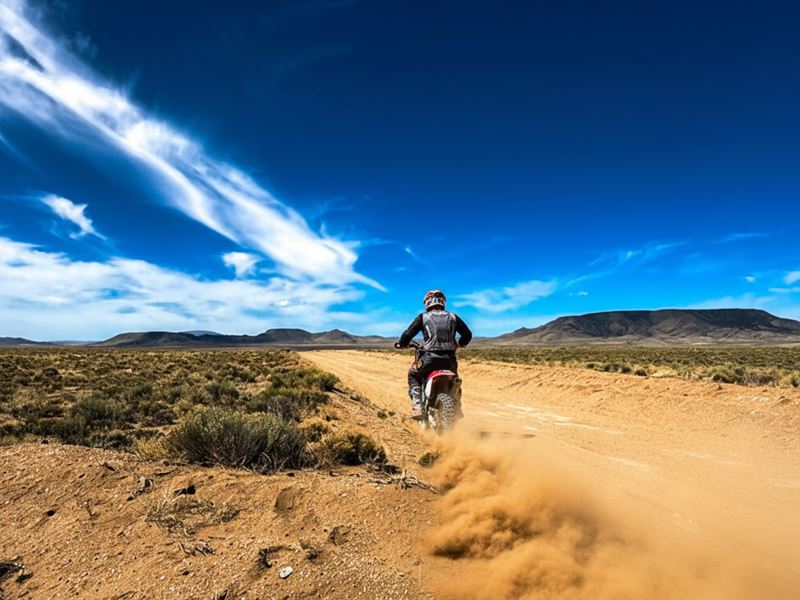
The land here is made for people who want to use it. Bring your RV and set up camp under star-filled skies that city dwellers forget exist. Spend your days hiking the surrounding terrain, exploring the Rio Grande corridor, or just watching weather systems roll across the valley. This is country where you can hunt, fish, and ride without asking permission. The property gives you room to spread out and do things your way.
Five acres means you have options. Build your dream cabin when you're ready, or start with weekend camping trips while you plan your next move. The land is yours to shape. Whether you're looking for a weekend escape or a place to eventually call home, this property gives you the space and freedom to make it happen. Stop thinking about it and start living it.
We are open to owner financing as well - here is what that would look like:
- Total Money Down: $599 ($349 downpayment + $250 closing cost)
- Monthly: $164/Month for 60 months
Property Details:
- Subdivision: Rio Grande Ranches
- State: Colorado
- County: Costilla
- Size: 5 acres
- Parcel: 71548410
- Legal Description: R.G.R. Unit 46 Blk 39 Lot 21 Cont. 5.00 Ac
- Approximate Coordinates: 37.1437, -105.698
- Annual Taxes: Approximately $74.40/Year
- Zoning: Estate Residential
- For a site built home, you need a 600 sqft minimum footprint
- Mobile homes are allowed
- You can camp for 14 days every 3 months
- Temporary RV Occupancy permit available for up to 180 days if a well has been permitted or cistern installed and a septic or onsite waste management system has been installed ($250 fee - good for 60 days at a time while building, renewable)
- Zoning office is open Monday through Thursday and can be contacted at to answer any questions
- HOA/Poa: No
- Improvements: None
- Access: Road 2.8
- Water: No, have to drill a well or haul in water
- Sewer: Septic can be installed
- Utilities: Power poles are more than 1 mile away
Information presented in this listing is deemed accurate but is not guaranteed. Buyers are advised to conduct their own due diligence and verify all details independently.
---
Location And Setting Overview
- Your Gateway to the San Luis Valley: This five-acre parcel sits in the heart of Rio Grande Ranches, one of Costilla County's most accessible subdivisions positioned in the western portion of North America's largest alpine valley. At roughly 7,600 feet elevation, you're perched high enough to escape the summer heat that plagues lower elevations while enjoying the wide-open spaces that define authentic Colorado living. The San Luis Valley stretches across 8,000 square miles of high desert terrain, larger than the state of Connecticut, and your property gives you a front-row seat to this remarkable landscape.
- Strategic Central Valley Position: Rio Grande Ranches occupies prime real estate in the central-western portion of Costilla County, placing you within easy striking distance of essential services while maintaining the privacy and solitude that draws people to this region. Alamosa (25 miles north) serves as your primary shopping and services hub, offering Walmart, Safeway, Home Depot, and the San Luis Valley Regional Medical Center. San Luis (18 miles southeast) provides closer access to basic supplies, fuel, and that famous green chile you'll quickly become addicted to. Fort Garland (15 miles east) sits at the junction of Highway 160 and offers additional convenience stops, restaurants, and the historic Fort Garland Museum.
- The Rio Grande Corridor: Your property's location in Rio Grande Ranches isn't just a name on a map. The legendary Rio Grande River flows through the western valley just miles from your land, creating a wildlife corridor and recreational artery that defines this region. This is the same river that Spanish explorers named "Big River" over four centuries ago, and it remains the lifeblood of the San Luis Valley today. The river corridor supports cottonwood galleries, wetland habitats, and some of the finest trout fishing in southern Colorado. Living near this waterway connects you to both the practical benefits of valley agriculture and the recreational opportunities that draw outdoor enthusiasts from across the country.
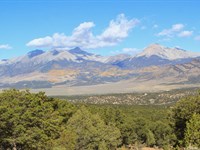
- Mountain Views That Never Get Old: From your five acres, the Sangre de Cristo Mountains dominate the eastern horizon like a wall of granite and snow. These peaks rise over 7,000 feet above the valley floor, creating one of the most dramatic mountain backdrops in the American West. Blanca Peak stands at 14,345 feet as Colorado's fourth-highest summit, anchoring your view with its massive presence. The Culebra Range extends southward toward New Mexico, while the Spanish Peaks occasionally appear on clear days to the northeast. West of your property, the San Juan Mountains create a distant but impressive secondary range. This 360-Degree mountain panorama means every season brings different colors, different light, and different reasons to step outside and just look.
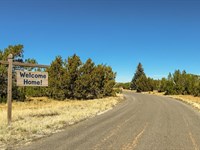
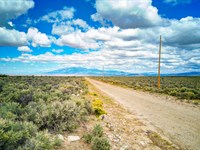
- Road Access and Infrastructure: Your property fronts Road 2.8, a county-maintained route that provides year-round access to your land. While you won't find paved streets out here, the county keeps these roads graded and passable for standard vehicles in good weather. A vehicle with decent clearance handles the occasional rough patch without issue, and four-wheel drive gives you confidence during spring mud season or after heavy snow. The road network connects you to Highway 142 and eventually Highway 160, putting Alamosa within a 35-minute drive and the Front Range cities within four hours. You're remote enough to feel like you've escaped, but connected enough that civilization remains accessible when you need it.
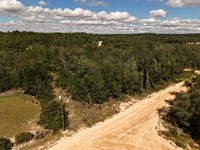
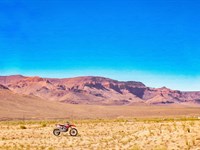
- The High Desert Landscape: This isn't the Colorado of ski resort postcards. Rio Grande Ranches sits in high desert country where sagebrush and native grasses cover the valley floor, pinyon and juniper dot the lower slopes, and the air carries that distinctive dry mountain scent that clears your head the moment you step out of your vehicle. The landscape has a stark beauty that grows on you, especially when afternoon thunderstorms build over the mountains or when winter snow transforms the valley into a pristine white canvas. The sparse vegetation means unobstructed views in every direction and the kind of privacy that simply doesn't exist in more populated areas.
- Climate You Can Actually Enjoy: With over 300 days of sunshine annually and humidity levels that rarely climb above comfortable, the San Luis Valley offers weather that makes outdoor living genuinely pleasant. Summer highs reach the mid-70s to low 80s, dropping into the 40s at night for perfect sleeping conditions. Winter brings cold temperatures and modest snowfall, but the intense high-altitude sun often melts accumulation within days. The semi-arid climate means you're not fighting mold, mildew, or the oppressive humidity that makes other regions miserable. This is four-season country where each time of year brings its own rewards.
---
Recreational Opportunities
- World-Class Fishing at Your Doorstep: The Rio Grande River corridor puts some of Colorado's finest trout fishing within easy reach of your property. Rainbow trout, brown trout, and the native Rio Grande cutthroat all swim these waters, with Gold Medal sections offering catch rates that justify the designation. Mountain Home Reservoir (30 miles north) provides 19,500 acre-feet of water regularly stocked with trout reaching trophy sizes of 14 to 20 inches. Sanchez Reservoir offers excellent fishing for northern pike, walleye, and catfish in addition to trout, giving you variety throughout the fishing season. Smaller streams like Costilla Creek hold native cutthroat populations in pristine mountain settings where you might not see another angler all day.
- Hunting Heritage Runs Deep: Costilla County sits within Game Management Unit 83, one of Colorado's most productive big game units with elk populations that draw hunters from across the country. The Trinchera elk herd roams this region with an estimated population approaching 16,000 animals, creating opportunities that hunters in other states only dream about. Mule deer thrive throughout the valley and foothills, with bucks reaching impressive sizes in this well-managed unit. Pronghorn antelope race across the sagebrush flats, offering challenging spot-and-stalk hunts for North America's fastest land animal. Your property puts you right in the middle of this hunting paradise, with public lands and private hunting opportunities surrounding you in every direction.
- Great Sand Dunes National Park: One of America's most unusual national parks sits just 45 minutes north of your property. The Great Sand Dunes rise 750 feet above the valley floor, creating the tallest dunes in North America against a backdrop of snow-capped peaks. Sandboarding down these massive slopes rivals any ski run for pure adrenaline, and the experience of watching sunset paint the dunes in shades of gold and crimson stays with you forever. During late spring, Medano Creek flows at the base of the dunes, creating a beach-like environment that seems impossible at 8,000 feet elevation. This world-class attraction draws visitors from around the globe, and you'll have it practically in your backyard.
- Endless Hiking and Backpacking: The Sangre de Cristo Wilderness encompasses 220,000 acres of pristine backcountry accessible from trailheads within an hour of your property. Over 50 alpine lakes dot this wilderness, connected by more than 100 miles of maintained trails that range from easy day hikes to multi-day backpacking adventures. The Rainbow Trail traverses nearly 100 miles along the Sangre de Cristo Range, offering segment hikes or epic through-hikes for ambitious trekkers. The Continental Divide Trail passes through the region, connecting local trails to the 3,100-Mile route from Mexico to Canada. You could spend a lifetime exploring the hiking opportunities within two hours of your land and never repeat the same trail twice.
- Peak Bagging Paradise: Ambitious hikers will appreciate the proximity to multiple fourteeners, Colorado's famous peaks exceeding 14,000 feet. Blanca Peak (14,345 feet) dominates the local skyline and offers routes ranging from challenging hikes to technical scrambles. Kit Carson Peak and Challenger Point provide connected climbing opportunities with stunning ridge walks between summits. Humboldt Peak offers a more moderate fourteener experience perfect for beginners building toward harder objectives. The Crestone group presents expert-level challenges for experienced mountaineers seeking serious terrain. These peaks see far fewer crowds than their Front Range counterparts, letting you enjoy summit views in relative solitude.
- Water Sports and River Adventures: The Rio Grande offers kayaking and rafting opportunities ranging from peaceful floats to more challenging whitewater sections depending on water levels and location. Several outfitters in the broader region provide guided trips and equipment rentals for those new to river running. The larger reservoirs permit motorboats and provide water skiing, wakeboarding, and general cruising for those who prefer powered watercraft. Even simple activities like swimming, paddleboarding, or floating on an inner tube become special experiences when surrounded by mountain scenery and crystalline high-altitude water.
- Winter Recreation Wonderland: Wolf Creek Ski Area sits roughly two hours southwest, receiving over 430 inches of snow annually and offering some of Colorado's deepest powder conditions. The resort's 1,600 skiable acres and 77 trails provide terrain for every skill level without the crowds and expense of Front Range resorts. Closer to home, cross-country skiing and snowshoeing transform the valley floor and mountain foothills into a winter playground. Ice fishing on local reservoirs produces trout through the coldest months when open-water fishing shuts down. Snowmobiling opens access to backcountry areas otherwise unreachable, with miles of trails connecting to national forest lands and remote scenic overlooks.
- Stargazing Like Nowhere Else: The San Luis Valley's minimal light pollution creates night skies rated Bortle Class 2-3, among the darkest in the continental United States. The Milky Way stretches overhead with an intensity that urban dwellers have never witnessed, while meteor showers produce dozens of visible streaks per hour during peak events. Astronomical features invisible under city lights reveal themselves here, from distant galaxies to the detailed structure of nebulae. Whether you're a serious amateur astronomer with telescope equipment or simply someone who appreciates lying on your back and contemplating the universe, these skies deliver an experience increasingly rare in modern America.
---
Wildlife And Hunting
- Elk Country at Its Finest: The Trinchera elk herd represents one of Colorado's largest and healthiest elk populations, with an estimated 16,000 animals roaming the mountains and valleys of Costilla County. During September and October, bull elk bugle across the landscape as the rut reaches its peak, filling the air with sounds that define the Rocky Mountain hunting experience. Herds of 100 or more animals move through the valley during seasonal migrations, creating wildlife viewing opportunities that rival any national park. Whether you're a hunter pursuing a trophy bull or simply an observer appreciating nature's spectacle, the elk population surrounding your property delivers unforgettable encounters.
- Mule Deer Abundance: Mule deer thrive throughout Rio Grande Ranches and the surrounding public lands, with healthy populations that support quality hunting and regular wildlife viewing. Bucks in GMU 83 reach impressive sizes, with four-point and larger animals harvested regularly by hunters who put in the effort to scout and understand deer patterns. Does and fawns browse the sagebrush and pinyon-juniper woodlands throughout the year, often visible from roads and property boundaries during early morning and evening hours. The combination of agricultural fields, native browse, and mountain habitat creates ideal conditions for deer that show in both population numbers and individual animal quality.
- Pronghorn Antelope on the Flats: The open sagebrush country surrounding Rio Grande Ranches provides perfect habitat for pronghorn antelope, North America's fastest land animal capable of speeds exceeding 55 miles per hour. Small herds dot the valley floor throughout the year, their tan and white markings distinctive against the gray-green sage. Hunting pronghorn requires patience and fieldcraft, as their exceptional eyesight detects movement at remarkable distances. Successfully stalking within rifle range of these wary animals ranks among hunting's greatest challenges, and the San Luis Valley offers some of Colorado's best pronghorn opportunities.
- Predators and Furbearers: Coyotes provide the evening soundtrack throughout the valley, their howls and yips echoing across the open country in choruses that epitomize the western experience. These adaptable predators offer year-round hunting opportunities with no bag limits, excellent for honing calling skills and staying sharp between big game seasons. Bobcats prowl the brushy draws and rocky outcrops, rarely seen but definitely present for those with patience and luck. Red foxes hunt the meadows and field edges, their russet coats striking against morning frost or evening snow. Mountain lions roam the foothills and mountains, their tracks occasionally appearing on backcountry trails though actual sightings remain rare.
- Upland Birds and Waterfowl: Wild turkeys have established strong populations in the riparian corridors and foothill brush, providing spring and fall hunting opportunities for these challenging game birds. Dusky grouse inhabit the higher elevation forests, flushing from aspen groves and spruce thickets to test wing-shooting skills. Mourning doves migrate through the valley in fall, gathering at water sources and agricultural fields in huntable numbers. The reservoirs and Rio Grande corridor attract waterfowl during migration, with ducks and geese using the valley as a staging area on their journey between breeding and wintering grounds. Sandhill cranes pass through in spectacular numbers, their prehistoric calls filling the sky as flocks of thousands move between northern nesting areas and southern wintering grounds.
- Raptors Rule the Skies: Golden eagles soar on thermal currents above the valley, their seven-foot wingspans casting shadows across the sagebrush as they hunt for rabbits and prairie dogs. Bald eagles concentrate along the Rio Grande corridor during winter, fishing for trout and scavenging when opportunity presents. Red-tailed hawks perch on fence posts and power poles throughout the valley, their distinctive screaming calls a constant presence. Prairie falcons nest on cliff faces and hunt the open flats with speed and precision. Great horned owls claim the cottonwood galleries along waterways, their deep hooting calls marking territory through the night. This concentration of raptors reflects the healthy prey populations and diverse habitats that make Costilla County such productive wildlife country.
- Small Game Opportunities: Cottontail rabbits thrive in the brushy areas throughout Rio Grande Ranches, providing excellent small game hunting and serving as the foundation of the local food chain. Jackrabbits bound across the open flats, their oversized ears and powerful hind legs adapted perfectly to the high desert environment. Prairie dog towns occupy portions of the valley, these social rodents creating elaborate burrow systems and providing endless entertainment for observers and target practice for shooters. Ground squirrels and rock squirrels populate the foothills, while various mouse and vole species support the predator populations that make this area such rich wildlife habitat.
- GMU 83 Hunting Success: Game Management Unit 83 consistently produces above-average success rates for elk and deer hunters willing to put in the work. The combination of public land access, healthy wildlife populations, and relatively low hunting pressure compared to Front Range units creates opportunities that dedicated hunters exploit year after year. Archery season in September allows hunters to call in rutting bulls during the most exciting time of year. Muzzleloader season bridges the gap between archery and rifle seasons, offering a primitive weapon experience with good success potential. Multiple rifle seasons from October through November provide options for different schedules and hunting styles. Draw odds for premium licenses vary by season and weapon type, but over-the-counter opportunities exist for those flexible about their hunting approach.
- Wildlife Viewing Year-Round: You don't need a hunting license to enjoy Costilla County's wildlife. Binoculars and patience reveal elk herds on distant hillsides, pronghorn racing across the flats, and raptors hunting overhead throughout the year. Spring brings returning songbirds and the first elk calves wobbling behind their mothers. Summer mornings offer the best deer viewing as animals feed in the cool hours before retreating to shade. Fall transforms the landscape with elk rut activity and migrating birds in spectacular numbers. Winter concentrates wildlife around food and water sources, sometimes bringing animals closer to roads and occupied areas. Every season delivers different wildlife experiences, and your property places you in the middle of one of Colorado's richest wildlife regions.
---
Building And Development Options
- Estate Residential Zoning Freedom: Your property carries Estate Residential (E-R) zoning, the classification that provides maximum flexibility for rural property owners in Costilla County. This zoning designation allows residential construction, agricultural activities, and accessory structures without the bureaucratic obstacles that strangle development in more regulated areas. You can build a traditional stick-frame home, install a manufactured home, construct a log cabin, or pursue alternative building methods like adobe or straw bale construction. The county's approach favors individual property rights and personal responsibility over excessive government interference, creating an environment where landowners can actually use their property as they see fit.
- Minimum Building Requirements: Costilla County requires permanent dwellings to contain at least 600 square feet of habitable floor space for single-story construction, or 800 square feet for two-story homes. These minimums accommodate everything from modest cabins to tiny homes while ensuring structures meet basic habitability standards. The measurements exclude basements, porches, and garages, focusing only on actual living space. This approach welcomes the growing tiny home movement while maintaining reasonable standards for permanent residences. If you're dreaming of a compact, efficient mountain retreat rather than a sprawling estate, Costilla County's requirements work in your favor.
- Manufactured and Mobile Homes Welcome: Unlike many rural subdivisions that prohibit manufactured housing, Rio Grande Ranches and Costilla County embrace this affordable building option. Manufactured homes built in 1976 or later, when HUD construction standards took effect, are permitted on E-R zoned parcels. The home must be placed on a permanent foundation and connected to approved water and septic systems, but the path to occupancy is straightforward. For buyers seeking a faster, more affordable route to mountain living, a quality manufactured home can have you enjoying your property in months rather than the years a custom build might require. This flexibility puts property ownership within reach for families who might otherwise be priced out of the Colorado dream.
- Camping and RV Privileges: Costilla County recognizes that people want to use their land immediately, not just someday when a house gets built. The county permits camping on your property for 14 days within any three-month period without any permit required. This means you can start enjoying weekend getaways, hunting camps, and family gatherings from the day you close on your purchase. For longer stays, a Temporary RV Occupancy permit allows up to 180 days annually once you've installed either a permitted well or cistern along with septic or approved waste management. The permit costs $250 and renews in 60-day increments, perfect for extended summer seasons or while you're building your permanent home.
- No HOA Restrictions: Rio Grande Ranches operates without a homeowners association, meaning no monthly dues, no architectural review committees, and no busybody neighbors citing you for parking your truck the wrong way. Your property, your rules, your freedom. You won't receive letters complaining about your fence style, your outbuilding placement, or the color you chose to paint your cabin. This absence of HOA control distinguishes Rio Grande Ranches from many subdivisions that burden property owners with regulations, fees, and restrictions that defeat the purpose of rural land ownership. When you buy here, you're buying genuine independence.
- Accessory Structures and Outbuildings: E-R zoning permits accessory structures including detached garages, workshops, barns, storage sheds, greenhouses, and agricultural buildings without the restrictions common in more urban settings. Many landowners build their garage or shop first, creating secure storage for tools and materials while they plan and construct their primary residence. Others start with a small barn for livestock or a greenhouse to extend the growing season. The county requires permits for structures over 120 square feet, but the process is straightforward and designed to facilitate rather than obstruct development. Your five acres provides plenty of room to create the homestead layout that works for your needs.
- Utilities and Off-Grid Options: This property sits more than a mile from existing power lines, making off-grid development the practical choice for most buyers. Solar power systems thrive in the San Luis Valley's 300+ days of annual sunshine, providing reliable electricity without monthly utility bills. Wind turbines supplement solar production during cloudy periods and overnight hours when the valley's steady breezes continue generating power. For water, you'll need to drill a well or install a cistern for hauled water. Average well depths in the area run around 150 feet at approximately $35 per foot for drilling. Alternatively, Alamosa's water department sells water for just $2.50 per 500 gallons, making cistern systems economically viable. Septic installation typically runs $5,000 to $8,000 depending on system type and soil conditions.
- Building Permit Process: Costilla County's Planning and Zoning office operates Monday through Thursday and can be reached at. The staff works with owner-builders and contractors alike, providing guidance rather than obstacles throughout the permitting process. You'll need a land use permit, building permit, septic permit, and well permit (from the state) before construction begins. Inspections occur at key stages including foundation, framing, electrical, plumbing, and final occupancy. The timeline from permit application to approval typically runs a few weeks for straightforward projects. Compared to the bureaucratic nightmares common in urban jurisdictions, building in Costilla County feels almost refreshingly simple.
---
Climate And Terrain
- High Desert Mountain Climate: Rio Grande Ranches sits at approximately 7,600 feet elevation in the heart of the San Luis Valley's high desert environment. This isn't the humid, forested Colorado of mountain resort advertisements. Instead, you'll find open sagebrush country with big skies, long views, and air so dry and clean it almost crackles. The semi-arid climate delivers roughly 10 to 12 inches of annual precipitation, enough to support native vegetation without the mud, mold, and moisture problems that plague wetter regions. Over 300 days of sunshine annually means you'll see blue skies more often than not, regardless of season.
- Summer Paradise: Summer months bring daytime temperatures in the mid-70s to low 80s, warm enough to enjoy outdoor activities without the oppressive heat that bakes lower elevations. Nights cool dramatically into the 40s and 50s, creating perfect sleeping conditions without air conditioning. The low humidity means shade actually provides relief, and afternoon thunderstorms that build over the mountains typically pass quickly, leaving behind cooler temperatures and spectacular rainbows. The summer monsoon pattern brings most of the area's moisture between July and August, greening up the landscape and filling stock tanks and small ponds across the valley.
- Winter Character: Winters are cold but manageable, with daytime highs typically in the 30s and overnight lows that can drop below zero during the coldest stretches. The valley floor receives modest snowfall, usually 30 to 50 inches spread across the season in multiple smaller events rather than massive single storms. The intense high-altitude sun often melts snow within days of falling, keeping accumulation manageable. The dry air makes cold temperatures more tolerable than equivalent readings in humid climates. Many residents find winter the most peaceful season, when the landscape lies quiet under snow and the night skies achieve maximum clarity.
- Spring and Fall Transitions: Spring arrives gradually with warming temperatures, melting mountain snow, and the first wildflowers pushing through thawing ground. March and April can still deliver late snowstorms, sometimes the heaviest of the year, but these melt quickly under increasingly powerful sunshine. By May, the valley greens up and planting season begins for those with gardens. Fall brings the most consistently pleasant weather, with September and October offering mild days, crisp nights, and golden cottonwoods along the waterways. Hunting season coincides with fall's best weather, making it prime time for both outdoor recreation and simply enjoying your property.
- Growing Season Considerations: The combination of high elevation and semi-arid climate creates a growing season of roughly 100 to 120 frost-free days, typically from late May through mid-September. Hard freezes can occur as late as early June and as early as late August in some years, requiring attention to planting schedules and frost protection. Successful gardeners in the valley often use greenhouses, cold frames, or row covers to extend the season and protect tender crops. Root vegetables, cool-season greens, and hardy crops like potatoes thrive in the conditions. The intense sunshine and minimal pest pressure can actually produce exceptional harvests for gardeners willing to work within the climate's parameters.
- Terrain and Topography: Your property features the gently rolling terrain characteristic of the valley floor, with modest slopes that provide drainage without creating building challenges. This isn't steep mountain land requiring extensive grading or engineered foundations. Instead, you'll find multiple potential building sites with natural drainage patterns that keep water moving away from structures. The open terrain provides unobstructed views in all directions while allowing flexible positioning of homes, outbuildings, and access roads. The native vegetation of sagebrush, rabbitbrush, and bunch grasses stabilizes soil while requiring no maintenance or irrigation.
- Soil and Foundation Conditions: The San Luis Valley's soils typically consist of sandy loam compositions that drain well and provide stable foundation support. These soil types work excellently for septic system leach fields, allowing proper percolation without the drainage problems associated with heavy clay soils. The well-drained character also means you're unlikely to encounter basement water issues or standing water problems after storms. Foundation work proceeds normally without the special engineering sometimes required in areas with expansive clays or unstable substrates. Buyers should still conduct appropriate soil testing before construction, but the general soil conditions in Rio Grande Ranches favor straightforward building practices.
- Weather Hazards and Preparedness: The San Luis Valley experiences relatively few severe weather events compared to many Colorado regions. Tornadoes are extremely rare due to the surrounding mountains and high elevation. Flash flooding occasionally affects narrow canyons and arroyos after intense thunderstorms but poses minimal risk to developed parcels on open terrain. Wildfire risk exists primarily in the pinyon-juniper woodlands and higher elevation forests rather than on the sparsely vegetated valley floor. Wind can blow strongly during spring storm systems, occasionally creating blowing dust conditions, but sustained extreme winds are uncommon. The valley's geography generally protects it from the worst weather that affects Colorado's Front Range and eastern plains.
- Solar and Wind Resources: The San Luis Valley possesses some of Colorado's strongest solar energy resources, with the state's highest per capita concentration of residential solar installations. Your property receives intense high-altitude sunshine that maximizes photovoltaic panel efficiency. The valley's steady breezes, typically averaging 10 to 12 mph, provide supplemental wind energy potential for those interested in hybrid renewable systems. This combination of solar and wind resources makes off-grid living not just possible but genuinely practical, allowing complete energy independence without sacrificing modern conveniences. Properties throughout the valley demonstrate that sustainable, comfortable off-grid living works in this environment.
---
Off-Grid Living Potential
- Energy Independence Through Solar Power: The San Luis Valley ranks among the premier solar energy regions in the entire United States, and your property sits squarely in this sunshine-rich environment. With over 300 days of annual sunshine and the thin, clear air of high altitude, solar panels here produce electricity at efficiencies that panels in cloudier regions simply cannot match. A properly sized solar array with battery storage can power a full-featured modern home including refrigeration, lighting, electronics, power tools, and all the conveniences you'd expect from grid-connected living. The difference is you own your power system outright and never receive another electric bill. Many off-grid homesteads in Costilla County have operated successfully for decades on solar power alone, proving this isn't experimental technology but a mature, reliable approach to energy independence.
- Wind Power Supplements Solar: The San Luis Valley's geography creates steady wind patterns that complement solar production, particularly during evening hours and cloudy periods when panels produce less. Small residential wind turbines mounted on appropriate towers can generate meaningful electricity to charge batteries when the sun isn't shining. The valley's average wind speeds of 10 to 12 mph provide consistent generation without the extreme gusts that damage equipment in other regions. A hybrid solar-wind system provides redundancy and more consistent power production throughout the year, reducing battery bank size requirements and increasing overall system reliability. For serious off-grid living, this combination approach represents the gold standard in renewable energy independence.
- Water Solutions That Work: Securing reliable water represents the most critical infrastructure decision for off-grid properties, and Rio Grande Ranches offers proven solutions. Drilling a domestic well typically reaches water at depths around 150 feet in this area, with drilling costs running approximately $35 per foot. A completed well provides essentially unlimited water for household use, garden irrigation, and livestock without ongoing costs beyond occasional pump maintenance. For those preferring a lower upfront investment, cistern systems work excellently in this climate. Alamosa's water department sells 500 gallons for just $2.50, making regular water hauling economically viable. A 1,500 to 2,500 gallon cistern provides weeks of household water between fill-ups, and the dry climate means water storage tanks face minimal algae or contamination issues compared to humid regions.
- Waste Management Without Municipal Systems: Septic systems have served rural properties for generations, and the sandy loam soils typical of Rio Grande Ranches provide excellent conditions for conventional septic installations. A standard septic system with tank and leach field costs between $5,000 and $8,000 installed, creating a permanent waste management solution requiring only periodic pumping every few years. The well-drained soils pass percolation tests without difficulty, avoiding the engineered or alternative systems sometimes required in areas with poor drainage. For those interested in composting toilet systems or other alternative approaches, Costilla County will work with property owners on approved designs that meet health standards while reducing water usage and environmental impact.
- Modern Connectivity in Remote Settings: Living off-grid no longer means living disconnected. Starlink satellite internet has revolutionized rural connectivity, providing broadband speeds exceeding 100 Mbps to properties far from any fiber optic or cable infrastructure. With a clear view of the northern sky, which your property provides, Starlink delivers streaming video, video conferencing, remote work capability, and all the connectivity modern life requires. Cellular coverage reaches most of the valley floor from towers along the highway corridors, providing phone service and backup internet via hotspot for most major carriers. The combination of satellite internet and cellular service means you can work remotely, stay connected with family, and access online services while enjoying the peace and privacy of your mountain property.
- The Freedom of Self-Reliance: Off-grid living delivers benefits beyond simple utility savings. When the power grid fails during storms, your lights stay on. When municipal water systems experience contamination or pressure problems, your well keeps pumping clean water. When utility rates climb year after year, your costs remain stable because you own your infrastructure outright. This resilience and independence increasingly attracts people who recognize the vulnerability of depending entirely on distant systems controlled by others. The initial investment in solar panels, batteries, wells, and septic systems pays dividends in both financial savings and peace of mind for decades. Your property becomes a genuine sanctuary, capable of sustaining comfortable living regardless of what happens in the wider world.
- Practical Off-Grid Living Experience: Thousands of families throughout Costilla County and the broader San Luis Valley demonstrate daily that off-grid living works. These aren't primitive conditions or constant struggles against nature. Modern off-grid homes feature hot showers, cold refrigerators, bright lighting, functional kitchens, comfortable heating, and all the amenities of conventional housing. The difference lies in ownership and independence rather than deprivation. Solar technology, battery storage, efficient appliances, and proven water systems have matured to the point where off-grid living represents a lifestyle choice rather than a hardship. Your property in Rio Grande Ranches provides the canvas for creating exactly the level of self-sufficiency and independence that matches your vision.
---
Investment And Market Analysis
- Colorado Land Values Continue Climbing: Colorado's population growth shows no signs of slowing, with the state adding thousands of new residents monthly as people flee overcrowded and overpriced coastal cities. This population pressure drives land values upward across the state, including in previously overlooked areas like the San Luis Valley. What was once considered too remote for serious consideration now attracts buyers priced out of Front Range markets where modest homes routinely exceed half a million dollars. The mathematical reality is simple: Colorado has limited land, growing population, and increasing demand. Properties purchased today at current prices stand to benefit from these demographic trends for years to come.
- Costilla County's Emerging Recognition: For decades, Costilla County remained one of Colorado's best-kept secrets, with land prices far below comparable acreage elsewhere in the state. That obscurity is fading as buyers discover the combination of affordable prices, stunning scenery, recreational access, and development-friendly regulations that distinguish this area. Sales volume has increased dramatically in recent years as word spreads through online land marketplaces, social media groups, and simple word of mouth among outdoor enthusiasts. Properties that languished on the market for months now attract multiple inquiries within weeks of listing. This shift from buyer's market toward seller's market suggests the window of ultra-affordable pricing may not remain open indefinitely.
- Remote Work Revolution Expands Possibilities: The permanent shift toward remote work arrangements has fundamentally changed where people can live while maintaining professional careers. Software developers, writers, consultants, designers, and countless other professionals now work from wherever reliable internet reaches. Starlink and other satellite internet services have eliminated the connectivity barrier that previously limited rural property appeal. A property that seemed impractical five years ago now works perfectly for remote professionals seeking escape from urban congestion, crime, and cost of living. This expanded buyer pool increases demand for rural properties with the combination of natural beauty, recreational access, and modern connectivity that your Rio Grande Ranches parcel provides.
- Low Holding Costs Favor Patient Investors: Annual property taxes of approximately $74 make holding this property essentially painless regardless of your development timeline. Unlike urban real estate where taxes, HOA fees, and maintenance costs pressure owners toward quick decisions, rural land in Costilla County allows patient investment strategies. You can hold the property for years while values appreciate, use it recreationally while planning eventual development, or build immediately if circumstances allow. This flexibility combined with minimal carrying costs creates an investment profile unavailable in higher-cost markets. Whether you're planning for retirement decades away or looking for immediate recreational use, the low ongoing costs work in your favor.
- Multiple Exit Strategies Available: Land investments succeed partly based on flexibility, and this property offers multiple paths to value realization. Sell the raw land as values appreciate and pocket the gain. Develop with a modest cabin or manufactured home and sell the improved property at a premium. Build your personal retreat and enjoy decades of use before eventually selling. Create a vacation rental property generating ongoing income while building equity. Lease for agricultural use while maintaining ownership and appreciation potential. Each approach works within Costilla County's regulatory framework, giving you options regardless of how your circumstances evolve over time.
- Generational Wealth Building: Land ownership represents one of the oldest and most proven methods of building family wealth across generations. Unlike financial assets subject to market volatility, corporate malfeasance, or inflation erosion, land provides tangible value that families can use, enjoy, and eventually pass to heirs. A property purchased today for modest cost could become a cherished family retreat for children and grandchildren, a valuable inheritance when eventually sold, or the foundation of a family compound where multiple generations gather. The San Luis Valley's enduring appeal, based on natural beauty and recreational opportunity rather than passing trends, suggests this land will retain value for generations regardless of economic cycles.
- Comparative Value Proposition: Consider what your investment buys in other markets versus what it purchases here. In Denver, your money might cover a few months of rent. In mountain resort towns, perhaps a parking space. In coastal cities, barely a down payment on a modest condo. Here, the same investment secures five acres of Colorado land with mountain views, recreational access, building rights, and genuine ownership. When you frame the purchase in these comparative terms, the value proposition becomes obvious. You're not just buying land; you're buying freedom, opportunity, and a stake in one of America's most desirable states at a fraction of what similar benefits cost elsewhere.
---
Community And Services
- Alamosa: Your Regional Hub: Twenty-five miles north of your property, Alamosa provides the full range of services expected from a regional commercial center. Walmart Supercenter and Safeway handle grocery and general merchandise needs. Home Depot stocks building materials for your construction projects. The San Luis Valley Regional Medical Center offers emergency services, surgical capabilities, and specialty care without the four-hour drive to Colorado Springs or Denver. Banks, auto dealers, restaurants, and professional services cluster in this city of approximately 10,000 residents. Adams State University adds educational opportunities and cultural events including concerts, theater, and athletic competitions. A 35-minute drive puts all these amenities within practical reach while your property remains blissfully remote.
- San Luis: Historic Heart of Costilla County: Eighteen miles southeast, San Luis serves as the county seat and provides closer access to basic necessities. The historic R&R Market has stocked shelves since 1857, offering groceries, hardware, and the local gossip that small-town stores have always provided. Gas stations, a post office, restaurants serving authentic New Mexican cuisine, and county government offices handle routine needs without the longer drive to Alamosa. The town's cultural attractions including the Stations of the Cross shrine and historic plaza make worthwhile destinations beyond simple errands. San Luis maintains the small-town character that corporate retail strips have destroyed elsewhere, providing a genuine community connection for valley residents.
- Fort Garland: Crossroads Convenience: Fifteen miles east at the junction of Highways 160 and 159, Fort Garland offers additional convenience options. Restaurants serve everything from hearty breakfasts to New Mexican specialties. A general store stocks groceries and ranch supplies. Gas stations serve the steady traffic flowing between the San Luis Valley and points east. The Fort Garland Museum provides cultural enrichment and a sense of the region's frontier history. Motels accommodate visitors or provide temporary housing while building on your property. This crossroads community gives you another option for quick stops without the longer drive to Alamosa.
- Emergency Services and Public Safety: Costilla County Sheriff's deputies patrol the rural areas, providing law enforcement response when needed. Volunteer fire departments in Fort Garland and San Luis cover fire and rescue emergencies throughout the county. Emergency medical services coordinate through county dispatch with ambulance response to medical emergencies. Response times vary based on location and deputy availability, as expected in rural areas, but the emergency infrastructure exists and functions. Cell phone coverage allows 911 access from most locations on the valley floor. Residents look out for each other in the neighborly tradition of rural communities, providing an informal safety network that supplements official services.
---
- Your Colorado Future Starts Now: This five-acre parcel in Rio Grande Ranches represents more than a real estate transaction. It represents possibility, freedom, and a stake in one of America's most spectacular landscapes. The mountains will still rise to the east whether you buy today or not. The elk will still bugle each September. The stars will still blaze overhead in skies unmarred by city lights. The question is whether you'll be there to experience it on your own land, as a property owner with rights and freedom that renters and dreamers never achieve. The opportunity exists today at prices that may not last as Colorado's growth continues and more buyers discover what Costilla County offers. Your Colorado future is waiting. The only question remaining is whether you're ready to claim it.
The details provided in this property listing are believed to be reliable but are not warranted. Prospective buyers should perform their own research and verification of all information before making purchase decisions.
Land Maps & Attachments
Directions to Land
From San Luis, take N Church Pl and turn left onto CO-159 S/Main St (0.1 miles).
Continue on CO-159 S for 4.6 miles.
Turn right onto County Rd P and follow for 4.2 miles.
Continue onto CO-142 W for 1.0 mile.
Continue on Rd 10, then take Rd M and Nance Blvd to Vallejo Rd (8.7 miles to property).
More Land Details
More Land from Jon and Valari Burnett
 0.5 AC : $10.5K
- 1.2 AC : $11.5K
- 5.1 AC : $16.9K
- New0.3 AC : $8.9K
- 2.6 AC : $6.9K
- 2.5 AC : $8.9K
- 7.1 AC : $18.9K
- 0.2 AC : $13.5K
- New4.7 AC : $14.9K
- 0.6 AC : $13.5K
- 1.3 AC : $6.9K
- 2.4 AC : $9.9K