Tiny Home Paradise Near Concho Lake
Concho, AZ 85924
Apache County, Arizona
Land Description
Land Description
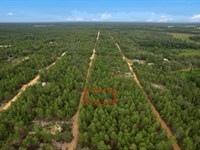
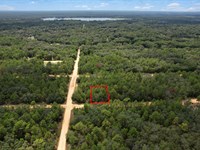
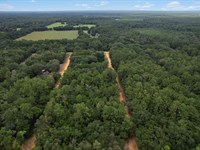
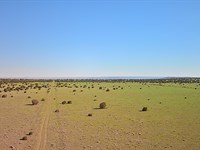
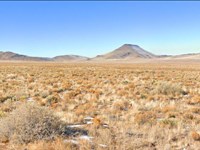
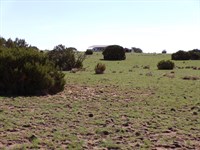
Looking to downsize, simplify, and embrace the tiny house movement in Arizona's stunning high country? This beautiful 1.04-Acre lot in Apache County gives you just that - room to breathe, sky for miles, and land specifically welcoming to tiny homes, small cabins, and minimalist living. With level terrain and wide-open views, it's a blank canvas for your efficient, eco-friendly dwelling - whether that's a custom-built tiny house on wheels, a small foundation cabin, or a cozy manufactured home under 1,000 square feet.
Located in the high desert near the small town of Concho, you'll find peace without isolation and freedom without restrictions. Apache County's Agricultural Residential zoning welcomes tiny homes with no minimum square footage requirements - meaning your 200-400 sq ft tiny house is just as legal and welcome as any McMansion elsewhere. Spend your days exploring otherworldly Petrified Forest National Park just an hour away, fishing at Concho Lake (walkable from your property), or hiking through nearby Apache-Sitgreaves National Forest. In the evenings, watch the sun set over distant mesas, build a fire under the stars, and enjoy the simple lifestyle that only tiny house living on your own land can offer.
This is real land with real potential for minimalist, sustainable living. No crowded neighborhoods, no HOA telling you your tiny house doesn't fit their aesthetic, and no limits on your imagination. You can build your dream tiny home, live off-grid with solar power, or start with a small cabin and expand over time - it's your land to shape exactly as you envision.
We are open to owner financing as well - here is what that would look like:
Cash Price: $8,499
Easy Financing Option:
- Down Payment: $149
- Documentation Fee: $199
- Total Due Today: $348
- Monthly Payment: $149/Month for 72 months
- Loan Term: 6 years
- Note Maintenance Fee: $10/Month
- Property Taxes: Approximately $1.55/Month (prorated, $18.64 annually, subject to change)
- Total Monthly: $160.55/Month ($149 payment + $10 note fee + $1.55 taxes)
See Info below:
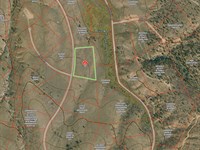
- Total Acreage: 1.04 acres
- Subdivision: Concho Valley Unit 2
- State: Arizona
- County: Apache
- Zip: 85924
- Parcel: 101-15-206
- Approximate GPS Coordinates (Center): 34.435100, -109.606300
- Elevation: Approximately 6,500 feet (high desert four-season climate)
- Terrain Type: Level, minimal brush, excellent for tiny home placement
- Annual Taxes: $18.64/Year currently (approximately $1.55/Month, subject to change)
- Zoning: Agricultural Residential (Ar)
--- Tiny homes explicitly allowed with NO minimum square footage
--- Site-built homes of any size welcome
--- Manufactured homes permitted (1994 or newer)
--- RV dwelling allowed with septic (perfect while building tiny home)
--- Accessory structures allowed (workshops, sheds, greenhouses)
--- No timeline to build - develop at your pace
- Hoa/Poa: None - NO HOA restrictions on tiny home aesthetics or size.
- Improvements: Level lot, minimal clearing needed
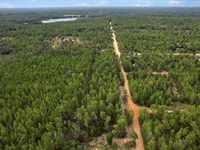
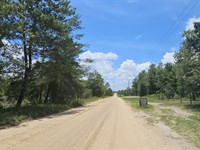
- Access: County-maintained dirt roads, year-round access
- Water: Well or cistern/water hauling typical
- Sewer: Septic required for permanent dwelling
- Electric: Power nearby - contact Navopache Electric )
- Solar: Excellent potential with 280+ sunny days annually
- Propane: Available from local providers
Note: Information presented in this listing is deemed accurate but not guaranteed. Tiny home builders are advised to conduct their own due diligence and verify all details independently with Apache County Planning & Zoning.
---
Location And Setting Overview
Gateway to Arizona's Tiny House Friendly High Country: Nestled in the Concho Valley Unit 2 subdivision of Apache County, this 1.04-Acre lot offers the perfect foundation for tiny house living in one of Arizona's most welcoming jurisdictions for small dwellings. While many counties and Hoa-Controlled subdivisions actively prohibit or restrict tiny homes through minimum square footage requirements, Apache County embraces the tiny house movement with Agricultural Residential zoning that imposes NO minimum square footage on dwellings. Your 200 sq ft tiny house on wheels? Legal. Your 400 sq ft cabin? Welcome. Your 180 sq ft micro-dwelling? Absolutely permitted.
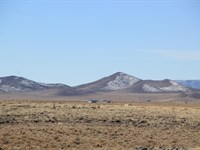
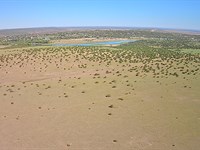
This property sits at approximately 6,500 feet elevation in Arizona's high desert - a landscape blessed with crisp clean air, moderate temperatures, and wide-open views beneath expansive sky. From your future tiny home site, you'll enjoy panoramic vistas of distant mesas and hills that glow in brilliant Southwestern sunsets, with no city lights dimming the nightly spectacle of the Milky Way splashed across the heavens. The lot's level terrain means simple, affordable site preparation for your tiny home - no expensive grading, no complex foundation engineering, just straightforward placement and setup.
The Freedom of No Hoa: Perhaps most valuable for tiny house enthusiasts: absolutely NO HOA or restrictive covenants dictating aesthetics, architectural styles, or dwelling sizes. You won't face design review committees rejecting your tiny home because it doesn't match neighborhood "standards." You won't receive violation notices because your 300 sq ft dwelling offends suburban sensibilities. You won't pay monthly HOA fees ($50-$300/Month typical in restrictive subdivisions) that undermine the whole point of affordable tiny living.
Many tiny house dreamers purchase land only to discover HOAs or zoning codes make their plans illegal. Not here. Apache County and this subdivision welcome your tiny home vision - whether that's a rustic cabin aesthetic, modern minimalist design, converted shipping container, or traditional tiny house on wheels. Your home, your style, your choice - the freedom that makes tiny house ownership genuinely liberating rather than frustratingly restricted.
Strategic High Desert Position: Despite the peaceful country setting perfect for simplified living, you're positioned strategically for supplies and recreation. The small town of Concho sits just 10-15 minutes away offering post office, convenience store, and that essential small-town connection. St. Johns (20-25 minutes east) provides grocery stores, hardware stores, propane suppliers, and county services - everything tiny house owners need for supplies and occasional town runs. Show Low (35-40 minutes west) offers comprehensive shopping including Home Depot, Walmart, and Tractor Supply - perfect for those building supply runs during tiny home construction.
This positioning is ideal for tiny house living: far enough from cities to offer genuine escape and affordable land, close enough to services that you're not spending your life driving for basics. You can run to town for building materials or groceries in the morning and be back home working on your tiny house by lunch.
Four-Season Mountain Climate Perfect for Tiny Living: At 6,500 feet elevation, you'll experience Arizona's four-season high country climate - dramatically different from Phoenix's brutal heat. Summer days typically reach comfortable low-to-mid 80s°F with cool evenings in the 50s-60s°F - perfect for enjoying your outdoor living spaces without air conditioning draining your off-grid power system. The elevation and dry climate mean even hot days feel pleasant, not oppressive.
Winters are moderate with daytime highs often in the 40s-50s°F and occasional light snow creating postcard scenery that melts within days under the strong sun. Spring brings wildflowers and comfortable 60s-70s°F temperatures ideal for outdoor projects and tiny home construction. Fall offers crisp mornings and warm afternoons perfect for hiking and enjoying your completed tiny home. With over 280 sunny days annually, solar power systems operate at peak efficiency year-round - critical for off-grid tiny house dwellers.
This climate means your tiny home is genuinely usable and comfortable year-round, not unbearably hot in summer or frozen solid in winter like extreme climates. The mild conditions also reduce heating and cooling demands - a major advantage for tiny homes with limited space for Hvac systems.
---
Why Apache County Is Perfect For Tiny House Living
No Minimum Square Footage - True Tiny Home Freedom: Apache County's Agricultural Residential (Ar) zoning represents one of Arizona's most tiny-house-friendly regulatory environments. Unlike urban counties imposing 600-1,000+ sq ft minimum dwelling sizes that effectively ban tiny homes, Apache County imposes NO minimum square footage requirement for residential dwellings in AR zones. This means your tiny home is 100% legal regardless of size - whether you build 150 sq ft, 300 sq ft, or 500 sq ft.
This regulatory freedom is increasingly rare and valuable. As tiny home popularity grows, many jurisdictions scramble to pass restrictive codes preventing "substandard" housing. Apache County takes opposite approach, recognizing that dwelling size doesn't determine quality of life and that landowners should have freedom to build homes matching their needs and values rather than bureaucratic standards.
Tiny Homes On Wheels (Thow) Considerations: For those building tiny homes on trailers (Thow - Tiny Homes On Wheels), Apache County regulations require nuanced understanding: If your Thow remains truly mobile (wheels on, ready to move, registered as Rv), it's treated as recreational vehicle subject to RV regulations - meaning up to 30 days annually without permits, longer stays allowed with septic system and appropriate permits. If your Thow becomes permanent dwelling (wheels removed, anchored to foundation, utilities connected permanently), it's treated as manufactured home and must meet basic safety standards but NO minimum size.
Most tiny house owners pursuing permanent residence choose to anchor their Thow to pier foundations, install permanent utilities, and obtain standard building permits - transforming their mobile tiny home into legal permanent dwelling. Apache County Building Department works cooperatively with tiny home owners on this process, understanding the unique nature of tiny dwellings and willing to work within code requirements flexibly.
The key is communication: contact Apache County Planning & Zoning ) before building to discuss your specific tiny home plans, ensure compliance with safety codes, and obtain proper permits. County staff are familiar with tiny homes and generally supportive of owner-builders pursuing simplified living.
Foundation and Site-Built Tiny Homes: If building tiny home on permanent foundation (most common and straightforward approach), your tiny house is simply treated as small dwelling subject to standard building codes. Requirements include: Basic structural safety standards (Irc - International Residential Code) ensuring walls, roof, and foundation are sound. Electrical and plumbing meeting National Electrical Code and plumbing codes (hire licensed contractors or demonstrate competency if owner-building). Septic system sized appropriately for dwelling (even tiny homes require septic for permanent residence). Basic egress requirements (windows/doors for emergency exit).
These are reasonable safety requirements, not arbitrary size restrictions. A well-built 250 sq ft tiny home can absolutely meet all code requirements - it simply needs proper construction techniques, licensed electrical/plumbing work, and approved septic system. Thousands of code-compliant tiny homes exist nationwide proving small size doesn't mean unsafe or substandard.
The advantage of foundation tiny homes: they're unambiguously legal permanent dwellings, qualify for standard homeowner's insurance, and create no regulatory ambiguity. If you're planning long-term tiny living (not traveling), foundation approach provides maximum legal certainty and peace of mind.
RV Living While Building: One of Apache County's huge advantages for tiny home builders: you can live in RV on property while building your permanent tiny home. County allows RV dwelling during active construction with appropriate permits - meaning you can move your travel trailer onto your land, obtain temporary dwelling permit, and live on-site while you build. This provides enormous benefits: Zero rent payments during construction (saving $800-$1,500+ monthly). Direct oversight of construction progress and quality. Ability to work on tiny home daily without commuting. Learning your land's microclimates and optimal tiny home placement before finalizing location. Testing off-grid systems (solar, water, etc.) before incorporating into permanent dwelling.
Many tiny home builders spend 6-12 months living in RVs while constructing their permanent tiny homes, dramatically reducing total project costs while enjoying their land immediately. It's practical, economical, and frankly more fun than renting an apartment miles away while trying to build on weekends.
No Timeline Pressure: Unlike jurisdictions requiring construction completion within strict timeframes, Apache County imposes no deadline for when you must build on vacant land. Buy today, build next year, or five years from now - your choice. This flexibility is valuable for tiny home builders who may need time to save money for construction, learn building skills, or simply plan their perfect tiny home design thoroughly before beginning.
You can own the property, camp on it occasionally, gradually accumulate building materials, and construct when timing is right for your life and budget. No pressure, no penalties, no bureaucratic harassment - just patient land ownership on your timeline.
---
Building Your Tiny Home - Practical Guidance
Design Considerations for High Desert Climate: Designing tiny homes for Apache County's specific climate maximizes comfort while minimizing energy consumption: Orientation: Position tiny home facing south or southwest for passive solar heating in winter. Large south-facing windows capture warming sunlight during cold months while roof overhangs shade those same windows in summer when sun is higher. Insulation: High desert experiences significant day-night temperature swings (30-40°F difference common). Excellent insulation (R-19+ walls, R-30+ roof) maintains comfortable interior temperatures without excessive heating/cooling energy. Spray foam insulation works particularly well in tiny homes, creating air-tight envelope minimizing drafts. Windows: Double-pane windows are essential for insulation. Consider strategic window placement capturing views and light while avoiding heat gain from western sun. Ventilation: Despite dry climate, tiny homes need good ventilation preventing moisture buildup from cooking and bathing. Plan for ceiling fans, operable windows creating cross-breezes, and possibly ERV (Energy Recovery Ventilator) for fresh air without heat loss.
These design considerations aren't complicated or expensive - they're simply thoughtful planning that makes tiny living comfortable year-round while minimizing utility costs.
Foundation Options: Tiny homes on permanent foundations typically use these approaches: Pier and beam: Concrete piers supporting wooden beams creating raised foundation. Allows utilities underneath, provides excellent drainage, and adapts easily to sloped terrain (though your lot is level). Cost: $2,000-$5,000 for tiny home foundation. Concrete slab: Simple poured concrete pad with rebar reinforcement. Durable, provides thermal mass for passive solar heating, and creates solid floor. Cost: $3,000-$7,000 depending on size. Skid foundation: Pressure-treated timber skids creating simple foundation suitable for small structures. Easy DIY option for capable owner-builders. Cost: $500-$1,500 in materials. Trailer foundation: If building Thow, keep it on trailer but anchor to ground with tie-downs meeting wind load requirements. This maintains mobility option while providing stability.
For most tiny home builders in Apache County, pier and beam foundations offer best combination of affordability, durability, and ease of construction. Local contractors familiar with rural building can install pier foundations quickly and affordably, or skilled owner-builders can tackle this as DIY project with proper planning.
Utility Systems for Off-Grid Tiny Living: The beauty of tiny homes is their small energy footprint making off-grid living practical and affordable: Solar Power: A 3-4 kW solar system (approximately 10-12 panels) provides ample power for efficient tiny home with LED lighting, DC fridge, laptop/electronics, and small appliances. Cost: $8,000-$15,000 installed, or $5,000-$10,000 for DIY installation. Federal tax credit covers 30% of costs. Battery storage (4-8 kWh) allows power use at night and during cloudy weather. With Apache County's 280+ sunny days, solar works beautifully year-round. Many tiny home owners report generating excess power even in winter. Water: Options include drilled well ($6,000-$12,000 typical for area, depths 150-400 feet), cistern system with hauled water ($2,000-$5,000 for tanks, $100-$200 per haul from town filling stations), or rainwater harvesting (free water from monsoons with proper collection and filtration). Tiny homes use dramatically less water than conventional homes - a 50-gallon freshwater tank can last a week or more with conservation practices. Septic: Even tiny homes require septic for permanent residence. Small systems sized for 1-2 bedroom dwelling cost $5,000-$8,000 installed. Alternative composting toilet systems are legal as supplemental toilets but standard septic typically required by county for primary dwelling. Heating/Cooling: Propane heaters (vented properly) provide efficient heating. A Mr. Heater or Dickinson Marine heater consumes minimal propane keeping tiny space warm. For cooling, combination of good insulation, ventilation, and ceiling fans usually suffices at this elevation. Small mini-split AC units (highly efficient) can run on solar if desired for occasional hot days.
These systems aren't just practical - they're affordable. Total off-grid utility infrastructure for tiny home typically costs $15,000-$25,000 - far less than conventional home utilities while providing complete independence from monthly bills.
Tiny Home Building Costs - Realistic Budgets: Professional-built tiny homes range $50,000-$100,000+ depending on size and luxury level. However, owner-built tiny homes cost dramatically less: Shell (framing, roofing, siding, windows, doors): $10,000-$20,000 in materials. Interior finishes (flooring, walls, cabinets, fixtures): $5,000-$15,000 depending on choices. Systems (electrical, plumbing, heating): $3,000-$8,000. Foundation and site prep: $2,000-$5,000. Septic system: $5,000-$8,000. Total owner-built tiny home: $25,000-$56,000 for complete, off-grid-ready dwelling.
Compare this to conventional homes costing $150,000-$300,000+ in Arizona and the financial advantage becomes clear. By building small, you can own home outright in 1-2 years of saving, avoiding decades of mortgage debt while enjoying the freedom tiny living provides.
Construction Timeline: Experienced tiny home builders typically complete projects in 6-12 months working weekends and evenings. Full-time builders can finish in 3-6 months. Factors affecting timeline include: Building experience and skills (first-time builders take longer but save money), Weather (high desert climate allows year-round construction with occasional snow delays), Permitting process (obtain permits before starting to avoid delays), Material availability (order custom windows, doors early), and Helper availability (friends, family, or hired help accelerate progress).
The key is starting. Many aspiring tiny home owners delay for years seeking "perfect" plans. Better to begin with solid basic design, learn as you build, and adjust along the way. Your tiny home doesn't need to be architectural masterpiece - it needs to shelter you, reflect your values, and provide the simplified lifestyle you seek.
---
The Tiny House Lifestyle in Concho
Simplified Living, Amplified Life: Tiny house living isn't just about small square footage - it's fundamentally different approach to life prioritizing experiences over possessions, freedom over consumption, and intentionality over default choices. Living in 200-400 sq ft forces you to curate belongings carefully, keeping only what truly serves you. This isn't deprivation - it's liberation from the tyranny of stuff that fills conventional homes but adds little value.
In Concho's high desert setting, tiny living takes on additional dimension. With such spectacular outdoor environment, your "living room" expands to encompass the entire landscape. Morning coffee on your tiny porch watching sunrise over mesas. Afternoon reading in hammock under juniper trees. Evening stargazing from outdoor fire pit under Milky Way. Your actual interior square footage becomes less relevant when nature provides the space conventional homes try to contain indoors.
Financial Freedom: The financial advantages of tiny living are transformative: No mortgage: Own home outright or pay off quickly without decades of debt. Minimal utilities: Solar power eliminates electric bills. Tiny space requires minimal heating/cooling. Water bills disappear with well or cistern. Ultra-low property taxes: At $18.64 annually, your property taxes cost less than single dinner out. No HOA fees: Save $600-$3,600+ annually versus HOA communities. Lower insurance: Insuring tiny home costs fraction of conventional home insurance. Minimal maintenance: Small space means small maintenance costs and time investment.
This financial efficiency frees resources for experiences over possessions. The money not spent on mortgage, utilities, and maintenance can fund travel, hobbies, charitable giving, early retirement, or simply working less and living more. Many tiny house owners report needing 50-70% less income than conventional lifestyles, creating freedom to pursue passions rather than just paying bills.
Community and Connection: Concho's tiny house friendly environment attracts like-minded individuals valuing simplified living, self-reliance, and intentional lifestyle choices. You'll find neighbors living in small cabins, converted RVs, and tiny homes who understand your choices and share your values. The informal community includes creative problem-solvers, skilled builders, off-grid enthusiasts, and people who've consciously chosen quality of life over conventional measures of success.
This isn't isolated hermit living - it's finding your tribe. Neighbors share tools, trade skills, and support each other's projects. You might help someone install solar panels, receiving plumbing advice in return. Community potlucks, informal skills workshops, and mutual aid create social fabric rich in authentic connection - something increasingly rare in conventional suburban isolation.
Environmental Sustainability: Tiny homes typically use 10-20% of the energy of conventional homes. Combined with solar power, your environmental footprint shrinks dramatically. You're not just talking about sustainability - you're living it daily. Every choice in tiny home becomes intentional: which possessions truly serve you, how much energy you genuinely need, what resources are essential versus wasteful. This consciousness extends beyond the home, often transforming relationship with consumption broadly.
Many tiny home owners find this alignment of values and lifestyle deeply satisfying. You're not preaching about climate change while driving SUV to 3,000 sq ft house - you're walking the walk, demonstrating that comfortable modern living doesn't require excessive resource consumption.
---
Recreation and Natural Beauty
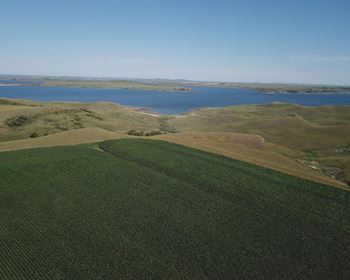
Concho Lake - Your Backyard Fishing Spot: One of this property's exceptional features: Concho Lake sits close enough to walk (under one mile from your tiny home). This 130-Acre spring-fed lake offers year-round fishing for stocked rainbow trout (spring), bass, catfish, and panfish (summer/fall). Imagine walking to lake with fishing rod after breakfast, catching dinner, and being back home within hours - no driving, no boat launch hassles, just simple access to quality recreation.
For tiny home dwellers prioritizing experiences over possessions, this lake access provides free entertainment and food source. A $15 fishing license and basic tackle represent your total investment for year of recreation and protein. Many Concho tiny house residents fish regularly, supplementing grocery bills with fresh trout and bass while enjoying peaceful mornings on water.
The lake also offers kayaking, canoeing, and wildlife viewing. Bring your inflatable kayak (stores easily in tiny home), paddle around lake photographing herons and waterfowl, and return home having spent $0 on entertainment while creating memories money can't buy.
Apache-Sitgreaves National Forest - 2 Million Acres of Playground: Just 45 minutes from your tiny home, Apache-Sitgreaves National Forest encompasses over 2 million acres of ponderosa pine forests, alpine lakes, and mountain trails. This massive public playground offers unlimited recreation: Hiking trails ranging from easy nature walks to challenging summit climbs (Mount Baldy at 11,409 feet is Arizona's second-highest peak). Fishing in dozens of alpine lakes and streams teeming with trout. Camping in developed campgrounds or dispersed sites throughout forest. Mountain biking on forest roads and designated trails. Off-roading on designated ATV and 4x4 trails. Hunting for elk, deer, and turkey in season. Winter recreation including skiing at Sunrise Park Resort and cross-country skiing on forest trails.
For tiny house owners, national forest access represents incredible value. A $30 annual pass grants unlimited access to millions of acres - compared to gym memberships, cable subscriptions, or entertainment costs conventional lifestyles require. Your recreation budget shrinks to nearly nothing while quality of experiences skyrockets.
Petrified Forest National Park: About 1 hour from property, Petrified Forest National Park showcases one of world's largest concentrations of petrified wood and spectacular Painted Desert badlands. This otherworldly landscape feels like walking through time - ancient logs turned to stone, technicolor hills, and petroglyphs left by ancestral peoples create unforgettable experience.
Annual national parks pass costs $80 and grants access to every national park nationwide - extraordinary value for tiny house travelers who might spend summers road-tripping while their tiny home sits safely on their Arizona land. Many tiny house owners adopt nomadic lifestyle in winter (escaping cold) while returning to home base in Arizona for comfortable warm season.
The Tiny House Touring Option: One unique advantage of tiny homes on wheels: mobility. If you build or buy Thow, you can literally take your home traveling - spending winters in warm climates, summers in cool mountains, and returning to your Arizona land whenever desired. Your 1.04-Acre property becomes home base - a place to rest between adventures, store belongings, and return to when wanderlust fades.
Many tiny house owners adopt hybrid approach: building tiny home on trailer, living on their land seasonally while exploring other areas during extreme weather months. Your land provides security and basecamp while your mobile tiny home enables adventure - best of both worlds. Some even build small foundation cabin on property for year-round presence while traveling in separate Thow - maximum flexibility meeting diverse needs.
Wildlife Viewing: Your property and surrounding area host abundant wildlife. Mule deer commonly browse at dawn and dusk. Elk occasionally wander down from higher elevations. Pronghorn antelope inhabit nearby grasslands. Countless bird species including hawks, ravens, songbirds, and occasional eagles soar overhead. Jackrabbits, cottontails, and coyotes complete the cast of high desert characters.
For tiny house dwellers living close to nature, this wildlife provides daily entertainment and connection to landscape. Morning coffee becomes more interesting when deer family browses past your window. Evening walks transform into nature documentaries as you observe animals thriving in their native habitat.
---
The Off-Grid Tiny Living Advantage
Proving You Don't Need Much: One of tiny house movement's profound insights: modern humans don't need nearly as much as consumer culture insists. A 300 sq ft tiny home with 2 kW solar system can provide comfortable modern living - refrigeration, lighting, laptop/phone charging, entertainment systems, coffee maker, and more - all from sunlight falling on small solar array.
Apache County's exceptional solar resources (high elevation, low humidity, 280+ sunny days) mean even modest solar systems generate ample power year-round. Many tiny home owners report surplus power even in winter - charging neighbors' batteries or simply having more power than needed. This isn't grinding subsistence - it's abundant living from renewable resources proving sustainability doesn't mean sacrifice.
The same holds for water. A single person uses 80-100 gallons daily in conventional home. In water-conscious tiny home with efficient fixtures? 20-30 gallons daily. A 50-gallon freshwater tank lasts 2-3 days easily, and 500-Gallon cistern lasts weeks. Suddenly water security becomes simple, affordable reality rather than expensive technical challenge requiring massive infrastructure.
Resilience and Security: Off-grid tiny home provides genuine security absent from grid-dependent conventional living: Power outages don't affect you - solar and batteries keep running regardless of grid status. Water supply remains available - well or cistern provide water without municipal dependencies. Heating/cooling continues - solar power and efficient systems aren't dependent on natural gas utilities or functioning grid. Food storage possible - solar-powered refrigeration and root cellars preserve food through any disruption.
This resilience isn't paranoid prepping - it's simply practical self-reliance. Recent years demonstrated fragility of complex systems - supply chain disruptions, utility failures, inflation spikes. Off-grid tiny living creates buffer against these disruptions while reducing exposure to systems outside your control.
Many tiny house owners describe sleeping better knowing they aren't vulnerable to distant decisions affecting their daily living. This security, combined with financial freedom from debt and minimal expenses, creates peace of mind conventional homeownership rarely provides.
Skills and Competency: Building and maintaining tiny home develops practical skills enhancing self-reliance and confidence: Carpentry skills from construction. Electrical knowledge from wiring systems. Plumbing competency from installing water systems. Solar power understanding from off-grid electrical. Problem-solving abilities from overcoming inevitable challenges. DIY mindset valuing solutions over consumption.
These skills have intrinsic value beyond the projects themselves. Competent people feel capable and confident handling life's challenges rather than feeling helpless and dependent on experts for every need. The education gained building tiny home often exceeds formal education in practical value - you learn to create shelter, generate power, provide water, and solve problems systematically. These are genuine life skills serving you forever.
Low-Impact Living: Tiny homes minimize environmental impact through multiple mechanisms: Small footprint: Less land disturbed for dwelling and infrastructure. Minimal materials: 400 sq ft tiny home uses fraction of materials compared to conventional home. Energy efficiency: Small space requires little heating/cooling energy. Solar compatibility: Small energy needs met easily by modest solar systems. Water conservation: Tiny homes encourage water consciousness through limited storage. Waste reduction: Limited storage space discourages accumulation of unnecessary possessions.
This isn't just environmentally beneficial - it's economically smart. Less material means less cost. Less energy means smaller systems. Less water means simpler infrastructure. Tiny living aligns environmental and economic interests, creating virtuous cycle where what's good for planet is good for wallet.
---
Investment and Carrying Costs
Affordable Entry to Arizona High Country: At cash price of $8,499 or owner financing for just $348 down and $160.55/Month total (payment + note fee + taxes), this property represents extraordinarily affordable entry into Arizona mountain land ownership. Consider the alternatives: Renting apartment: Average 1-bedroom in Arizona runs $800-$1,200/Month - within just 5-8 months your total payment equals what renters pay monthly forever with zero equity. Conventional home: Median home in White Mountains area costs $250,000+ requiring $50,000 down and $1,800+ monthly payments for 30 years. Tiny home on your land: Total investment under $10,000 for land plus $25,000-$50,000 for owner-built tiny home equals free and clear ownership in 2-4 years of saving while building.
The financial mathematics are compelling. By living tiny, you can achieve debt-free homeownership on timeline impossible with conventional path - freeing decades of your life from mortgage servitude.
Ultra-Low Carrying Costs: While planning and building your tiny home, carrying costs are minimal: Annual property taxes: $18.64 currently (approximately $1.55/Month). No HOA fees ever (saving $600-$3,600 annually versus HOA communities). Owner financing: $149/Month payment + $10/Month note fee $159/Month. Total holding cost: approximately $160.55/Month including taxes - less than utilities alone on conventional home.
You can afford to own this property for years while saving money, learning skills, and gradually building your tiny home - without financial pressure forcing rushed decisions or compromises. This patient ownership approach allows thoughtful development creating home truly reflecting your values and needs.
Land Appreciation Potential: Arizona continues ranking among America's fastest-growing states. While much growth concentrates in Phoenix metro, White Mountains region benefits from retirees, remote workers, and lifestyle migrants seeking cooler climate and outdoor recreation. As Arizona grows, rural land values increase - particularly parcels with access, utilities, and recreation proximity like yours.
Your $8,499 investment today could appreciate significantly over 5-10 years as growth continues. Meanwhile, you're using the property, building equity through improvements, and avoiding rent - creating compound value impossible with purely financial investments. Real estate remains one of few investments providing both use value and financial appreciation simultaneously.
The Tiny Home Resale Market: Should you ever need to sell, improved property with tiny home commands substantially higher value than raw land: Raw land: $8,499 (your entry price). Improved lot (well/cistern, septic, electric, cleared): $15,000-$20,000. Lot with completed tiny home: $35,000-$75,000+ depending on quality. Developed off-grid tiny home retreat: $50,000-$90,000+ creating desirable turnkey property.
Importantly, tiny home market is growing. As more people discover tiny living benefits, demand for completed tiny homes and tiny-home-ready properties increases. Your property could appeal to: Retirees seeking affordable Arizona living. Remote workers wanting low-cost mountain retreat. Outdoor enthusiasts desiring recreation access. Minimalists embracing simplified lifestyle. Environmental advocates prioritizing sustainability. Investors seeking affordable Arizona real estate.
This diverse buyer pool creates strong resale potential if life circumstances ever require selling.
---
Take Action - Your Tiny Home Future Starts Now
This Is Your Opportunity: This 1.04-Acre lot in Apache County offers everything tiny house enthusiasts need: Ultra-affordable pricing ($348 down, $160.55/Month). Tiny-home-friendly zoning with NO minimum square footage. NO HOA restrictions on dwelling size or aesthetics. Level terrain simplifying tiny home placement and construction. RV living allowed while building your permanent tiny home. Exceptional solar resources for off-grid independence. Walking distance to Concho Lake for recreation. Proximity to Apache-Sitgreaves National Forest and Petrified Forest. Four-season climate comfortable without expensive Hvac.
Whether you're dreaming of owner-built tiny home showcasing craftsmanship, purchased Thow ready for placement, small foundation cabin built affordably, off-grid retreat powered by sunshine, or simply escaping consumer culture's demands - this property can make it happen.
Why Wait? Every month you delay is another month paying rent to landlords rather than building equity. Another month working jobs funding lifestyles you don't value to afford homes you don't need. Another month older without having started the adventure of tiny house building and simplified living. Another month missing sunrises over your own Arizona high desert.
For $348 down and $160.55/Month - less than most utility bills on conventional homes - you can own this land and start your tiny house journey immediately. Camp on property this spring while planning your tiny home design. Arrive summer with building materials ready to begin construction. Live in RV during fall while building progresses. Move into your completed tiny home by winter, debt-free and triumphant.
Or take your time. Own the land, visit for camping trips, gradually accumulate materials and skills, and build when ready. No pressure, no timeline, just patient ownership allowing development when it serves your life rather than arbitrary deadlines.
Simple Next Steps: Review this listing thoroughly understanding Apache County's tiny home regulations and possibilities. Contact us with questions - we're here to help you understand exactly what's possible and guide you through simple purchase process. Visit the property using provided GPS coordinates and directions - walk the land, envision your tiny home placement, feel the potential. Decide between cash purchase ($8,499) or owner financing ($348 down, $160.55/Month total). Reserve your tiny home paradise today - process completes in 1-2 days, then land is yours to develop.
100-Day Guarantee: We're so confident you'll love this property that we offer 100-Day satisfaction guarantee. If you change your mind within 100 days of purchase for any reason, we'll refund your principal payment or help exchange for another Wild Domain Land property. This guarantee eliminates downside risk - you have over three months to visit property, research your tiny home plans, and confirm this is right choice before fully committing.
Imagine Next Year: Picture yourself one year from now - you're sipping morning coffee on your tiny home's porch, watching the sunrise paint distant mesas in gold and orange. Your solar panels quietly charge batteries powering your efficient LED lights, DC fridge, and laptop. Your tiny home - built with your own hands (and maybe some help from friends) - stands as monument to your values: simplicity, sustainability, financial independence, and intentional living.
You own everything outright. No mortgage payment. No landlord. No Hoa. No utility bills consuming income. Your property taxes cost $18.64 annually - less than two pizzas. Your living expenses dropped so dramatically you work part-time now, spending mornings building furniture, afternoons hiking national forest trails, and evenings stargazing from your own land under the Milky Way.
Friends visit, marveling at your tiny home's clever design and asking "how did you do this?" You explain patiently: started with affordable land, learned building skills, worked steadily, and refused to believe conventional wisdom that you needed 2,000 sq ft and 30-year mortgage to live well. Now you're proof that different path exists - one prioritizing freedom over square footage, experiences over possessions, and living deliberately over living by default.
This isn't fantasy. Thousands of people live this reality in tiny homes across America. The only question: Will you join them?
The Difference You'll Make: Beyond personal benefits, choosing tiny living makes broader statement. Every tiny home built demonstrates that alternatives to consumer culture exist and thrive. You become proof that modern comfort doesn't require excess, that simplified living isn't sacrifice but liberation, and that aligning values with lifestyle creates satisfaction material consumption never delivers.
Your tiny home on this Arizona land becomes beacon for others questioning conventional paths. Friends and family see your example and reconsider their own choices. Some might follow your path. Others might not, but everyone's perspective shifts seeing that you're genuinely happier with less - contradicting every message consumer culture preaches.
This ripple effect - living as example rather than just talking about change - may be tiny house movement's most significant contribution. Not converting everyone to tiny living, but opening minds to possibility that established paths aren't only paths, that different approaches exist, and that individuals can choose deliberately rather than accepting defaults.
Start Living Wild - Your Tiny Home Journey Begins Today.
---
Information provided is deemed reliable and gathered from Apache County sources, tiny home builders, and local knowledge, but buyers should perform own due diligence. Property details including zoning, tiny home regulations, and development requirements were accurate at listing time but may change. Contact Apache County Planning & Zoning ) to verify current regulations and discuss your specific tiny home plans before purchasing. We're here to guide you through smooth purchase process and answer questions about tiny home possibilities on this property. Your success is our priority.
Land Maps & Attachments
Directions to Land
Directions to Land
FROM CONCHO (RAY'S BBQ SHACK - approximately 10-12 minutes):
Head east on AZ-61 for approximately 0.4 miles. Turn right onto Concho Creek Drive. Continue for 3.3 miles. Turn left onto County Road 8056 and drive 0.5 miles. Turn left onto County Road 8055 and continue 0.6 miles. Turn left onto County Road 8057. Drive 0.2 miles - the property will be on your right. GPS: 34.435100, -109.606300
FROM SHOW LOW (approximately 40-45 minutes, 38 miles):
Head east on AZ-260 which becomes AZ-60 E toward Springerville. Continue on AZ-60 E past Vernon. Near Concho, turn left onto AZ-61 N. Continue approximately 1.5 miles, then turn right onto Concho Creek Drive. Follow directions above from Concho Creek Drive. GPS: 34.435100, -109.606300
FROM ST. JOHNS (approximately 25-30 minutes, 19 miles):
Head west on AZ-61 W for approximately 14 miles toward Concho. Turn right onto Concho Creek Drive. Follow directions above from Concho Creek Drive. GPS: 34.435100, -109.606300
More Land Details
More Land from Collin Pettet
 0.5 AC : $18K
- 0.2 AC : $9K
- 0.2 AC : $9K
- 4.9 AC : $9K
- 5.1 AC : $12.5K
- 0.2 AC : $9K
- 0.2 AC : $9K
- 1 AC : $8.5K
- 3.1 AC : $18.9K
- 5 AC : $7.5K
- 2.1 AC : $14.9K