Flat Land Perfect for Homesteading
Fort Garland, CO 81123
Costilla County, Colorado
Land Description
Land Description
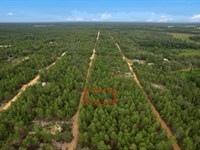
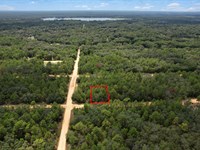
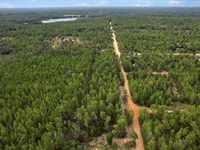
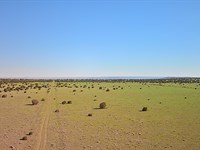
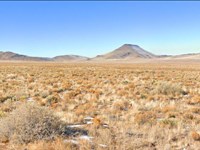
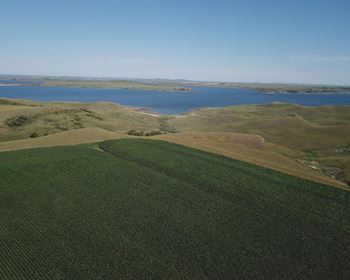
Welcome to 4.85 acres of prime flat homesteading land in the beautiful San Luis Valley near Fort Garland, Colorado. This exceptional property is a modern homesteader's dream - completely level plains terrain that makes gardening, raising animals, building infrastructure, and daily homestead work easy and practical. Located in the S.L.V.R. (San Luis Valley Ranches) subdivision at a comfortable 7,862 feet elevation, your property offers stunning mountain views, over 280 days of sunshine annually for incredible solar potential, and the space you need to build a self-sufficient lifestyle.
Just 23 minutes (15.7 miles) from the historic town of Fort Garland for supplies and services, you'll have convenient access to essentials while enjoying complete privacy on your own mountain homestead. Great Sand Dunes National Park sits just 42 minutes away for recreation, and you're within easy reach of Alamosa's feed stores, farm supply, and homesteading resources.
The real advantages of this property for homesteaders are the completely flat plains terrain (no hills to navigate with wheelbarrows, tractors, or livestock - everything stays where you put it.), the open sunny exposure perfect for maximum solar production and garden efficiency, incredibly low property taxes of just $128.56 per year (about $11/Month - leaving more money for seeds, tools, and animals.), and nearly 5 acres giving you room for gardens, greenhouses, chicken runs, goat pens, workshops, and more without feeling cramped.
This is genuinely level land - the kind homesteaders dream about. No fighting slopes when hauling water, no terracing gardens, no chasing escaped chickens downhill. Just flat, workable ground where you can efficiently organize your homestead layout for maximum productivity. Whether you're planning raised bed gardens, hoop houses, livestock pens, solar arrays, rainwater catchment systems, or workshops, this flat terrain makes everything easier and more affordable.
Don't miss this rare opportunity to own nearly 5 acres of flat, workable homesteading land with spectacular mountain views at an incredibly affordable price. Flat homestead properties this size and this affordable don't last long.
We are open to owner financing as well - here is what that would look like:
Cash Price: $8,999
Easy Financing Option:
- Down Payment: $169
- Documentation Fee: $199
- Total Due Today: $368
- Monthly Payment: $169/Month for 72 months
- Loan Term: 6-Year Easy Financing Plan
With our easy financing option, you can own this spectacular Colorado homestead property for just $368 down and $169 per month - less than most people spend on groceries they could grow themselves. No credit checks, no bank hassles - we make land ownership accessible to aspiring homesteaders. Start building your self-sufficient dream today.
Whether you choose cash purchase or take advantage of our flexible owner financing, this property represents an incredible opportunity to own flat, workable homesteading land with mountain views and ultra-low carrying costs.
See Info below:
- Subdivision: S.L.V.R. (San Luis Valley Ranches)
- State: Colorado
- County: Costilla
- Zip: 81133
- Address: 9th St, Fort Garland (rural address, coordinates provided below)
- Size: 4.85 acres
- Parcel: Account R020478 / Parcel Number 70322620
- Legal Description: S.L.V.R. Unit O BLK 4 Lot 4
- Trs: T31s-R73w-Sec 36
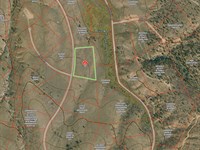
- Lot Dimensions:
--- North: 322.77 ft
--- East: 652.96 ft
--- South: 324.25 ft
--- West: 645.52 ft
- Approximate GPS Coordinates:
Center: 37.315024, -105.501282
Ne: 37.315924, -105.500734
Se: 37.314136, -105.500745
Sw: 37.314132, -105.50185
Nw: 37.315915, -105.501845
- Elevation: 7,862 feet (high country growing.)
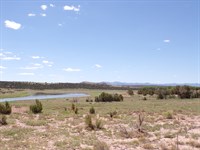
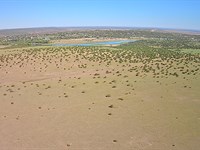
- Terrain Type: Plain (Flat - ideal for homesteading.)
- Flood Zone: Unknown Fema FZ, no wetlands
- Annual Taxes: $128.56/Year (about $11/Month.)
- Zoning: Estate Residential (Er)
--- Single-family dwelling allowed
--- Mobile homes permitted (1976 or newer)
--- Camping: Per County, Yes; Per Cc&R's, only during construction with permit (14 days every 3 months without septic)
--- RVs allowed: Per County, Yes; Per Cc&R's, only during construction with permit (14 days every 3 months without septic)
--- Minimum dwelling size: 600 sq ft per county; Cc&Rs require 800 sq ft (single story) or 600 sq ft (two-story)
--- Building permit valid for 1 year and renewable
--- Short-term vacation rentals allowed (must follow state guidelines)
--- School District: Sierra Grande School District R-30
--- Planning Dept
- Hoa/Poa: County has no information on HOA status - appears to be NO mandatory Hoa.
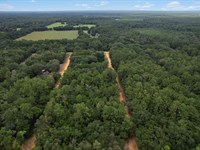
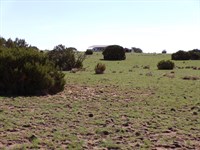
- Improvements: Flat plains, natural vegetation, level building site
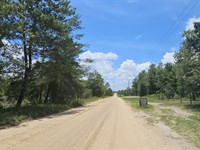
- Access: 9th St (County-maintained dirt road, year-round access)
- Water: Well or alternative water system required (cistern options available)
- Sewer: Septic system required
- Electric: Contact Xcel Energy or San Luis Valley Rec. Alternative power (solar) highly recommended - 280+ sunny days annually.
- Gas: Propane available - contact A-1 High Valley Propane or La Veta Propane Inc
- Waste: Private service - contact G T Trash Services or Silver Mountain Disposal
- Nearest Feed Store: Tractor Supply Company, Alamosa (44 minutes)
Information presented in this listing is deemed accurate but is not guaranteed. Buyers are advised to conduct their own due diligence and verify all details independently.
---
Location And Setting Overview - Your Homestead Paradise
Your Valley Floor Homestead in Colorado's Most Productive Growing Region: This exceptional 4.85-Acre property sits in the San Luis Valley, Colorado's largest alpine valley and a legendary agricultural region where farms and ranches have thrived for over 150 years. At 7,862 feet elevation on flat valley floor terrain, your land occupies the sweet spot for modern homesteading - high enough for clean air, stunning views, and four distinct seasons, but low enough for practical growing and manageable winters. The San Luis Valley is famous for producing Colorado's best potatoes, hearty grains, and cold-climate vegetables - proving this region's agricultural potential.
The Homesteader's Dream: Flat, Workable Land: Most "mountain property" comes with slopes that make homesteading exhausting and inefficient. Your property is completely different - genuinely flat plains that make every homesteading task easier. Here's what flat terrain means for your daily homestead life: Garden Layout - Design efficient garden beds in any configuration without fighting contours. No terracing, no erosion concerns, just straight rows or raised beds arranged exactly as you want. Plant straight lines, use irrigation efficiently, and harvest without hiking up and down hills. Livestock Management - Animals stay where you fence them. No chasing goats downhill, no water running away from pens, no uneven pastures creating drainage problems. Build level chicken runs, goat shelters, and rabbit hutches without slope complications. Water Systems - Install cisterns, design gravity-fed irrigation, and manage rainwater catchment with simple, efficient systems. Flat ground means predictable water flow and easy distribution to gardens and animal waterers. Infrastructure Placement - Position your home, barn, greenhouse, workshop, and storage sheds in logical, efficient layouts without slope dictating your decisions. Create functional work triangles between kitchen garden, chicken coop, and house. Daily Work Efficiency - Haul compost, manure, harvest baskets, feed bags, and firewood on flat ground instead of fighting gravity every single day. Your energy goes into productive work, not battling terrain. Equipment Use - Operate tillers, mowers, tractors, and wheelbarrows efficiently on level ground. No dangerous slope operations, no equipment tipping concerns. For homesteaders, flat workable land is worth its weight in gold - it's the difference between homesteading being a joy versus a constant physical struggle.
Climate and Growing Conditions - High Altitude Success: At 7,862 feet elevation with 280-300 days of sunshine annually, your property offers exceptional growing conditions for cold-climate crops. The San Luis Valley's legendary "300 days of sunshine" provides consistent solar energy for both gardens and solar panels. Your growing season runs approximately 90-120 frost-free days (typically late May through mid-September), perfect for cold-hardy vegetables that thrive in cool mountain climates: Short-Season Vegetables Excel: Lettuce, spinach, kale, chard, peas, radishes, carrots, beets, turnips, cabbage, broccoli, and cauliflower all thrive in high-altitude conditions. Many greens actually taste sweeter in cool climates. Potato Paradise: The San Luis Valley is Colorado's premier potato-growing region, producing millions of pounds annually. The cool nights, warm days, and well-draining soils create perfect conditions. Homesteaders regularly harvest 100+ pounds of potatoes from small plots. Root Vegetables Thrive: Carrots, parsnips, beets, turnips, and rutabagas love high-altitude growing and store beautifully through winter in root cellars. Hardy Herbs Flourish: Cilantro, parsley, dill, chives, and other herbs that bolt quickly in hot climates thrive in cool mountain conditions with extended harvests. Berries and Perennials: Cold-hardy raspberry and currant varieties produce abundantly. Perennial herbs like thyme, oregano, and sage survive winters and return stronger each year. Season Extension Strategies: Hoop houses, cold frames, and row covers extend your season to 6-7 months, allowing year-round production of cold-tolerant greens. Many homesteaders harvest lettuce and kale from hoop houses even in January. Frost Protection: The flat terrain allows efficient placement of windbreaks and frost protection since cold air doesn't drain downslope and pool in low spots. You control your microclimates through strategic infrastructure placement.
Strategic Homestead Position - Access to Resources: Your property location provides the crucial balance homesteaders need - isolation and privacy for self-sufficient living, but reasonable access to feed stores, veterinary services, farm supplies, and community support. Fort Garland (23 minutes) provides basic groceries, gas, hardware, and small-town necessities. Alamosa (44 minutes) offers comprehensive homesteading resources including: Tractor Supply Company - Fencing materials, livestock feed, chicken supplies, gardening tools, veterinary supplies, and homesteading essentials. This is your homestead headquarters. Feed Stores - Livestock feed, hay, grain, supplements, and animal care products. Develop relationships with local suppliers for bulk purchases. Farm & Ranch Suppliers - Equipment, irrigation supplies, seed, fertilizers, and specialized farming gear. Veterinary Services - Large and small animal vets for livestock health. Establish care before you need emergency services. Home Depot - Building supplies for coops, barns, greenhouses, and infrastructure projects. Farmers Markets - Connect with local growers, trade seeds, learn regional growing techniques, and sell surplus produce. Extension Office - Colorado State University Extension provides free homesteading education, soil testing, pest identification, and growing guidance specific to high-altitude conditions.
Water Resources and Management: Water is the lifeblood of any homestead, and you have multiple options: Well Drilling: Standard for rural Colorado homesteading. Well depths in the San Luis Valley vary - budget $8,000-$18,000 for complete well system. Once drilled, you have unlimited water for gardens, animals, and household use. Many homesteaders report excellent water quality and adequate flow. Cistern Systems: Install 1,500-5,000 gallon cisterns (cost $2,000-$6,000) and haul water from town initially at $100-$200 per fill. Many homesteaders use this approach temporarily while saving for well drilling, or permanently as primary water source. Rainwater Harvesting: Colorado law allows residential rainwater collection from rooftops. With proper storage, rain barrels and cisterns capture seasonal precipitation for garden irrigation, reducing well dependency. The flat terrain allows efficient cistern placement and gravity-fed distribution. Livestock Water: Plan approximately 1-3 gallons daily per goat, 5-10 gallons per sheep, and 0.25-0.5 gallons per chicken. A small homestead with 4 goats and 20 chickens needs about 15-20 gallons daily - manageable with well or cistern systems.
San Luis Valley Homesteading Community: You're joining a region with deep agricultural roots and a growing modern homesteading movement. The San Luis Valley has supported farming and ranching since Spanish land grants in the 1840S, creating generational knowledge of high-altitude agriculture. Today's homesteading community includes: Off-grid families perfecting solar living and food preservation. Market gardeners selling at farmers markets and to local restaurants. Livestock operations raising grass-fed beef, sheep, goats, and chickens. Permaculture practitioners implementing regenerative systems in extreme climates. Homestead bloggers and YouTubers documenting mountain self-sufficiency. This community shares knowledge, trades seeds, helps with harvests, and supports newcomers learning high-altitude homesteading. You're not alone - you're joining a resilient community of people choosing self-sufficient lifestyles in one of America's most beautiful settings.
Why Flat Terrain Matters for Homesteading - Specific Advantages
Let's talk specifically about how this property's flat terrain advantages translate into homesteading success and cost savings:
Garden and Food Production - Maximum Efficiency: On flat ground, you design garden layouts for maximum sun exposure and efficient workflow without terrain dictating placement. Install raised beds in perfectly straight rows for easy maintenance and harvest access. Implement square-foot gardening, intensive raised beds, or traditional row crops with equal efficiency. Create pathways between garden sections that stay dry and accessible, not muddy hillside struggles. Install drip irrigation or soaker hoses that deliver water evenly without runoff down slopes. The flat terrain means water soaks in where you put it rather than running downhill, reducing waste and increasing efficiency. Compost piles, cold frames, and season extension structures sit level and function properly instead of fighting gravity. When you're hauling buckets of compost, pushing wheelbarrows of mulch, or carrying harvest baskets, flat ground means your energy goes into production rather than climbing hills. Over a growing season, this efficiency advantage saves literally hundreds of hours of extra physical labor.
Livestock Infrastructure - Safety and Simplicity: Flat terrain is dramatically safer and easier for animal husbandry. Build level chicken coops where feeders and waterers don't tip, nest boxes stay clean, and roosting bars remain horizontal. Design goat pens with level shelters, feeding stations, and mineral stations where everything functions as intended without slope complications. Create rotational grazing paddocks with simple fencing that follows straight lines rather than complex terrain-following installations costing extra materials and labor. Animals instinctively prefer level ground for resting and sleeping - your livestock will be more comfortable and productive. Level pens mean easier cleaning when you're scooping manure and refreshing bedding - everything scrapes cleanly rather than accumulating in downhill corners. Water systems for livestock work simply with gravity-fed or pumped water distributed evenly to level troughs and waterers. On sloped properties, livestock water management becomes complex with drainage issues and uneven flow. Your flat terrain eliminates these headaches entirely.
Infrastructure and Building Projects - Thousands in Savings: Every structure on your homestead - dwelling, barn, greenhouse, workshop, storage sheds - costs less to build on flat ground. Foundations pour simply on level ground without extensive excavation, retaining walls, or complex engineering. A simple pole barn that costs $8,000 on flat ground might cost $12,000-$15,000 on sloped terrain requiring grading and foundation work. Greenhouses and hoop houses function optimally on level ground with consistent sun exposure, proper drainage, and stable foundations. Slope installations create uneven growing conditions and structural challenges. Workshops and outbuildings built on flat ground have level floors where tools don't roll away, workbenches stay stable, and equipment operates properly. Solar arrays install simply on ground mounts or roof mounts without slope-related complications or reduced efficiency from non-optimal angles. The flat terrain allows flexible placement for maximum southern exposure. When you're building multiple structures over years of homestead development, the cumulative savings from flat terrain easily exceed $15,000-$30,000 compared to sloped property requiring constant grading, retaining walls, and slope-accommodating construction.
Daily Homestead Operations - Quality of Life: Here's the reality: homesteading involves constant movement of heavy materials. You'll haul water, feed, bedding, compost, manure, firewood, building materials, tools, and harvests multiple times daily. On flat ground, this work remains manageable. On slopes, it becomes exhausting drudgery that wears you down physically and mentally. Flat terrain means: Carrying five-gallon water buckets 100 feet is tiring but doable; carrying them 100 feet uphill is miserable. Pushing wheelbarrows loaded with manure to compost piles is steady work on flat ground; uphill it's brutal. Moving hay bales from storage to feeding areas stays simple instead of becoming a daily ordeal. Older homesteaders or those with physical limitations can continue active homesteading on flat ground long after slopes would force them to quit. The mental relief of not fighting terrain every single day cannot be overstated - flat ground makes homesteading sustainable and enjoyable rather than a constant physical battle.
Homestead Layout and Workflow Optimization: Flat terrain allows you to design your homestead layout based on efficiency and function rather than being forced into awkward arrangements dictated by topography. Implement permaculture zones logically: Zone 1 (intensive daily use) - Kitchen garden, herbs, and chickens positioned steps from your house for multiple daily visits. Zone 2 (regular use) - Larger gardens, greenhouses, compost systems, and small livestock requiring daily or every-other-day attention positioned conveniently but not immediately adjacent to home. Zone 3 (weekly management) - Larger livestock paddocks, orchard plantings, and seasonal crops positioned farther out where weekly management suffices. On flat ground, these zones organize efficiently in concentric rings or logical groupings. On sloped property, zones scatter awkwardly wherever flat spots exist, destroying workflow efficiency. Position your homestead infrastructure to create efficient work triangles - kitchen to chicken coop to compost to garden - minimizing steps and maximizing productivity. Flat terrain makes this possible; slopes make it impossible.
Growing Your Food - High Altitude Gardening Success
Short-Season Mastery - 90-120 Day Growing Success: Many people fear short growing seasons, but savvy high-altitude homesteaders thrive within these constraints by choosing appropriate crops and using season extension: Cool-Season Champions: Lettuce, spinach, kale, arugula, chard, and Asian greens actually produce better in cool climates than hot regions where they bolt quickly. Plant early (mid-May) and harvest continuously through September. These greens tolerate light frosts and often improve in flavor after cold nights. Fast-Maturing Varieties: Seek seed varieties specifically bred for short seasons - "60-Day tomatoes," "50-Day beans," "45-Day radishes." These varieties mature before fall frosts while producing abundantly. Root Vegetable Paradise: Carrots, beets, turnips, radishes, and parsnips thrive in cool soil and actually taste sweeter after light frosts. Many homesteaders plant root crops in June-July for fall harvest and winter storage. A 10x20 foot root crop bed can produce 200+ pounds for winter storage. Potato Power: The San Luis Valley's famous potato-growing heritage proves this crop's high-altitude success. Plant seed potatoes in early May, harvest in September, and store 100-200+ pounds per 100 square feet in root cellars through winter. Potatoes provide calorie-dense food security.
Season Extension - Year-Round Production: Modern homesteaders in the San Luis Valley routinely extend seasons to 6-8 months using simple structures: Hoop Houses / Caterpillar Tunnels: Unheated plastic-covered structures extending seasons 4-6 weeks on both ends (April plantings, October harvests). Cost: $300-$800 for DIY 10x20 structures. Grow lettuce, spinach, kale, and carrots nearly year-round with winter harvests. Cold Frames: Small bottomless boxes with glass or plastic tops creating microclimates 10-20°F warmer than ambient. Cost: $50-$200 Diy. Start seedlings earlier in spring and grow cold-hardy greens through winter. Row Covers: Lightweight fabric draped over crops providing 2-8°F frost protection. Cost: $20-$50 for 50-foot rolls. Protect tomatoes, peppers, and squash from early fall frosts, extending harvests 2-4 weeks. Low Tunnels: Wire hoops covered with plastic creating mini-greenhouses over individual beds. Cost: $10-$30 per bed. Perfect for starting spring crops 3-4 weeks early. With season extension, many San Luis Valley homesteaders harvest fresh salad greens, kale, chard, and even carrots in December and January - fresh food even in deepest winter.
Livestock for Food Security - Chickens, Goats, and Rabbits: Your 4.85 flat acres comfortably supports small-scale livestock production for eggs, meat, milk, and fiber: Chickens - Eggs and Meat: Your property can easily accommodate 20-50 chickens in rotational paddocks or permanent coops. Expect 15-20 eggs daily from 25 laying hens - far more than one family needs, providing sales or barter opportunities. Chickens thrive at 7,862 feet with proper cold-weather coop management (insulation, ventilation, heat lamps for extreme cold). Raise meat birds (Cornish Cross or Freedom Rangers) in seasonal batches, processing 25-50 birds annually for year-round chicken in your freezer. Chickens consume kitchen scraps, garden waste, and bugs while producing fertility (manure) for gardens - the ultimate homestead synergy. Goats - Milk and Meat: Your property can support 4-8 goats providing dairy and meat. Two milking does produce 1/2-1 gallon of milk daily (6-9 months annually), providing fresh milk, yogurt, cheese, and kefir. Goats thrive on browse, weeds, and hay, converting "waste" vegetation into valuable protein and fertility. They're cold-hardy and adapt well to altitude with proper shelter. Raise kids annually for meat, selling surplus males to offset feed costs. Goat manure is gold for gardens - rich, easy to handle, and composts quickly. Rabbits - Efficient Meat Production: Rabbits are incredibly efficient meat producers requiring minimal space and feed. A breeding trio (1 buck, 2 does) produces 100+ pounds of lean, healthy meat annually from a 10x10 foot rabbit tractor or hutch system. Rabbits thrive in cool climates, remaining comfortable at high altitude. They breed rapidly, reach butcher weight in 8-12 weeks, and consume hay, garden scraps, and forage. Rabbit manure is the richest of all livestock manures and can be applied directly to gardens without composting. Sheep - Fiber and Meat (Optional): If interested in fiber, 2-4 sheep fit easily on your acreage, providing annual fleece for spinning and crafts plus lamb meat. Sheep graze efficiently, require minimal infrastructure, and thrive in cool mountain climates.
Preservation and Food Storage - Year-Round Self-Sufficiency: Growing food is only half the equation - preserving harvests ensures year-round self-sufficiency: Root Cellaring: Colorado's cool, dry climate is perfect for root cellars. Build an underground or bermed structure maintaining 32-40°F and 80-90% humidity. Store potatoes, carrots, beets, turnips, winter squash, apples, and cabbage for 4-8 months. Many homesteaders store 300-500+ pounds of roots through winter. Canning and Pickling: Water-bath and pressure canning preserve tomatoes, beans, pickles, jams, meats, and soups. Invest in canning equipment ($100-$300) and process summer abundance into shelf-stable jars lining your pantry. Freezing: A chest freezer ($200-$500) preserves meat, vegetables, fruits, and prepared meals. Homesteaders often own 2-3 freezers filled with a year's production. Dehydrating: Dehydrators ($50-$300) preserve herbs, vegetables, fruits, and jerky, creating lightweight, shelf-stable foods requiring minimal storage space. Fermentation: Learn lacto-fermentation for sauerkraut, kimchi, fermented pickles, and other probiotic-rich foods that store for months and improve digestion. With proper preservation, your summer and fall abundance feeds you through winter and spring, breaking dependence on grocery stores and creating genuine food security.
Off-Grid Living and Energy Independence
Solar Power - Colorado's Natural Advantage: Your property location at 7,862 feet with 280-300 sunny days annually creates ideal conditions for solar power. The San Luis Valley ranks among the top 5% of U.S. locations for solar efficiency due to high altitude (less atmospheric interference), abundant sunshine, and cool temperatures (solar panels operate more efficiently in cold air). A properly sized solar system provides complete energy independence: System Sizing for Homesteads: Small off-grid homestead (minimal power use, LED lighting, 12V systems, occasional power tools): 1-2 kW system with 4-8 panels, 4-8 batteries, costs $8,000-$12,000. Medium homestead (efficient appliances, lights, refrigerator, freezer, power tools, laptop): 3-5 kW system with 10-16 panels, 8-12 batteries, costs $15,000-$25,000. Larger homestead (standard appliances, multiple freezers, well pump, workshop tools, modern conveniences): 6-10 kW system with 20-30 panels, 12-20 batteries, costs $30,000-$45,000. Many homesteaders start small and expand capacity as needs grow and finances allow - solar is modular and scalable. Battery Technology: Modern lithium batteries (LiFePO4) last 10-15 years, require no maintenance, and perform excellently in cold weather. Traditional lead-acid batteries cost less initially but require maintenance and replacement every 5-7 years. Budget appropriately for battery bank - it's a significant portion of total system cost. Backup Generators: Most off-grid homesteaders maintain small propane or gas generators (3,000-7,000 watts) for backup during extended cloudy periods. Properly sized solar systems require generator use only 2-10 days annually in the sunny San Luis Valley. Net Metering Alternative: If you choose grid connection (running power lines from Cr-12), Colorado allows net metering where excess solar production credits your account, effectively using the grid as a battery. This hybrid approach provides reliability without large battery investment.
Energy-Efficient Homesteading Strategies: Successful off-grid homesteaders reduce energy consumption through intelligent design: Passive Solar Building Design: Orient home with south-facing windows capturing winter sun for free heat. Proper thermal mass (concrete, stone, adobe) stores solar heat and releases it overnight. Minimize north-facing windows reducing heat loss. Proper insulation (R-40+ walls, R-60+ ceiling) drastically reduces heating needs. Many passive solar homes in the San Luis Valley require minimal supplemental heat even in January. Efficient Appliances: Modern Energy Star refrigerators use 1-2 kWh daily vs. 3-5 kWh for older models. Propane for cooking, water heating, and clothes drying eliminates major electric loads. LED lighting uses 1/10th the power of incandescent bulbs. Wood Heat: The ultimate renewable heating. A small efficient wood stove (Jotul, Vermont Castings, Blaze King) heats 800-1,500 sq ft homes using 2-4 cords annually. Deadfall and beetle-kill pine provide free fuel from public lands. Wood heat provides cozy warmth, backup cooking, and complete heating independence. Water Heating: On-demand propane water heaters eliminate standby losses from tank heaters. Solar water heaters preheat water using free sun, reducing propane consumption 40-60%. Simple batch heaters cost $300-$800 Diy. Refrigeration Alternatives: Propane refrigerators operate off-grid without electricity. Evaporative cooling (zeer pots) preserves food using ancient technology. Cold cellars and cool boxes utilize winter cold for refrigeration.
Propane for Homestead Energy: Propane is the off-grid homesteader's best friend for loads unsuited to solar: Propane Applications: Cooking ranges and ovens (clean, controllable, efficient). Water heating (on-demand or tank-style). Clothes drying (though line-drying is free.). Refrigeration (propane fridges available, though less efficient than electric). Backup generators (propane generators for solar system backup). Propane Costs and Consumption: Typical homestead using propane for cooking, water heating, and clothes drying consumes 200-400 gallons annually at $2-3.50/Gallon depending on market prices and delivery. Annual cost: $400-$1,400 for these essential services - very affordable. Install 500-1,000 gallon tanks on your property (owned or leased from propane company). Delivery companies (A-1 High Valley Propane, La Veta Propane) service the area regularly. Propane Advantages: Clean burning with no ash or soot. Long-term storage without degradation. Versatile for multiple applications. Widely available and reliably delivered. More efficient than electricity for heating water and cooking.
Water Systems - Wells, Cisterns, and Management: Water is crucial for homesteading, and you have several options: Well Drilling: Most San Luis Valley homesteaders drill wells for reliable, unlimited water. Well depths vary + feet), but many properties find good water at 150-250 feet. Budget $8,000-$18,000 total for well drilling ($20-35/Foot), casing, pump, pressure tank, and installation. Deep wells provide excellent water quality and sufficient flow for household use, gardens, and livestock. Solar-powered well pumps ($1,500-$3,000) eliminate electric costs and provide complete water independence when paired with storage tanks. Cistern Systems: Install large cisterns (1,500-5,000 gallons) and haul water from town initially at $100-$200 per fill. A family of four uses roughly 200-300 gallons daily for all purposes (household, garden, animals), meaning a 2,500 gallon cistern provides 8-12 days between fills. Many homesteaders use cisterns temporarily while saving for well drilling, or permanently if wells prove uneconomical. Gravity-fed cisterns placed on elevated platforms or hillside positions provide natural water pressure without pumps. Rainwater Harvesting: Colorado law allows residential rainwater collection. A 1,000 sq ft roof captures approximately 600 gallons per inch of rainfall. With 8-10 inches of annual precipitation in the San Luis Valley, you could harvest 4,800-6,000 gallons annually. Use rainwater for gardens, livestock, and non-potable needs, reducing well or hauling requirements. Water Conservation: Successful homesteaders use water efficiently through drip irrigation, mulching, drought-tolerant crops, and conscientious habits, reducing consumption 30-50% compared to wasteful practices.
Building Your Homestead - From Raw Land to Productive Paradise
Gradual Development Strategy - Phased Homesteading: Most successful homesteaders develop properties over 3-10 years in manageable phases rather than attempting everything at once: Year 1 - Assessment and Infrastructure: Visit regularly, camp on property (following 14-day restrictions), observe sun patterns, drainage, wind, microclimates, and wildlife. Begin planning homestead layout based on actual observation. Start clearing brush and establishing access paths. Obtain building permits and begin construction preparation. Install temporary camping setup or RV for on-site presence (with construction permit). Plant fruit trees, berries, and perennials that take years to produce - get them establishing immediately. Year 2 - Basic Dwelling and Core Infrastructure: Build or install primary dwelling (cabin, manufactured home, small house). Install well or cistern system for water. Install septic system. Set up solar power system or arrange grid connection. Create first garden beds and plant season-extended crops. Add small chicken coop and start flock (6-12 birds). Establish compost systems and begin soil building. Year 3-5 - Expansion and Food Production: Expand garden areas as you learn what grows well and how much you actually need. Add livestock (goats, rabbits, more chickens) as infrastructure allows. Build greenhouse or hoop house for season extension. Develop food preservation systems (root cellar, canning setup, freezers). Improve dwelling with additions or upgrades. Add workshop/barn for tools, feed storage, and projects. Year 5-10 - Optimization and Market Production: Fine-tune systems for maximum efficiency and minimum labor. Potentially develop market products (eggs, vegetables, meat, crafts) for income. Achieve high levels of food self-sufficiency (60-80%+ of calories from property). Train animals, improve genetics, and perfect husbandry practices. Complete major infrastructure projects (greenhouse, solar expansion, workshops). This gradual approach remains financially manageable, prevents burnout, and allows learning from mistakes on small scales before expanding. Homesteading is a marathon, not a sprint.
Dwelling Options for Homesteaders: Your property zoning allows multiple housing approaches: Manufactured Homes (1976+): Modern manufactured homes provide affordable, efficient housing perfect for homesteads. Purchase used double-wides (1,200-1,600 sq ft) for $20,000-$40,000 delivered, or new models for $60,000-$100,000. Add foundation, utilities, and setup costs ($10,000-$25,000). Total: $30,000-$125,000 for turnkey housing meeting Cc&R requirements. Manufactured homes offer fully functional kitchens, bathrooms, bedrooms, and living spaces immediately, letting you focus on homesteading rather than years of owner-building. Small Cabins - Owner Built: Build 800-1,200 sq ft cabins meeting Cc&R minimums using pole barn construction, SIPs panels, or traditional stick framing. DIY construction with helper labor runs $40-80/Sq ft for materials and skilled help, totaling $32,000-$96,000 depending on size and finish level. Owner-building saves 30-50% compared to contractor builds but requires skills, time, and effort. Cabins allow custom designs optimized for homesteading (large kitchens for food processing, mudrooms for dirty work, south-facing windows for passive solar). RV Living During Construction: Once construction permits are obtained and building actively commences, Cc&Rs appear to allow RV occupancy on-site. Many homesteaders live in RVs or travel trailers for 1-3 years while owner-building, eliminating rent payments and allowing constant project oversight. This strategy makes sense financially and practically if you're comfortable with compact living.
Critical First Year Tasks: Certain tasks deserve priority in year one to set up success: Soil Testing and Amendment: Send soil samples to CSU Extension for testing ($35). Learn pH, nutrient levels, and deficiencies. Amend soil with compost, manure, and minerals before planting. High-altitude soils often need organic matter and specific nutrients. Perennial Plantings: Plant fruit trees, berry bushes, asparagus, rhubarb, and perennial herbs immediately. These take 2-5 years to produce, so early planting means earlier harvests. Choose cold-hardy varieties suitable for Zone 4-5. Water Source Establishment: Prioritize well drilling or cistern installation - nothing happens without water. Budget and save for this essential infrastructure. Research well drillers, get quotes, and schedule work. Soil Building: Import manure from local farms/ranches, start compost piles, and begin building soil organic matter. High-altitude soils are often low in organic matter - adding it dramatically improves production. Windbreak Planning: The San Luis Valley can be windy. Plant windbreak trees/shrubs (Russian olive, Siberian peashrub, lilac) on north and west sides to protect gardens and buildings. Windbreaks take years to establish, so start early.
Community, Learning, and Support
Colorado State University Extension - Free Homesteading Education: CSU Extension provides invaluable free resources for homesteaders: County Extension Office: Located in Alamosa, offers workshops, classes, and one-on-one consultations on gardening, livestock, food preservation, and homesteading skills. Master Gardener Program: Volunteer program providing extensive training in high-altitude gardening. Master Gardeners answer gardening questions and host community events. 4-H Programs: Youth programs teaching animal husbandry, gardening, and homesteading skills. Great for homesteading families with children. Fact Sheets and Guides: Hundreds of free publications on topics from growing potatoes at altitude to raising chickens to canning safety. Soil Testing Lab: Affordable soil testing ($35) with recommendations specific to your property and goals.
San Luis Valley Homesteading Network: Connect with other homesteaders through: Farmers Markets: Alamosa, Saguache, and Monte Vista farmers markets provide opportunities to meet local growers, ask questions, trade seeds, and sell surplus production. Homesteading Groups: Facebook groups, online forums, and informal networks connect San Luis Valley homesteaders for knowledge sharing, workdays, and community support. Livestock Exchanges: Local bulletin boards (feed stores, co-ops) advertise livestock for sale, breeding services, and homestead supplies. Barter and Trade: Many homesteaders trade surplus production - eggs for goat milk, vegetables for honey, labor for mentorship. Build relationships and everyone benefits. Workshops and Classes: Local homesteaders, permaculture teachers, and sustainable agriculture groups offer workshops on cheese-making, butchering, food preservation, natural building, and more.
Learning Resources for New Homesteaders: Success comes from education and mentorship: Recommended Books: The Backyard Homestead (Madigan) - Comprehensive homesteading overview. Four-Season Harvest (Coleman) - Season extension and winter gardening. The Small-Scale Poultry Flock (Ussery) - Holistic chicken keeping. Storey's Guide to Raising... series - Detailed livestock guides for goats, chickens, rabbits. Root Cellaring (Bubel) - Food storage without electricity. Online Resources: YouTube channels like Justin Rhodes, Homesteading Family, Living Traditions Homestead. Podcasts: Pioneering Today, Self-Sufficient Life. Websites: Backyard Chickens forum, Homesteading Today forum. Mentorship: Find experienced homesteaders willing to mentor newcomers. Offer labor in exchange for learning - many homesteaders welcome eager helpers, especially during busy seasons. Nothing replaces hands-on learning from experienced practitioners.
Realistic Expectations - Avoiding Burnout: Homesteading is rewarding but demanding. Set realistic expectations to avoid burnout: Start small and expand gradually. Perfect raising 6 chickens before adding goats. Grow 400 sq ft of gardens excellently before expanding to 2,000 sq ft. Accept that first years involve learning curves - you'll kill plants, lose chickens, make mistakes. Everyone does. View it as education, not failure. Plan for setbacks - weather, predators, equipment failures, and unexpected challenges happen. Build cushions in schedules and budgets. Homesteading takes 2-5 years to reach efficiency where systems flow smoothly. Early years are infrastructure-building and skill-development. Take breaks and vacations. Homesteading requires daily attention (feeding animals, watering gardens), but systems can be designed for occasional absences through automation, neighbor exchanges, and careful planning. Join homesteading communities for emotional support. Talking with others facing similar challenges prevents isolation and discouragement.
Investment Value And Opportunity
Appreciation Potential for Homestead Properties: Improved homestead properties command significant premiums over raw land. As you develop infrastructure, property value increases dramatically: Raw land in this area sells for $8,000-$12,000. Improved land with well, septic, and power commands $18,000-$35,000. Properties with dwelling, utilities, and basic homestead infrastructure (coop, barn, gardens) sell for $80,000-$150,000+. Your investment in improvements creates substantial equity beyond just land appreciation. Homestead properties attract serious buyers willing to pay premiums for established infrastructure.
Multiple Exit Strategies for Homesteaders: (1) Buy, Develop, and Sell - Improve property over 3-7 years with dwelling, utilities, and homestead infrastructure. Sell for $100,000-$150,000+ as turnkey homestead, creating substantial profit while helping others start their journey. (2) Develop Market Business - Create income-producing homestead selling eggs, vegetables, meat, or value-added products (jams, pickles, crafts). Property generates income while appreciating. (3) Legacy Property - Develop self-sufficient family homestead and pass to children/grandchildren as inflation-proof, productive legacy asset. (4) Retirement Security - Build homestead during working years, retire to property with paid-off land, low taxes, and food production drastically reducing living expenses. Many retirees live comfortably on $15,000-$25,000 annually on productive homesteads. (5) Hold and Flip - Hold raw land 5-10 years waiting for appreciation, then sell without improvements. Minimal holding costs ($11/Month taxes) make this viable.
Homesteading as Financial Security: Beyond appreciation potential, homesteading creates financial security through: Reduced Living Expenses: Productive homesteads dramatically reduce food costs (60-80% of food from property), housing costs (paid-off land and dwelling), energy costs (solar and wood heat), and overall expenses. Many homesteaders live well on $20,000-$35,000 annually. Inflation Protection: Food prices rise, but homestead production remains constant. As grocery costs increase, homestead value increases proportionally. Real assets (land, tools, infrastructure) maintain value when currencies fluctuate. Depression/Recession Proof: Economic downturns devastate people dependent on jobs and cash flow. Homesteaders with food security, paid-off land, and low expenses weather economic storms much more easily. Skill Development: Homesteading skills (building, animal husbandry, gardening, preservation, repair) become increasingly valuable as fewer people possess practical knowledge. These skills provide barter potential and security.
Owner Financing - Your Path to Homestead Ownership
No Bank, No Problem - We Make Homesteading Accessible: Traditional banks rarely finance raw land, and when they do, they demand huge down payments, perfect credit, and extensive documentation. That's absurd and keeps aspiring homesteaders from achieving their dreams. We offer owner financing specifically designed for real people pursuing self-sufficient lifestyles.
Simple, Transparent Financing Terms:
CASH Price: $8,999 - Own outright immediately with one payment, no interest, full ownership.
Owner Financing Terms:
- Down Payment: $169 (less than 2% down.)
- Documentation Fee: $199 (one-time closing cost)
- Total Due Today: $368
- Monthly Payment: $169/Month
- Loan Term: 72 months (6 years)
For just $368 down and $169/Month - less than most families spend on groceries they could grow themselves - you can own nearly 5 acres of flat, workable homestead land in Colorado. Your $169/Month payment is less than what most people waste on restaurant meals, coffee shops, and convenience food providing zero lasting value. Instead, you'll be building equity in productive land that feeds your family.
No Prepayment Penalties - Pay It Off Anytime: There are Zero prepayment penalties. Many homesteaders use financing to secure property with minimal down payment, then accelerate payments as they save money living frugally, sell surplus production, or receive tax refunds. Pay it off in 3 years or 6 years - the choice is yours. We never penalize smart financial decisions.
How It Works - Simple and Fast: Review this property listing with all the details you need - acreage, zoning, photos, and location. Choose your payment option right from this page - pay cash or select easy owner financing terms. Reserve your property online or by phone using a credit card on our website. Wire transfer, cashier's check, or other agreed methods also work. We handle the paperwork and record the deed in your name. The entire process can be completed in just a day or two.
Build Wealth and Food Security Instead of Paying Rent: Renting: Pay $1,200-$1,800/Month for apartment. At lease end, own Nothing. Every dollar to landlord is gone forever. Buy all food from grocery stores at inflated prices controlled by others. No equity, no control, no security. Over 6 years: $86,400-$129,600 spent with zero ownership, zero food production, zero independence. This Homestead: Pay $169/Month plus minimal taxes ($11/Month). After 6 years own nearly 5 acres free and clear, producing substantial portion of your food, with infrastructure adding equity, and complete control over your lifestyle. Build generational wealth, food security, and independence.
Even if you can't move to Colorado immediately, you're investing in your future self-sufficiency rather than making landlords rich while remaining dependent on corporate food systems. Your $169/Month builds equity in productive land And feeds you - double the value.
Take Action - Your Homestead Dream Awaits
This Is Your Opportunity: This isn't just 5 acres of land - it's your opportunity to achieve the self-sufficient lifestyle you dream about. Grow your own vegetables in flat, easy-to-work gardens. Raise chickens for fresh eggs every morning. Keep goats for fresh milk and cheese. Build the home you envision. Live off-grid with solar power and independence. Feed your family real food you control from seed to table. Break free from dependence on systems you don't control. Create a legacy for your children. Imagine three years from now: you're harvesting fresh tomatoes from your hoop house in October, collecting eggs from your chickens, watching the sunset paint the Sangre de Cristos crimson and gold, knowing you made a decision that changed your life forever.
Won't Last Long - Act Now: Flat, workable homesteading land at this price point ($368 down.) won't stay available long. Aspiring homesteaders across America are searching for exactly this - flat ground, low taxes, reasonable financing, and room to grow food and raise animals. Every day you wait is another day someone else might claim this opportunity. The sooner you secure this property, the sooner you start building soil, planting perennials, and creating the homestead that will feed you for decades.
Easy Next Steps: Contact us to confirm availability and discuss your homesteading vision. Review the simple purchase agreement and ask any questions. Send your down payment when ready. We handle the rest and get you on your way to land ownership. It really is that straightforward.
Your Self-Sufficient Future Starts Here: Stop dreaming about homesteading and make it reality. For just $368 down and $169/Month (less than most families spend on restaurant meals.), you can own nearly 5 acres of flat, workable land perfect for gardens, animals, and self-sufficient living. This is genuine Colorado homesteading at a price that won't break your budget. The flat terrain will save you thousands in development costs and countless hours of physical labor. The low taxes ($11/Month.) mean more money for seeds, tools, and animals. This is your chance - don't let it slip away.
Welcome to homesteading - let's grow your self-sufficient dream together.
---
Information provided in this listing is deemed reliable and gathered from county records, property inspections, local sources, and experienced homesteaders familiar with high-altitude agriculture in the San Luis Valley. However, buyers should perform their own due diligence and verify all information independently. Property details including zoning, utility availability, Cc&R requirements, and allowable uses were accurate at listing time but may change. We encourage contacting Costilla County offices, visiting the property, reviewing Cc&Rs, researching high-altitude homesteading through CSU Extension resources, and conducting any inspections or surveys you feel necessary. We're here to guide you through a smooth purchase and help you start your homesteading journey. Your success and satisfaction are our priority.
Land Maps & Attachments
Directions to Land
Directions to Land
FROM COLORADO SPRINGS (2 hours 37 minutes, 154 miles):
Take I-25 S to exit 52 for CO-10 toward Walsenburg. Turn right onto CO-10 W/US-160 W. Continue on US-160 W through Walsenburg and over La Veta Pass. Near Fort Garland, turn south onto CO-159 S. Continue approximately 15 miles, then turn right onto 9th St (dirt road). Property is on 9th St. GPS coordinates: 37.315024, -105.501282
FROM ALAMOSA (approximately 55 minutes, 44 miles):
Head south on Main St/CO-17 S. Continue through Mosca. Turn left onto CO-159 S/Blanca St. Continue south on CO-159 for approximately 25 miles. Turn right onto 9th St (dirt road). Property is on 9th St. GPS coordinates: 37.315024, -105.501282
FROM TAOS/SANTA FE, NEW MEXICO (approximately 2 hours 30 minutes, 120 miles):
Head north on NM-68 N toward CO border. Continue onto CO-159 N through San Luis. Continue north on CO-159 past Fort Garland. Turn left onto 9th St (dirt road). Property is on 9th St. GPS coordinates: 37.315024, -105.501282
FROM DENVER (approximately 3 hours 45 minutes, 230 miles):
Take I-25 S toward Colorado Springs/Pueblo. Continue past Colorado Springs to exit 52 for CO-10 toward Walsenburg. Turn right onto CO-10 W/US-160 W. Continue through Walsenburg and over La Veta Pass. Near Fort Garland, turn south onto CO-159 S. Continue approximately 15 miles, then turn right onto 9th St (dirt road). Property is on 9th St. GPS coordinates: 37.315024, -105.501282
Google Maps Link:
GPS Coordinates (Center): 37.315024, -105.501282
GPS Coordinates (4 Corners):
Ne: 37.315924, -105.500734
Se: 37.314136, -105.500745
Sw: 37.314132, -105.50185
Nw: 37.315915, -105.501845
Important Notes For Visitors:
- 9th St is a county-maintained dirt road - passable by regular vehicles in normal weather
- Property is in remote valley location at 7,862 feet elevation - bring water, snacks, layers
- Nearest gas station: Conoco in Fort Garland, 23 minutes (15.5 miles)
- Cell phone coverage may be limited in this remote area
- Property is flat plains terrain - easy to walk and inspect
- Best time to visit: Spring through fall for easiest road conditions
- Winter visits possible but roads may have snow/ice - check conditions first
Nearby Landmarks:
- Fort Garland (historic fort museum): 23 minutes north on CO-159
- Great Sand Dunes National Park: 42 minutes northwest
- Zapata Falls: 46 minutes northwest
- Alamosa (shopping/services): 55 minutes northwest
More Land Details
Land Price History
More Land from Collin Pettet
 0.5 AC : $18K
- 0.2 AC : $9K
- 0.2 AC : $9K
- 5.1 AC : $12.5K
- 0.2 AC : $9K
- 0.2 AC : $9K
- 1 AC : $8.5K
- 1 AC : $8.5K
- 3.1 AC : $18.9K
- 5 AC : $7.5K
- 2.1 AC : $14.9K