Florida Homestead Ready to Grow
153 Romanshorn St : Interlachen, FL 32148
Putnam County, Florida
Land Description
Land Description
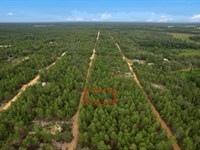
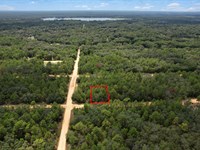
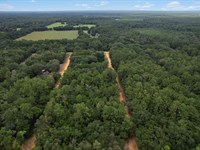
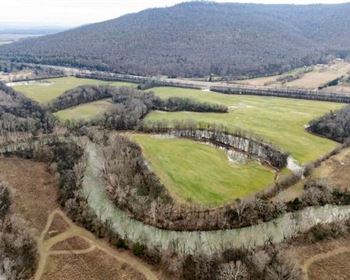
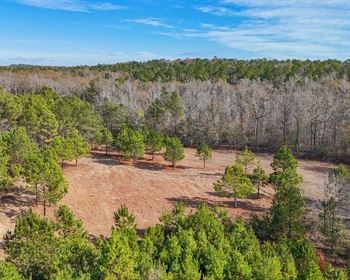
Your Florida homestead starts here - this 0.23-Acre wooded lot in peaceful Interlachen Lakes Estates offers the perfect foundation for country living without leaving modern conveniences behind. Whether you're dreaming of a small farmhouse surrounded by fruit trees, a cozy manufactured home with a big garden, or a simple off-grid cabin where you can finally disconnect and grow your own food, this property gives you the freedom to build your vision on your timeline.
Tucked away in a quiet section of Interlachen Lakes Estates with gentle slope for natural drainage, this parcel provides the seclusion serious homesteaders seek while keeping you close to essential services. With no HOA telling you what you can't plant or how many chickens you can't raise, and flexible zoning welcoming site-built homes, manufactured homes, and tiny houses, you can create the self-sufficient lifestyle you've been planning. The lot's natural tree cover provides shade for summer gardens and privacy from neighbors, while the slope ensures your garden beds drain properly after Florida's afternoon thunderstorms.
From here, you're minutes to Lake Grandin and numerous other freshwater lakes providing fishing protein for your freezer. The Ocala National Forest sits close enough for foraging, hunting, and endless outdoor education for your family. Palatka offers farm supply stores, feed shops, and a thriving homesteader community, while Gainesville provides larger grocery options and farmers markets when you need supplies you can't grow yourself.
This isn't just land - it's your opportunity to step off the treadmill, grow real food, raise small livestock, and build the resilient, self-reliant life that feeds your soul as much as it feeds your family.
We are open to owner financing as well - here is what that would look like:
Cash Price: $8,999
Easy Financing Option:
- Down Payment: $199
- Documentation Fee: $199
- Total Due Today: $398
- Monthly Payment: $199/Month for 60 months
- Loan Term: 5 years
- Note Maintenance Fee: $10/Month (plus prorated taxes)
- Total Monthly: $209/Month
See Info below:
- Total Acreage: 0.23 acres
- Subdivision: Interlachen Lakes Estates
- State: Florida
- County: Putnam
- Zip: 32148
- Address: 153 Romanshorn Street
- Parcel: 09-10-24-4310-0017-0040
- Approximate GPS Coordinates: 29.6255, -81.8952
- Elevation: Approximately 95-105 feet (natural drainage advantage)
- Terrain Type: Gentle slope with wooded tree cover
- Annual Taxes: Approximately $85-95/Year (ultra-low carrying costs.)
- Zoning: Residential (R-1)
--- Site-built single-family homes allowed
--- Manufactured homes permitted (1976 or newer, must meet HUD standards)
--- Tiny homes permitted (must meet Florida Building Code)
--- No minimum square footage for dwellings
--- Accessory structures allowed (sheds, greenhouses, chicken coops)
--- No timeline to build - develop at your pace
- Hoa/Poa: None - NO HOA restrictions on your homesteading activities.
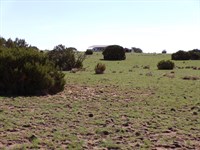
- Improvements: Wooded with native vegetation, natural privacy
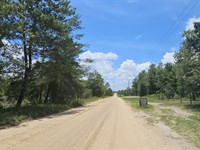
- Access: County-maintained roads, year-round access
- Water: Well required (typical depth 80-150 feet in area)
- Sewer: Septic system required
- Electric: Power nearby - contact Clay Electric Cooperative
- Propane: Available from local providers for cooking, heating, backup power
Note: Information presented in this listing is deemed accurate but not guaranteed. Homesteaders are advised to conduct their own due diligence and verify all details independently with Putnam County.
---
Location And Setting Overview
Gateway to North Florida Homesteading: Nestled in the Interlachen Lakes Estates subdivision of Putnam County, this 0.23-Acre wooded parcel offers the perfect blend of rural tranquility and practical access that modern homesteaders need. Interlachen itself means "between the lakes," and you'll find yourself surrounded by over 28 natural freshwater lakes providing fishing, recreation, and natural beauty. The property sits in a quiet residential area where neighbors value privacy and independence - the kind of community where people wave from their tractors and mind their own business about your backyard chickens.
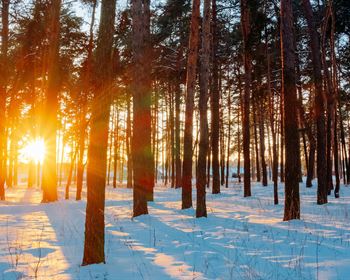
This is real Florida country living, not a manufactured subdivision pretending to be rural. You'll hear roosters crowing in the morning, see deer browsing at dusk, and smell pine trees after rain instead of exhaust fumes and neighbors' dryer sheets. The gentle slope of your lot isn't just aesthetic - it's functional, providing the natural drainage that keeps garden beds from waterlogging during summer rainy season and ensuring your homestead structures stay high and dry.
Strategic Rural Position: Despite the peaceful country setting, you're positioned strategically between essential services. The small town of Interlachen (population around 1,400) sits just 5-10 minutes away, offering a post office, Hitchcock's Market for basic groceries, Dollar General, and a family health clinic. For serious homestead supply runs, Palatka (17 miles east, 20-25 minutes) provides Tractor Supply, hardware stores, feed stores, and veterinary services - everything you need to keep your small farm running. Gainesville (30 miles west, 35-40 minutes) offers larger grocery options, Southern States farm supply, regional farmers markets, and University of Florida Extension Office where you can get free homesteading advice on everything from soil testing to beekeeping.
This positioning is goldilocks for homesteaders: far enough from cities to have true privacy and affordable land, close enough to services that you're not spending your life driving to town. You can run to the feed store for chicken feed in the morning and be back home tending your garden by lunch. When you need specialized supplies or want to sell your excess produce at farmers markets, Gainesville and Palatka are both easy reaches without requiring all-day expeditions.
No HOA Means True Homesteading Freedom: Perhaps the most important feature for homesteaders: absolutely NO HOA or restrictive covenants limiting your agricultural activities. You won't face restrictions on raising chickens, planting gardens, installing greenhouses, keeping beehives, growing food forests, or any of the other essential homesteading activities that Hoa-Controlled subdivisions prohibit. Your neighbors have chickens, gardens, and small livestock - this is a community that understands country living.
Many would-be homesteaders purchase land only to discover HOA restrictions prohibiting the very activities they moved to the country for. Not here. Want to raise a flock of laying hens? Go ahead. Plant fruit trees across your entire lot? No problem. Install a greenhouse for year-round growing? Your choice. Build a tool shed or workshop without architectural review? Absolutely. This freedom is increasingly rare and invaluable for anyone serious about self-sufficient living.
Mild Four-Season Climate Perfect for Growing: North Florida's climate offers genuine advantages for homesteaders compared to both extreme heat of South Florida and harsh winters of northern states. You'll experience mild winters (average lows 40-50°F January-February) where cool-season crops thrive without killing freezes devastating your garden. Spring arrives early (February-March) giving you months of perfect growing weather. Summers are hot and humid (highs 90-95°F) but manageable with shade trees and afternoon thunderstorms providing free irrigation. Fall extends growing season into November-December with warm days and cool nights perfect for establishing fruit trees and perennials.
This climate supports two full growing seasons annually: cool-season crops (lettuce, kale, broccoli, peas, carrots) October through April, and warm-season crops (tomatoes, peppers, squash, beans, okra) April through October. With simple season extension techniques (row covers, cold frames), you can harvest something fresh nearly year-round. The 50-60 inches of annual rainfall (concentrated May-September) means you'll rarely need to irrigate established plants - nature does most of the watering for you.
---
Why This Property Is Perfect For Modern Homesteaders
The Quarter-Acre Advantage: At 0.23 acres, this property hits the sweet spot for small-scale homesteading. It's large enough for everything a family needs - home, garden, small orchard, chicken coop, shed/workshop, and still have yard space for kids to play - yet small enough that one or two people can manage it without requiring full-time farm labor. Many beginning homesteaders make the mistake of buying acreage too large to maintain, becoming overwhelmed by mowing, clearing, and upkeep. This manageable parcel lets you focus energy on productive activities (growing food, raising animals, building skills) rather than endless land maintenance.
Quarter-acre homesteads throughout Florida successfully produce significant portions of family food supply: a well-planned 1,000 sq ft garden can provide vegetables for family of four year-round, a small orchard of 10-15 fruit trees (citrus, peach, persimmon, fig) produces hundreds of pounds of fruit annually, 6-12 laying hens provide eggs for family plus extras to sell or trade, a few dwarf fruit trees or berry bushes can be tucked into every sunny corner, vertical growing on fences and trellises multiplies growing space dramatically, and small-scale aquaponics or container gardens maximize productivity in limited space.
The key is intensive cultivation rather than extensive - using permaculture principles, vertical growing, succession planting, and companion planting to maximize yields from every square foot. This property provides the canvas for that approach.
Putnam County Homesteading Regulations - Know Before You Grow: Understanding local regulations helps you plan confidently. Here's what Putnam County allows for residential homesteading:
Residential Poultry (Chickens, Ducks): Putnam County allows backyard poultry in residential zones with these guidelines - No permit required for small flocks (typically under 25 birds), Hens allowed, roosters generally allowed in rural residential areas (though be considerate of close neighbors), Coops must be kept sanitary and setback at least 25 feet from neighboring dwellings (verify current setbacks with county), and birds must be contained on your property (no free-ranging onto neighboring lots). Realistically on 0.23 acres, a flock of 6-12 hens provides plenty of eggs without overwhelming your space or creating nuisance for neighbors. Chickens also provide pest control (eating bugs), garden fertilizer (manure for compost), and entertainment value that makes them beloved by homesteading families.
Rabbits: Rabbits are generally permitted as they're considered pets/livestock hybrid. They're incredibly efficient protein producers (one breeding trio can produce 200+ pounds of meat annually), require minimal space (stackable hutches work perfectly on small lots), and their manure is fantastic garden fertilizer (can be applied directly without composting unlike chicken manure). Many Florida homesteaders raise rabbits specifically because they're quiet, space-efficient, and produce both meat and fertilizer.
Bees: Beekeeping is allowed in Putnam County residential areas. The Florida Beekeepers Association actively supports backyard beekeeping. Keep hives at least 25 feet from property lines, provide water source so bees don't bother neighbors' pools, and register your hives with Florida Department of Agriculture (free registration helps track bee health statewide). One or two hives provide pollination for your garden (dramatically increasing vegetable and fruit yields), honey for your family (30-60+ pounds annually per hive), and beeswax for candles and salves. Many homesteaders consider bees essential livestock.
Gardens and Landscaping: No restrictions on vegetable gardens, fruit trees, or food forests in residential zones. You can transform your entire lot into food production if desired. Many Interlachen residents have extensive gardens and fruit trees - it's normal here, not unusual. Plant whatever you want: citrus trees, peach and persimmon trees, blueberry bushes, blackberry brambles, vegetable beds, herb gardens, pollinator gardens. The county encourages agriculture and won't bother you about "unapproved landscaping" like suburban HOAs do.
Greenhouses and Hoop Houses: Accessory structures under certain square footage (typically under 100-200 sq ft) don't require building permits. Larger permanent greenhouses require permits but are absolutely allowed. Simple hoop houses and shade structures extend your growing season and protect crops from extreme sun, afternoon storms, and occasional frost. These are essential tools for serious Florida homesteaders.
Rainwater Collection: Legal and encouraged in Florida. Collecting roof runoff in cisterns or rain barrels provides free irrigation water and reduces dependence on well water. A 1,000 sq ft roof can capture 600+ gallons from a 1-inch rain event - during summer rainy season, you'll collect thousands of gallons for garden irrigation.
Composting: No restrictions on backyard composting. Converting kitchen scraps, garden waste, and chicken manure into rich compost is fundamental to sustainable homesteading. Proper composting creates no odor or pest issues while dramatically improving Florida's sandy soils.
Small Livestock Limitations: Putnam County residential zones don't allow larger livestock (goats, sheep, pigs, cattle) on lots under 1 acre. However, 0.23 acres is perfect for the poultry and rabbits that form the backbone of most small homesteads anyway. If you're determined to raise goats or pigs, you'll need to seek larger acreage elsewhere - but honestly, chickens and rabbits provide more practical protein and fertilizer for small-lot homesteading.
The bottom line: Putnam County's regulations are homesteader-friendly. You can raise enough chickens for eggs, keep rabbits for meat, maintain bees for pollination and honey, grow extensive gardens and orchards, and implement sustainable systems like composting and rainwater harvesting - everything essential for self-sufficient living on a small lot.
---
Building Your Homestead - Practical Options
Flexible Housing Choices: The zoning allows site-built homes, manufactured homes (1976 or newer meeting HUD standards), and tiny homes (meeting Florida Building Code). This flexibility lets you match housing to your budget and priorities.
Site-Built Home: Traditional stick-built construction gives you complete customization. Many homesteaders build small (600-1,200 sq ft) to minimize costs and devote resources to land improvements (gardens, orchards, outbuildings) rather than oversized houses. A simple rectangular cottage or cabin can be owner-built or contracted affordably, leaving budget for the homesteading infrastructure that really matters.
Manufactured Home: Modern manufactured homes offer quality construction at substantial savings versus site-built. Double-wides (1,200-1,600 sq ft) provide comfortable family living for $50,000-$80,000 installed. The savings allows investing in well, septic, solar power, greenhouse, livestock infrastructure, and fruit trees - the elements that make homesteading actually work. Many successful homesteaders choose manufactured homes specifically to preserve capital for productive investments rather than expensive custom construction.
Tiny Home: Florida's building code allows tiny homes if they meet structural and safety standards. A well-built tiny house sq ft) minimizes housing costs, reduces energy use, and frees up yard space for gardens and livestock. For solo homesteaders or couples without children, tiny homes make tremendous sense - why heat, cool, and maintain space you don't need when you could be outside tending your garden?
Phased Development Approach: Smart homesteaders develop in phases, spreading costs over time while getting maximum use of the property from day one. A typical phased homesteading timeline might look like:
Phase 1 (Months 1-6): Clear building site and access road, drill well and install basic water system (hand pump or small electric pump), install septic system or temporary composting toilet, place small manufactured home, shed, or RV for temporary housing, establish first garden beds and plant fast-growing vegetables, order fruit trees for fall planting.
Phase 2 (Year 1-2): Build permanent home or upgrade housing, install solar power or grid electric hookup, build proper chicken coop and start laying hen flock, establish orchard (citrus, peach, fig, persimmon), add greenhouse or hoop house for season extension, plant perennial vegetables and herbs, install rainwater collection system, and start composting system.
Phase 3 (Year 2-3): Add rabbit hutches if desired, expand garden areas as you learn what grows best, plant food forest understory (berries, herbs, groundcovers), build workshop/tool shed, install fencing for garden protection (deer, armadillos), and begin bee colonies if interested.
This phased approach prevents overwhelming yourself or your budget. You'll be growing food from the first growing season while gradually building infrastructure. Many homesteaders live in RVs or small temporary structures during Phase 1, saving rent money while developing their land - Putnam County allows temporary RV dwelling during active construction with proper permits.
---
Utility Infrastructure - Your Self-Sufficient Systems
Electric: Power lines run on nearby streets serviced by Clay Electric Cooperative. Connection costs vary with distance but typically run $1,500-$5,000 for homes close to existing lines. Clay Electric is rural cooperative (not-for-profit) known for reasonable rates and good service to members. However, many homesteaders pursuing self-sufficiency choose solar power instead of grid connection.
Solar Power Option: North Florida receives excellent solar resources (average 5+ peak sun hours daily). A typical homestead solar system might include: 3kW solar array with battery storage: $10,000-$15,000 installed (sufficient for efficient tiny home or small cabin), 5-7kW system: $15,000-$25,000 (powers average home with conservation), Hybrid grid-tie with battery backup: Best of both worlds - solar for daily use, grid for backup, batteries for night and cloudy days.
Federal tax credits cover 30% of solar installation costs, and Florida has no state income tax (no state tax credit needed). Solar systems pay for themselves in 8-12 years through eliminated electric bills, then provide free power for decades. For homesteaders wanting true independence, solar is increasingly the practical choice.
Water - Your Well and Rainwater: Like all rural Putnam County properties, you'll drill a well for potable water. Typical well depths in Interlachen area run 80-150 feet, with total costs (drilling, casing, pump, pressure tank, installation) of $4,000-$8,000. The local aquifer provides good quality water, though most homesteaders install simple filtration for drinking water. Your well provides unlimited water for household use, gardens, and livestock - no monthly water bills ever.
Supplement well water with rainwater harvesting: Install gutters on home and outbuildings, direct runoff to cisterns or rain barrels gallon tanks common), use harvested rainwater for garden irrigation, livestock watering, and non-potable uses. During Florida's 6-month rainy season (May-October), you'll capture thousands of gallons of free water.
Many homesteaders install manual hand pumps as well backup, ensuring water access during power outages. A hand pump costs $200-$500 and provides peace of mind that you'll always have water regardless of electricity availability.
Septic System: Required for permanent dwellings. Standard septic systems (tank and drainfield) work well in Florida's sandy soils. Installation costs typically run $5,000-$8,000 depending on system size and exact soil conditions. Properly maintained septic systems last 20-30+ years. Some homesteaders also use composting toilets in workshops or outbuildings, reducing water use and creating additional garden fertilizer.
Propane: Essential for off-grid homesteading or backup to electric systems. Local providers deliver propane to fill tanks on your property. Uses include cooking (propane ranges are preferred by many homesteaders), water heating (on-demand propane water heaters very efficient), space heating if needed on cold winter nights, backup generator fuel, and refrigeration (propane fridges work great off-grid).
A 500-Gallon propane tank installed on property costs approximately $1,500-$2,500 (some companies provide free tank with regular fill contracts). Propane costs fluctuate but typically run $2-3 per gallon. For cooking and water heating in efficient home, 100 gallons can last 6-12 months - very affordable energy.
Internet: Modern homesteaders often work remotely or run online businesses. Options include Starlink satellite internet (high-speed anywhere, $120/Month, equipment $600), cellular hotspots (good signal in Interlachen area from major carriers), or traditional Dsl/Cable if available on your street. Many homesteading YouTubers, bloggers, and remote workers operate successfully from rural Putnam County.
---
Growing Food in North Florida - What Actually Works
The Reality of Florida Homestead Gardening: Florida isn't the Midwest - you can't just till soil, plant seeds, and watch crops appear. Success requires understanding Florida's unique challenges and opportunities: Sandy soil with low organic matter (solution: add compost constantly), intense summer heat and sun (solution: shade cloth, mulch, afternoon-shade planting), heavy summer rains and humidity (solution: raised beds, proper spacing for airflow), year-round pest pressure (solution: integrated pest management, beneficial insects, crop rotation), and mild winters allowing year-round growing (advantage: harvest fresh food 12 months annually).
The learning curve is real, but thousands of Florida homesteaders successfully grow substantial food. The keys are selecting appropriate crops, building soil constantly, using intensive methods, and accepting that you'll fail with some crops while others thrive. Connect with local homesteaders and University of Florida Extension (free resources) to accelerate your learning.
Best Crops for Interlachen Homesteads: Based on climate, soil, and practical homesteading priorities, these crops consistently perform well:
Cool-Season Vegetables (October-April planting): Lettuce, kale, collards, and mustard greens (easy, productive, harvest for months), broccoli, cabbage, and cauliflower (love Florida's mild winters), carrots, beets, and radishes (grow quickly in sandy soil), peas and beans (nitrogen-fixers improving soil), onions and garlic (plant November, harvest May-June), strawberries (perennial in Florida, produce January-April), potatoes (plant February, harvest April-May).
Warm-Season Vegetables (March-September planting): Tomatoes (Florida requires disease-resistant varieties, but they'll produce heavily March-June), peppers (hot and sweet peppers thrive in summer heat), squash and zucchini (fast-growing, prolific producers), cucumbers (grow vertically on trellises to save space), beans (bush and pole beans produce reliably), okra (loves Florida heat, produces all summer), sweet potatoes (excellent storage crop, easy to grow), Southern peas (cowpeas, field peas - heat-tolerant protein source).
Perennial and Long-Season Crops: Citrus trees (oranges, lemons, limes, grapefruit - produce for decades), peach and persimmon trees (great for North Florida), figs (extremely productive, fruit spring and fall), blueberries (rabbiteye varieties for North Florida), blackberries and raspberries (brambles produce for years), herbs (rosemary, oregano, thyme, sage thrive as perennials), chaya (tree spinach - perennial green vegetable), Seminole pumpkin (native Florida heirloom, produces heavily), katuk (perennial vegetable shrub - leaves used like spinach), and moringa (fast-growing tree with edible leaves, pods, seeds).
The Florida Food Forest Concept: Instead of annual vegetable garden requiring constant replanting, many Florida homesteaders create food forests - layered plantings of perennials producing food with minimal maintenance: Overstory: Peach, persimmon, citrus trees providing fruit and shade. Understory: Figs, mulberry, loquat bushes producing fruit in different seasons. Shrub layer: Blueberries, blackberries, Barbados cherry. Herbaceous layer: Chaya, katuk, perennial herbs, ginger, turmeric. Groundcover: Sweet potato, peanut, edible flowers. Vines: Passionflower, grapes on trellises.
Once established, food forests produce abundantly with minimal input - no tilling, little watering (deep-rooted perennials), natural pest control (diverse ecosystem), and harvests across all seasons. This is ideal for homesteaders who want food security without daily garden labor.
Livestock Integration: Your chickens and rabbits integrate beautifully with gardens: Chickens till soil, eat pests, and provide manure for compost - rotate them through garden beds in off-season using chicken tractor (mobile coop). Rabbit manure goes directly on garden beds (doesn't need composting) providing excellent fertilizer. Both animals convert kitchen scraps and garden waste into protein (eggs, meat) - closing your homestead's nutrient loop.
Season Extension Techniques: To maximize production, use simple season extension: Shade cloth (30-50% shade) over summer garden reduces heat stress on plants. Row covers protect crops from frost during occasional cold snaps. Hoop houses (Pvc and plastic) create mini-greenhouses extending spring/fall seasons. Vertical growing on trellises and fences increases growing space dramatically. Container gardens on sunny porch allow growing tomatoes, peppers, herbs in protected location.
Even on 0.23 acres, thoughtful planning can produce hundreds of pounds of food annually - enough to dramatically reduce grocery bills while providing nutritious, fresh, organic produce for your family.
---
Water and Fishing Opportunities
Freshwater Lake Access: While not waterfront property, you're positioned near excellent fishing lakes that can supplement your homestead protein. Lake Grandin (5-10 minutes) offers public access for bass, bluegill, and catfish - bring your rod and catch dinner. Additional lakes throughout Interlachen provide year-round fishing opportunities. Many homesteaders freeze or can fish to preserve for off-season eating.
St. Johns River: About 20-25 minutes east, the legendary St. Johns River (one of few rivers flowing north in North America) offers world-class fishing for largemouth bass, speckled perch (crappie), and catfish. Public boat ramps in Palatka provide free access. River fishing can provide substantial protein for freezer - many homesteaders make monthly fishing trips specifically to stock freezer with fish fillets.
Wild Food Foraging: The surrounding area offers foraging opportunities for wild foods: Blackberries grow wild along roadways and forest edges (May-June). Elderberries found in moist areas (great for syrup, wine). Wild grapes provide fruit in late summer. Poke greens (young shoots only) are traditional Southern green. Cattails in wet areas provide edible roots and shoots. Dandelions (leaves and flowers edible). Spanish moss can be used for mulch and crafts.
Always properly identify plants before eating, and forage only on your property or public lands with permission. Wild foods supplement garden production and connect you to landscape in meaningful way.
---
Hunting and Wildlife
Hunting Opportunities: While your 0.23-Acre lot is too small for hunting, you're positioned near excellent public hunting lands. Etoniah Creek State Forest (15-20 minutes) offers seasonal hunting for white-tailed deer, wild turkey, and small game with proper Florida hunting license and permits. Ocala National Forest (40-45 minutes) provides extensive public hunting opportunities during designated seasons.
Many homesteaders hunt to fill freezers with venison, turkey, and other wild game - providing healthy, organic meat while reducing grocery expenses. A single deer can provide 30-60 pounds of meat (equivalent to $300-$600 of store-bought meat).
Wildlife on Property: Your wooded lot will host abundant wildlife providing natural pest control, garden pollination, and connection to nature: White-tailed deer browse property edges (may require fencing to protect gardens). Wild turkeys forage for insects and seeds. Armadillos till soil searching for grubs (can be nuisance to gardens). Opossums control ticks and pests (beneficial to have around). Various snake species control rodents (mostly harmless species). Countless bird species provide insect control and pollination. Butterflies and bees pollinate gardens and orchards.
Learning to coexist with wildlife is essential homesteading skill. Proper fencing protects gardens while allowing wildlife to inhabit surrounding areas, creating balanced ecosystem supporting your homestead's productivity.
---
Community and Homesteading Resources
Local Homesteading Community: Putnam County hosts growing community of homesteaders, small farmers, and back-to-the-land families. You'll find neighbors eager to share seeds, trade produce, and exchange homesteading knowledge. Local Facebook groups connect homesteaders for advice, sales of chickens or rabbits, and community support.
Farmers Markets: Palatka and Gainesville both host weekly farmers markets where you can sell excess produce, eggs, honey, or crafts once your homestead is producing. Many homesteaders generate supplemental income selling surplus production - turning hobby homesteading into profitable small business.
University of Florida Extension: The Uf/Ifas Extension Putnam County office provides free resources for homesteaders including soil testing (crucial for Florida gardens), gardening classes and workshops, publications on vegetables, fruits, and livestock, Master Gardener program training, and pest identification and organic control methods. Extension agents are incredibly helpful resources for beginning homesteaders.
Feed and Farm Supply Stores: Tractor Supply (Palatka) and local feed stores provide everything you need: chicken feed, rabbit pellets, gardening tools, fencing materials, livestock equipment, seeds and garden supplies, and canning and food preservation equipment. Staff at these stores are often homesteaders themselves providing valuable local knowledge.
Online Resources: Florida homesteading community is active online with blogs, YouTube channels, and forums dedicated to Florida-specific growing conditions. Learning from others' experiences dramatically accelerates your success.
---
Investment and Financial Analysis
Affordable Entry to Land Ownership: At cash price of $8,999 or owner financing for just $398 down and $209/Month, this property represents exceptionally affordable entry into land ownership and homesteading. Compare these costs to alternatives: Renting: Average 2BR apartment in Putnam County runs $900-$1,200/Month - within 5-10 years, you'll spend $54,000-$144,000 on rent with zero equity. Urban home ownership: Median home in nearby areas costs $200,000+ with monthly payments $1,500-$2,000 plus insurance and taxes. Homestead property: Total investment under $10,000 gets you owned land where you can build gradually, grow food immediately, and create equity from day one.
The Low-Cost Homesteading Model: Many successful homesteaders minimize housing costs to invest in productive infrastructure: Purchase land with owner financing (minimal down payment, manageable monthly payments). Place affordable manufactured home or build small cabin (keep housing simple and efficient). Invest savings in well, septic, solar power, fruit trees, gardens, chickens, greenhouse - the infrastructure that actually produces value. Grow significant percentage of family food (vegetables, fruit, eggs, potentially meat from rabbits). Generate small income from surplus production (eggs, produce, honey, value-added products).
This approach can reduce living expenses by 30-50% compared to conventional suburban living while dramatically improving quality of life, health, and resilience.
Ultra-Low Holding Costs: If you're not ready to develop immediately, holding costs are minimal: Annual property taxes approximately $85-95/Year (less than $8/month). No HOA fees ever. Owner financing $209/Month (if using financing option). Total holding cost: approximately $217/Month - less than typical storage unit costs.
You can afford to hold this property while planning, saving for development, or waiting for ideal timing. Unlike properties with high taxes and HOA fees bleeding money monthly, this lot costs almost nothing to own while you prepare.
Future Development and Resale Value: Improved properties command substantially higher values than raw land: Raw lot value: $8,999 (your entry price). Improved lot (well, septic, electric, cleared): $15,000-$20,000. Lot with mobile home/cabin: $40,000-$65,000. Developed homestead (home, gardens, outbuildings, infrastructure): $75,000-$120,000+.
Even modest improvements substantially increase property value. More importantly, a functioning homestead provides quality of life value beyond monetary calculations - fresh food, independence, health, and satisfaction that money can't directly buy.
---
Take Action - Your Homesteading Journey Begins Now
This Is Your Opportunity: This 0.23-Acre wooded lot in Interlachen offers everything beginning homesteaders need: affordable price with ultra-low taxes, no HOA restrictions on agricultural activities, homesteader-friendly zoning allowing chickens, rabbits, and gardens, manageable size for one or two people to develop, gentle slope for natural drainage, wooded privacy with buildable clearing, proximity to essential services without suburban congestion, and owner financing making ownership accessible to anyone serious about homesteading.
Whether you're burned out from city life, worried about food security, seeking healthier lifestyle for your family, wanting to reduce living expenses, dreaming of self-sufficient living, or simply craving connection to land and seasons - this property can make it happen.
Why Wait? Every month you delay is another month paying rent to landlord or mortgage to bank instead of investing in your own land. It's another month buying expensive grocery store produce instead of harvesting from your garden. It's another month trapped in suburban sameness instead of living the life you actually want.
For $398 down and $209/Month - less than most people spend on car payments or eating out - you can own this land and start building your homestead immediately. Plant fruit trees this fall. Start a garden this spring. Raise chickens by summer. By this time next year, you could be harvesting tomatoes from your garden, collecting eggs from your hens, and sitting on your porch watching the sunset over your own land.
Simple Next Steps: Review this listing carefully - reread sections about zoning, growing, and homesteading regulations. Contact us with questions - we're here to help you understand exactly what's possible on this property. Visit the property if possible using provided GPS coordinates and directions below. Decide between cash purchase ($8,999) or owner financing ($398 down, $209/Month). Reserve your homestead today - process completes in 1-2 days, then the land is yours.
100-Day Guarantee: We're so confident you'll love this property that we offer 100-Day satisfaction guarantee. If you change your mind within 100 days of purchase for any reason, we'll refund your principal payment or help you exchange for another Wild Domain Land property. This guarantee eliminates downside risk - you have over three months to visit the property, research your homesteading plans, and confirm this is the right choice before fully committing.
Your Florida Homestead Awaits: Imagine one year from now: You're sipping morning coffee on your porch, watching chickens scratch in the yard while you plan the day's garden work. You walk to your garden and harvest tomatoes, peppers, and lettuce for lunch - food you grew with your own hands. You collect fresh eggs from your hen house. You check fruit trees you planted last fall, already showing new growth. Your well provides unlimited water. Your solar panels power your efficient home. Your freezer holds fish from last week's St. Johns River trip and rabbit meat from your backyard hutches.
Most importantly, you're building something real - not working to make someone else rich, not trapped in suburbs surrounded by strangers, not dependent on fragile systems beyond your control. You're creating resilience, health, and independence for yourself and your family.
This isn't a fantasy - it's the reality thousands of Florida homesteaders live daily. The only question is: will you join them?
Start living wild - your homesteading journey begins today.
---
Information provided is deemed reliable and gathered from local sources, county records, and experienced Florida homesteaders, but buyers should perform their own due diligence. Property details including zoning, allowable agricultural uses, and building requirements were accurate at listing time but may change. Contact Putnam County Planning & Development, University of Florida Extension, and local homesteaders to verify regulations and learn best practices. We're here to guide you through smooth purchase and answer questions about homesteading on this property. Your success is our priority.
Land Maps & Attachments
Directions to Land
Directions to Land
FROM PALATKA (approximately 25 minutes, 17 miles):
Take FL-20 W toward Interlachen for approximately 14 miles. Turn right onto County Road 315 N and follow for 2.5 miles. Turn left onto Fowler Street, then right onto Romanshorn Street. The property will be on your left. GPS: 29.6255, -81.8952
FROM GAINESVILLE (approximately 35-40 minutes, 30 miles):
Take FL-20 E toward Interlachen for approximately 28 miles. Turn left onto County Road 315 N and follow for 2.5 miles. Turn left onto Fowler Street, then right onto Romanshorn Street. Property on left. GPS: 29.6255, -81.8952
FROM INTERLACHEN (approximately 10 minutes):
Head east on Washington St toward Tropic Ave. Turn right onto S County Rd 315 and continue approximately 2 miles. Turn left onto Fowler Street, then right onto Romanshorn Street. Property on left. GPS: 29.6255, -81.8952
More Land Details
Land Price History
More Land from Collin Pettet
 0.5 AC : $18K
- 0.2 AC : $9K
- 4.9 AC : $9K
- 5.1 AC : $12.5K
- 0.2 AC : $9K
- 0.2 AC : $9K
- 1 AC : $8.5K
- 3.1 AC : $18.9K
- 5 AC : $7.5K
- 2.1 AC : $14.9K
- New5.3 AC : $15K
- New5.1 AC : $17.5K