Build on 5.2 Acres with MT Views
Fort Garland, CO 81133
Costilla County, Colorado
Land Description
Your 5.2-Acre Colorado Mountain Sanctuary in Historic Sangre de Cristo Ranches
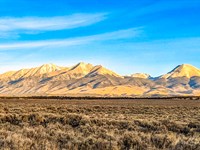
Long before this land was platted into five-acre ranch lots, passengers rolled through this valley by rail, watching the Sangre de Cristo Mountains rise out of the floor of the San Luis Valley. The historic Denver and Rio Grande line ran just south of this 5.2-Acre parcel, following the same view corridor that made this route famous. From your ground, you're looking out over the same open valley and mountain backdrop people once paid to see from dome cars.
Although the rail corridor remains, the trains no longer run. The Rio Grande Scenic Railroad closed in 2019, so the line is completely quiet today. No freight rumble, no horns, no scheduled traffic. What it leaves behind is the best part of a scenic railway: a clean, unobstructed view path carved across the valley floor. From this property you're looking out over the same striking panorama that made those excursions popular. Long, open sightlines, big sky, and the mountains rising sharply to the east.
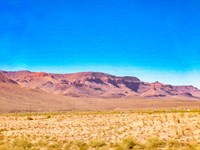
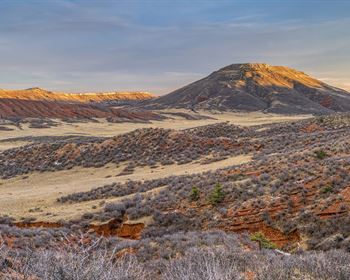
The property itself is shaped for views. The western half is a broad, more level bench at roughly 7,900 feet. A natural spot for a cabin, small home, or well-set-up camp. From there, the land falls away to the east in a rocky slope, opening up a long look across the Sangre de Cristo Creek drainage and out toward the ridgelines. Flat terrain and views of Blanca to the north (a 14,000 foot peak), and scattered pinyon on the south side, as the property rolls down to stunning views of the Sangre De Cristo Mountain Range.
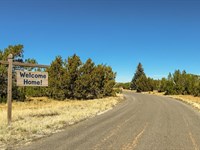
Access is via Stuempfig Road, a county-maintained dirt road that gets you from Fort Garland out into the Sangre de Cristo Ranches without feeling remote for the sake of being remote. Use the property as a private base for hunting, hiking, and exploring back roads, or take your time designing a simple full-time home.
Property Details:
Subdivision: Sangre de Cristo Ranches
State: Colorado
County: Costilla
Size: 5.208 acres
Parcel: 70264510
Legal Description: Lot 2845 of Block 165 of Sangre de Cristo Ranches, Unit U, County of Costilla, State of Colorado
GPS Coordinates: 37.4473, -105.3517 (NW corner)
Annual Taxes: Approximately $150.64 per year
Zoning: Estate Residential
HOA: None
Improvements: None
Access: Stuempfig Road (county-maintained)
Water: Well or cistern
Sewer: Septic system required
Utilities: Off-grid solutions (solar, wind, propane)
Building Information:
Site-built homes require 600 square foot minimum for single-story, 800 square feet for two-story
Mobile homes allowed (1976 or newer)
Camping permitted 14 days every 3 months without permit
Temporary RV occupancy permit available up to 180 days with well permit or cistern and septic installed
Contact Costilla County Planning and Zoning for questions
Information presented in this listing is deemed accurate but is not guaranteed. Buyers are advised to conduct their own due diligence and verify all details independently.
---
Location And Setting Overview
- Gateway to the Sangre de Cristo Mountains: This 5.2-Acre parcel sits in one of Colorado's most dramatic geographic settings. The Sangre de Cristo Ranches subdivision occupies the eastern slope of the San Luis Valley, where the flat valley floor begins its climb toward the towering peaks that form the valley's eastern wall. Your property rests at approximately 7,900 feet elevation, positioned on the transition zone between open rangeland and mountain foothills. This location gives you the best of both worlds. You have the expansive views and accessibility of the valley floor combined with the privacy and terrain features of the foothills.
- Historic Fort Garland Proximity: The town of Fort Garland lies just six miles to the west along Highway 160. This small community serves as your gateway to services and supplies while maintaining the rural character that drew you here in the first place. Fort Garland offers a general store with groceries and hardware, a couple of local restaurants serving southwestern fare, fuel stations, and the famous Fort Garland Museum. The museum preserves the 1858 military outpost where Kit Carson served his final command. Having Fort Garland nearby means you can grab essentials without driving all the way to Alamosa, yet you still enjoy the peace and solitude of your mountain property.
- Stuempfig Road Access: Your property fronts Stuempfig Road, a county-maintained dirt road that provides year-round access from Fort Garland into the heart of Sangre de Cristo Ranches. The county grades this road periodically and plows it during winter months when necessary. You can reach your property in a standard vehicle during good weather, though a truck or SUV with decent clearance serves you better during mud season or after heavy snow. The road follows a logical route from the highway through the subdivision, making it easy to give directions to visitors or delivery drivers.
- Terrain That Works For You: The property's natural contours create distinct zones perfect for different uses. The western portion sits on a relatively level bench, ideal for placing a home, cabin, or camp setup. This flat area gives you room to work with when designing your building site and positioning outbuildings. Moving eastward, the terrain drops away in a rocky slope that opens up dramatic views across the Sangre de Cristo Creek drainage. This natural grade change means you could design a home with a walkout basement on the lower level, giving you extra square footage and direct access to views that most properties simply cannot offer.
- Pinyon Pine Character: Scattered pinyon pines dot the southern portion of your acreage, providing natural wind breaks and visual interest without creating a dense forest that blocks views. These hardy evergreens have adapted to this high desert environment over centuries, their twisted trunks and fragrant needles adding authentic southwestern character to the landscape. In autumn, pinyon jays flock to harvest pine nuts from the cones, creating entertainment right outside your door. The partial tree cover also provides natural screening from neighboring properties while leaving most of your land open for building and recreation.
- Mountain Views That Define the Property: The eastern orientation of this parcel delivers what most people imagine when they dream of Colorado mountain property. Blanca Peak rises to the north, its 14,345-Foot summit often snow-capped well into summer. This massif dominates the horizon and serves as your daily landmark. To the east and southeast, the main spine of the Sangre de Cristo Range stretches toward the horizon, peak after peak creating a sawtooth skyline. The morning sun illuminates these mountains first, casting alpenglow across the peaks while your property still rests in shadow. Evening light paints the summits in shades of pink and orange that gave the range its name, Sangre de Cristo meaning Blood of Christ in Spanish.
- San Luis Valley Context: Your property occupies a privileged position within the larger San Luis Valley, the largest alpine valley in North America. This 8,000 square mile expanse sits at roughly 7,500 feet elevation on the valley floor, surrounded by mountain ranges that rise another 6,000 to 7,000 feet above. The valley's size and high altitude create unique conditions. You experience roughly 300 days of sunshine annually, low humidity year-round, and the kind of clear air that lets you see for fifty miles on an average day. The valley has attracted settlers for centuries, from the Ute people who hunted here for thousands of years to the Spanish colonists who established permanent settlements in the 1850S.
- Regional Connectivity: While your property offers genuine seclusion, you remain connected to the regional network of towns and services that make full-time mountain living practical. Alamosa, the commercial hub of the San Luis Valley, lies about 35 miles northwest. There you find Walmart, Safeway, Home Depot, medical facilities including San Luis Valley Regional Medical Center, and Adams State University. The historic town of San Luis, Colorado's oldest continuously occupied settlement, sits about 18 miles south. Taos, New Mexico, with its art galleries, restaurants, and ski resort, lies roughly 60 miles to the south. This network of communities means you can stock up on supplies, handle medical appointments, and enjoy cultural activities without excessive driving.
---
Recreational Opportunities
- Fourteen Thousand Foot Peaks At Your Doorstep: The Sangre de Cristo Range contains more fourteeners than any comparable stretch of the Rocky Mountains, and your property puts you at the base of this climbing paradise. Blanca Peak, visible from your land, ranks as Colorado's fourth highest summit at 14,345 feet. The standard route climbs roughly 7,500 vertical feet over seven miles, a full day's effort that rewards you with views across three states. Little Bear Peak, Ellingwood Point, and Mount Lindsey cluster nearby, allowing experienced mountaineers to bag multiple summits in a single trip. Further north, Kit Carson Peak, Challenger Point, Crestone Peak, and Crestone Needle offer technical climbing challenges that draw serious alpinists from around the world.
- Great Sand Dunes National Park: One of America's most unique landscapes lies just 25 miles north of your property. The Great Sand Dunes rise 750 feet above the valley floor, the tallest dunes in North America piled against the base of the Sangre de Cristo Range. Sandboarding and sand sledding draw visitors year-round, while Medano Creek creates a seasonal beach experience during late spring snowmelt. The park also encompasses alpine lakes, forested mountains, and vast wetlands that support incredible biodiversity. Your proximity means you can visit for a morning hike and return home for lunch, or camp overnight under some of the darkest skies in the country.
- Backcountry Exploration: The Sangre de Cristo Wilderness encompasses over 220,000 acres of protected backcountry directly accessible from the foothills near your property. More than fifty alpine lakes dot this wilderness, many holding populations of trout that see few anglers throughout the season. Trail networks connect the lakes and peaks, allowing multi-day backpacking trips through some of Colorado's most dramatic terrain. The wilderness designation means no motorized vehicles, no mountain bikes, just you and the mountains the way early explorers experienced them. Day hikes range from gentle valley walks to strenuous peak attempts, giving you options for every fitness level and time constraint.
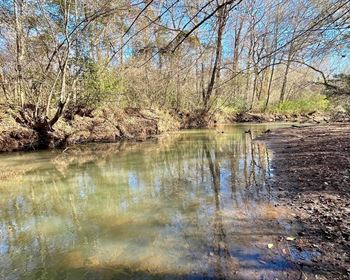
- Fishing Waters Within Easy Reach: Mountain Home Reservoir lies about 25 miles northwest, offering 19,500 acre-feet of water stocked regularly with rainbow and brown trout. Boat launches and primitive camping make this an ideal weekend destination when you want to spend time on the water. Sanchez Reservoir, roughly 30 miles south, provides similar opportunities with the addition of northern pike and walleye. For stream fishing, the Rio Grande runs through the valley about 15 miles west, its gold medal waters holding wild brown trout that challenge experienced fly anglers. Closer to home, Sangre de Cristo Creek drains the mountains east of your property, supporting native Rio Grande cutthroat trout in its upper reaches.
- Winter Sports Access: Wolf Creek Ski Area sits about two hours southwest, famous for receiving over 430 inches of snow annually, more than almost any resort in Colorado. The deep powder and relatively uncrowded slopes make Wolf Creek a favorite among locals who know the secret. Closer to home, the mountains behind your property offer backcountry skiing and snowshoeing opportunities for those willing to earn their turns. Cross-country skiing on the valley floor provides gentler exercise when you want to stay closer to home. The abundant sunshine means many winter days feel surprisingly warm despite cold temperatures, perfect for outdoor activities.
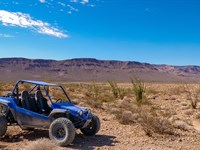
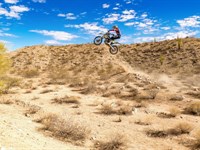
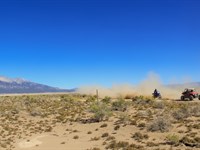
- OHV and Back Road Adventures: Thousands of miles of unpaved roads crisscross the San Luis Valley and surrounding mountains, creating an endless network for Atv, Utv, and four-wheel-drive exploration. Forest Service roads climb into the Sangre de Cristos, accessing trailheads, old mining sites, and viewpoints that few tourists ever see. The valley floor itself contains countless two-tracks and ranch roads open to public travel, perfect for evening rides when you want to cover ground and spot wildlife. Your property serves as an ideal base camp for these adventures, giving you a place to unload equipment and prepare for the next day's exploration.
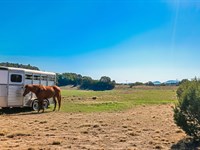
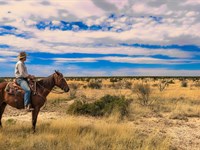
- Horseback Riding Country: The open terrain and public land access around your property create perfect conditions for horseback riding. Whether you keep your own horses or arrange rides with local outfitters, the possibilities stretch in every direction. Ride across sagebrush flats watching for antelope, climb into the foothills through pinyon-juniper woodlands, or follow creek drainages toward the high peaks. The historic ranching culture of the San Luis Valley means equestrian traditions run deep here, and you will find farriers, veterinarians, and feed suppliers throughout the region.
- Photography and Stargazing: The combination of dramatic landscapes, diverse wildlife, and minimal light pollution makes this region a photographer's paradise. Sunrise on the Sangre de Cristos, afternoon thunderstorms building over the peaks, wildlife silhouettes against golden grass, the opportunities never end. Night brings perhaps the most spectacular show of all. Your property sits in a Bortle Class 2-3 dark sky zone, among the darkest skies remaining in the continental United States. The Milky Way arches overhead in stunning detail, meteor showers blaze across the heavens, and the simple act of looking up becomes an unforgettable experience.
- Hot Springs and Relaxation: Several natural hot springs dot the San Luis Valley, offering mineral-rich soaking after long days in the mountains. Some remain undeveloped, requiring a hike to reach their primitive pools. Others have been developed into resorts with multiple pools, lodging, and spa services. After a day of hiking, skiing, or exploring, few experiences compare to soaking in naturally heated water while watching stars emerge over the mountains. The springs range from 20 minutes to two hours from your property, giving you options for quick evening visits or full day excursions.
---
Wildlife And Hunting
- GMU 83 Premier Hunting Territory: Your property sits within Game Management Unit 83, one of Colorado's most productive big game units. The Trinchera elk herd, estimated at over 16,000 animals, roams this region, creating exceptional hunting opportunities. This herd ranks among the largest in Colorado, and the unit consistently produces trophy-class bulls. Hunters travel from across the country to pursue elk in GMU 83, drawn by success rates that exceed state averages and the chance at truly impressive animals. Owning property within the unit gives you a base camp advantage that visiting hunters simply cannot match.
- Elk Hunting Excellence: Elk season in GMU 83 begins with archery in early September, when bulls are actively bugling and responding to calls. The rut brings bulls out of their summer hiding spots, making September the most exciting time to hunt. Muzzleloader season follows in mid-September, offering a more primitive hunting experience during the tail end of the rut. Rifle seasons run through October and November, with multiple season structures allowing hunters to choose dates that fit their schedules. The diverse terrain around your property, from open valley floor to timbered foothills, gives you options for different hunting strategies and conditions.
- Mule Deer Abundance: Mule deer thrive throughout Costilla County, their populations healthy and well-managed by Colorado Parks and Wildlife. Bucks grow impressive antlers in this high-country habitat, with mature animals regularly reaching the 160 to 180 class that serious deer hunters prize. You will see deer regularly on or near your property, especially during dawn and dusk when they move between bedding and feeding areas. The rocky slopes and pinyon-juniper habitat on your land provide exactly the cover and browse that mule deer prefer, meaning you may find yourself watching deer from your porch on a regular basis.
- Pronghorn Antelope on the Flats: The open grasslands of the San Luis Valley support healthy pronghorn populations, and these fleet-footed animals can be spotted from many vantage points near your property. Pronghorn hunting requires different tactics than elk or deer, typically involving spot-and-stalk approaches across open terrain. Securing a pronghorn tag requires entering the draw system, but success rates remain reasonable for hunters willing to put in applications over multiple years. Even if you never hunt them, watching pronghorn race across the valley at speeds exceeding 55 miles per hour provides entertainment that never gets old.
- Sangre de Cristo Ranches Greenbelt Access: The original developers of Sangre de Cristo Ranches set aside over 5,000 acres as common greenbelt land for property owners. This shared acreage provides additional hunting and recreation space beyond your individual parcel. Property owners can hunt, hike, and explore this greenbelt area, effectively expanding your usable land by thousands of acres. This arrangement harkens back to the communal land use traditions of the original Spanish land grants, where settlers shared access to common resources. Few subdivisions anywhere in Colorado offer this kind of shared recreational acreage.
- Upland Bird Opportunities: Wild turkeys roam the foothills and creek bottoms throughout the region, their populations strong enough to support both spring and fall hunting seasons. Spring gobbler season brings the excitement of calling in a big tom, while fall hunts allow either-sex harvest. Blue grouse inhabit the higher elevation forests, providing challenging shooting for those willing to hike into their habitat. Mourning doves pass through during September migrations, and various duck species use the valley's wetlands and reservoirs during waterfowl seasons.
- Predator Hunting Year-Round: Coyotes have no closed season in Colorado, meaning you can hunt them whenever you have time. Their evening howls echo across the valley regularly, and predator calling can bring them running on winter mornings when their pelts are prime. Bobcats also inhabit the region, though their secretive nature makes sightings rare. Mountain lions roam the mountains to the east, occasionally venturing down into the foothills. Lion hunting requires special permits and typically involves working with houndsmen who maintain trained packs.
- Daily Wildlife Viewing: You do not need to hunt to enjoy the wildlife around your property. Elk herds move through the area during spring and fall migrations, sometimes numbering in the hundreds. Mule deer browse near property boundaries at dawn and dusk. Golden eagles soar on thermal updrafts, scanning for rabbits and prairie dogs. Red-tailed hawks perch on fence posts along the roads. Coyotes trot across open ground in broad daylight when they feel secure. Prairie dog colonies provide endless entertainment as the rodents stand sentinel and bark warnings. This daily wildlife show comes free with property ownership, a benefit that never diminishes no matter how long you live here.
- Raptor Abundance: The San Luis Valley lies beneath major migratory flyways, bringing diverse raptor species through the region during spring and fall. Golden eagles reside year-round, their massive nests visible on cliff faces in the foothills. Bald eagles winter along the Rio Grande and near larger reservoirs, fishing for trout and scavenging carcasses. Red-tailed hawks seem to occupy every other fence post during certain seasons. Northern harriers cruise low over grasslands hunting voles. Prairie falcons and American kestrels add their acrobatics to the aerial show. Owls take over at night, great horned owls hooting from pinyon perches while smaller species hunt silently for mice.
- Wildlife Management and Conservation: Colorado Parks and Wildlife actively manages game populations throughout GMU 83, using harvest data, population surveys, and habitat assessments to set season dates and tag numbers. This scientific management ensures healthy wildlife populations for future generations while providing quality hunting experiences today. The large private ranches in the area, including the historic Trinchera Ranch, maintain habitat that benefits wildlife across the entire region. Your property exists within this well-managed ecosystem, benefiting from conservation efforts that extend far beyond your boundary lines.
Historical Significance
- Where Colorado History Began: Costilla County proudly claims the title "Where Colorado Began," and your property sits in the heart of this historically significant region. Spanish explorers reached this valley as early as 1694, when Don Diego de Vargas led expeditions through the San Luis Valley more than 80 years before the American Revolution. The landscape you see from your property looks much as it did when those first European explorers gazed upon these same mountains, marveling at the dramatic peaks and vast open spaces that still define the region today.
- Fort Garland Military Heritage: Just six miles west of your property stands Fort Garland, established in 1858 as a United States Army outpost on the wild frontier. The fort protected settlers in the San Luis Valley and maintained peace with the Ute Indians who had called these mountains home for centuries. Kit Carson, the legendary frontiersman, scout, and soldier, served as the fort's commandant from 1866 to 1867, making it his final military post before his death in 1868. Carson negotiated with Ute leaders from this very fort, working to establish peaceful coexistence between Native Americans and the flood of settlers arriving in the valley. Today the fort operates as a museum where you can walk through original adobe buildings, view artifacts from the frontier era, and learn about the diverse peoples who shaped this region.
- Buffalo Soldiers Legacy: Fort Garland holds special significance as a duty station for the Buffalo Soldiers, the African American cavalry troops who served with distinction on the western frontier. The 9th Cavalry stationed troops at Fort Garland during the 1870S, and these soldiers played crucial roles in patrolling mountain passes, escorting settlers, and maintaining order in a lawless land. The museum preserves their story through exhibits featuring uniforms, weapons, and personal accounts that bring this important chapter of American history to life. Living on land where these brave soldiers once patrolled connects you to a proud military heritage.
- Spanish Colonial Roots: The town of San Luis, located about 18 miles south of your property, holds the distinction of being Colorado's oldest continuously inhabited town. Hispanic settlers from Taos established San Luis in 1851, bringing with them the Spanish colonial traditions that still define the region's culture. These settlers laid out their town around a central plaza in the classic Spanish style, built adobe structures that still stand today, and established the acequia irrigation system that continues to water crops more than 170 years later. The Sangre de Cristo Land Grant, under which these settlers arrived, created a system of communal land use that influenced how the entire region developed.
- Ancient Native American Presence: Long before Spanish or American settlers arrived, the San Luis Valley served as homeland and hunting ground for Native American peoples. The Ute roamed these mountains for centuries, following elk and deer through seasonal migrations and establishing camps along the valley's creeks and rivers. Archaeological evidence indicates human presence in this valley extending back more than 10,000 years, with artifacts including projectile points, pottery fragments, and petroglyphs discovered throughout the region. Blanca Peak, visible from your property, holds sacred significance for the Navajo Nation as Sisnaajiní, the sacred mountain of the east marking the boundary of their traditional homeland.
- Denver and Rio Grande Railroad Heritage: The historic rail corridor running just south of your property tells the story of how the railroad transformed the American West. The Denver and Rio Grande Railroad pushed narrow-gauge tracks over La Veta Pass and into the San Luis Valley during the late 1870S, connecting this remote region to national markets for the first time. Fort Garland became a stop on this line, bringing commerce and travelers through the very landscape you now call home. The railroad made ranching profitable by providing transportation for cattle, and it opened the valley to settlers who arrived by rail seeking new opportunities. Though the trains no longer run, the corridor preserves this transportation heritage.
- Land Grant Traditions: The Sangre de Cristo Land Grant, one of the largest Mexican land grants in American history, shaped how people used and shared land throughout this region. Under the land grant system, settlers received individual parcels for homes and farming while sharing access to common lands for grazing, timber harvesting, and hunting. Some descendants of original land grant families still exercise traditional rights on certain lands in the Culebra Range. This heritage of shared land use influenced the design of Sangre de Cristo Ranches itself, where the developers set aside over 5,000 acres as common greenbelt for all property owners to enjoy.
- Mining History in the Mountains: The mountains rising east of your property witnessed their own chapter in Colorado's mining history. Prospectors scoured the Sangre de Cristos during the 1858 gold rush and subsequent silver booms, establishing small mining camps in remote canyons. The Grayback Mining District operated in Costilla County, and geological surveys documented 48 mines throughout the county ranging from small prospect holes to significant operations. Remnants of this era still dot the high country, including collapsed cabin ruins, rusting equipment, and tailings piles slowly returning to nature. Recreational prospecting remains legal on your own property, connecting you to 150 years of treasure-seeking tradition.
- Los Caminos Antiguos Scenic Byway: The Los Caminos Antiguos Scenic Byway, whose name translates to "The Ancient Roads," winds through Costilla County connecting historic sites and communities. This designated scenic route follows paths first established by Spanish traders and missionaries, later used by American settlers and soldiers. Driving the byway takes you past Fort Garland, through San Luis, and to numerous historic churches, plazas, and landmarks. Interpretive signs along the route explain the cultural and historical significance of each site, creating a self-guided tour through centuries of human history in this remarkable valley.
---
Building And Development Options
- Sangre de Cristo Ranches Covenant Requirements: Building on your property follows the protective covenants established when Sangre de Cristo Ranches was originally developed. These covenants require a minimum of 600 square feet of habitable floor space for single-story homes and 800 square feet for two-story structures. These minimums apply to the main living area and exclude basements, porches, and garages from the calculation. The covenants also establish setback requirements of 30 feet from any road boundary and 25 feet from other property lines. These reasonable guidelines ensure that all development maintains the rural character that makes this subdivision attractive while still providing flexibility for diverse building approaches.
- Site-Built Home Freedom: You have complete freedom to design and build a custom home that matches your vision for mountain living. Whether you dream of a traditional log cabin, a modern energy-efficient design, a southwestern adobe-style home, or a practical ranch house, the choice belongs to you. The level bench on the western portion of your property provides an ideal building site with room for the main structure plus outbuildings. The eastward slope opens possibilities for walkout basement designs that capture views while adding square footage. No architectural committee reviews your plans or dictates your color choices. Once you meet the basic covenant requirements and obtain county permits, you build what you want.
- Manufactured and Modular Home Options: The covenants permit manufactured homes built in 1976 or newer, providing an affordable path to establishing your residence. Modern manufactured homes bear little resemblance to the mobile homes of decades past. Today's units feature quality construction, energy-efficient systems, and attractive designs that blend seamlessly with site-built homes. Modular homes offer another option, arriving in sections that are assembled on-site to create permanent structures indistinguishable from conventional construction. Either approach lets you establish a comfortable home more quickly and often more affordably than traditional building methods.
- Accessory Structures Without Limits: Beyond your main residence, the covenants allow ancillary buildings with no minimum size requirements as long as they complement the principal structure. This means you can build garages, workshops, barns, storage buildings, greenhouses, and other outbuildings as your needs dictate. Many property owners construct a sturdy outbuilding first, using it to store tools and materials while they work on their main home. Others build detached garages large enough to shelter vehicles, ATVs, and recreational equipment from the elements. The flexibility to add structures over time lets you develop your property at your own pace.
- No HOA Restrictions or Fees: Sangre de Cristo Ranches has no mandatory homeowners association collecting dues or enforcing aesthetic standards. A voluntary property owners association exists primarily as a community group, but membership remains optional and carries no enforcement powers. This means no monthly or annual fees eating into your budget, no surprise assessments for shared amenities you may never use, and no busybody neighbors reporting you for parking your truck in the wrong spot. Your land, your rules, your freedom.
- County Permit Process: Costilla County maintains a straightforward permitting process designed to ensure safe construction without excessive bureaucracy. You will need a land use permit to establish residential use, building permits for structures, a septic permit, and a well permit from the state if you drill for water. The Planning and Zoning Department in San Luis works with property owners to navigate these requirements, and staff members are accustomed to helping first-time builders understand the process. Permits ensure your construction meets basic safety codes, protecting your investment and your family. The county office is open Monday through Thursday.
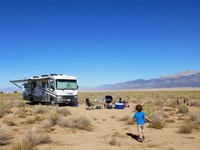
- RV and Camping During Development: While you plan and build, the county allows you to use your property recreationally. You can camp for up to 14 days within any three-month period without any permit at all. This gives you roughly 56 days per year to enjoy your land, test different building sites, and experience conditions across different seasons. For longer stays during active construction, the county offers temporary RV occupancy permits lasting up to 180 days. These permits require that you have a permitted well or installed cistern and an approved septic system or waste management plan. The permit costs $250 and comes in 60-day increments, renewable while you make progress on your permanent home.
- Construction Timeline Flexibility: Unlike developments that require you to build within a set timeframe, Sangre de Cristo Ranches places no deadline on construction. The covenants do require that once you begin construction on any structure, you complete that specific structure within one year. But you face no pressure to start building at all. You can hold your property for years, visiting occasionally and planning your eventual build while paying minimal property taxes. Many owners purchase land decades before retirement, secure in knowing their mountain retreat waits for them when the time is right.
- Septic System Requirements: Any permanent residence requires an approved septic system meeting state and county health standards. The covenants specifically require that no sewage disposal system be constructed without approval from public health agencies and the original declarant or their successors. In practice, this means working with a licensed installer to design a system appropriate for your soil conditions. The McGinty fine sandy loam that characterizes much of the area typically provides excellent drainage for conventional septic systems. A standard system runs between $5,000 and $8,000 installed, a one-time investment that eliminates monthly sewer bills forever.
- Building Resources and Contractors: The growth of development throughout Costilla County and the broader San Luis Valley has created a network of contractors familiar with building in this environment. Well drillers, septic installers, electricians experienced with solar systems, and general contractors all serve the area. Alamosa provides building supply stores including Home Depot and local lumber yards. The county Planning and Zoning office often maintains informal lists of licensed contractors who work in the area regularly. You are not pioneering unknown territory when you build here. Hundreds of homes have risen throughout the subdivision, proving that construction is practical and achievable.
---
Off-Grid Living Potential
- Energy Independence Through Solar Power: The San Luis Valley boasts some of the strongest solar resources in the entire United States, and your property sits perfectly positioned to harness this free energy. With roughly 300 sunny days annually and high altitude that increases panel efficiency, solar power systems here outperform installations in most other regions. A properly sized solar array with battery storage can provide all the electricity a modern household needs, running refrigerators, lights, power tools, computers, and entertainment systems without any monthly utility bills. The upfront investment in solar equipment pays for itself over time through eliminated electric bills, and you gain the security of energy independence that no grid-connected home can match.
- Wind Power Supplementation: Average wind speeds of 10 to 12 miles per hour across your property provide supplemental power generation potential. Small wind turbines work particularly well in combination with solar systems, generating electricity during cloudy periods or at night when solar panels rest idle. The spring winds that sweep across the valley can spin a turbine steadily for days, banking power in your battery system for calmer periods. Many off-grid homeowners find that combining solar and wind creates a more reliable power supply than either source alone, with the two technologies complementing each other across seasons and weather patterns.
- Water Independence Options: Securing water on your property typically means drilling a domestic well or installing a cistern system with hauled water. Well depths in the Sangre de Cristo Ranches area vary depending on location, with some wells hitting water at 100 to 150 feet while others require drilling deeper. The state issues well permits for domestic use that cover household needs, garden irrigation, and watering limited livestock. Alternatively, cistern systems provide a lower upfront cost option. A 1,500 to 2,500 gallon storage tank supplies a household for weeks between fill-ups, and water delivery services operate throughout the valley. The Alamosa Water Department sells water for approximately $2.50 per 500 gallons, making hauled water surprisingly affordable for those who prefer this approach.
- Waste Management Solutions: Off-grid living requires an approved septic system for permanent residency, and the soil conditions on your property support conventional system designs. The McGinty fine sandy loam drains well, meaning effluent percolates properly through leach fields without the problems that plague clay soils. Installation costs typically run $5,000 to $8,000 for a standard system sized for residential use. Once installed, a septic system requires only periodic pumping every few years, a minimal maintenance burden compared to the monthly sewer bills urban residents pay. Some off-grid homeowners also explore composting toilet options for outbuildings or as supplements to conventional systems.
- Propane for Heating and Cooking: Most off-grid homes in the San Luis Valley use propane for heating, cooking, and backup power generation. Propane delivery services cover the entire region, filling tanks that store enough fuel for months of use. A properly sized propane tank and efficient appliances can heat your home through winter, fuel your stove and oven, run a backup generator during extended cloudy periods, and power a propane refrigerator if you prefer not to rely entirely on electricity. The combination of solar power for most electrical needs and propane for heating and cooking creates a resilient system that handles whatever conditions Colorado throws at you.
- Modern Connectivity in Remote Settings: Living off-grid no longer means living disconnected. Satellite internet services, particularly Starlink, now provide high-speed broadband to any location with a clear view of the sky. Download speeds exceeding 100 megabits per second support video conferencing, streaming entertainment, remote work, and all the online activities that modern life requires. Cell phone coverage reaches most of the San Luis Valley, with major carriers maintaining towers that provide service throughout the region. You can run a business, stay in touch with family, and access unlimited information while living miles from the nearest power line.
- The Freedom of Self-Reliance: Off-grid living represents more than a housing choice. It embodies a philosophy of self-reliance and personal responsibility that resonates deeply with those who value independence. When you generate your own power, pump your own water, and manage your own waste, you answer to no utility company and depend on no distant infrastructure. Power outages that cripple cities leave you unaffected. Rate increases that squeeze urban budgets never touch your finances. You control your essential systems, maintain them yourself or hire help when needed, and enjoy the satisfaction of true self-sufficiency. This lifestyle attracts people who take pride in capability and reject dependence on systems beyond their control.
---
Investment And Market Analysis
- Colorado's Continuing Growth Story: Colorado adds thousands of new residents monthly, a population surge that has transformed real estate markets across the state. Front Range cities like Denver, Colorado Springs, and Fort Collins have seen prices climb beyond reach for many buyers, pushing demand outward into previously overlooked regions. The San Luis Valley has begun attracting attention from buyers priced out of more developed areas, people who discover they can own acreage here for less than a down payment on a suburban house elsewhere. This demographic pressure shows no signs of abating, and rural land that once sat overlooked now draws increasing interest.
- Remote Work Revolution: The shift toward remote work has fundamentally changed where people can live while maintaining professional careers. Software developers, consultants, writers, designers, and countless other professionals no longer need proximity to offices. They need reliable internet and a comfortable place to work. Your property offers both, with satellite internet providing connectivity and the peaceful mountain setting providing inspiration. This remote work trend has accelerated demand for rural properties with views and privacy, exactly what Sangre de Cristo Ranches delivers. Buyers who once dismissed remote land as impractical now see it as opportunity.
- Affordability Advantage: Land prices in Costilla County remain remarkably affordable compared to virtually any other part of Colorado. A five-acre parcel here costs roughly what you would pay for a good used vehicle, a fraction of what similar acreage commands in mountain communities closer to Denver. This affordability advantage attracts both end users who want a mountain retreat they can actually afford and investors who recognize value when they see it. As more buyers discover this region, prices have begun rising, but significant appreciation potential remains given the starting baseline.
- Low Holding Costs: Annual property taxes on your 5.2-Acre parcel run approximately $150.64, less than many people spend on a single nice dinner out. This minimal carrying cost means you can hold land for years or decades without financial strain, waiting for the right time to build or for market conditions that favor selling. No HOA dues add to your costs. No mandatory improvements drain your budget. You pay taxes, maintain basic liability coverage if you choose, and otherwise incur no expenses. This low-cost holding environment makes land here practical for long-term investment strategies that would be impossible in higher-cost markets.
- Development Upside: Raw land represents the starting point of the value chain. Every improvement you make, from drilling a well to installing a septic system to building a cabin, increases your property's value and marketability. A parcel with water and septic already in place commands significantly more than raw land because the next buyer faces less work and uncertainty. A finished cabin or home multiplies value further while providing you a usable retreat during your ownership. You control how much value you add and when, building equity through sweat and investment rather than waiting passively for market appreciation.
- Recreational Property Demand: Demand for recreational properties has surged as more Americans seek outdoor experiences and escape from urban density. Hunting camps, fishing retreats, family gathering spots, and simple getaway cabins all require land, and the San Luis Valley offers exactly the setting these buyers seek. Great Sand Dunes National Park draws over half a million visitors annually, many of whom discover the broader region and begin imagining ownership. GMU 83's reputation among hunters creates demand from sportsmen seeking base camps for annual expeditions. Your property caters to multiple recreational buyer segments, broadening your eventual resale market.
- Generational Wealth Building: Land ownership has built family wealth for generations, and this tradition continues today. Purchasing property now secures an asset that can appreciate over decades, eventually passing to children or grandchildren who will thank you for your foresight. Unlike financial assets that exist only as numbers on statements, land provides tangible value you can visit, use, and improve. The current affordability creates an opportunity to establish a family legacy that would have been impossible a generation ago in most of Colorado. Your investment today plants seeds for family wealth tomorrow.
---
Seasonal Activities And Conclusion
- Spring Awakening: Spring arrives tentatively in March, with warming days interrupted by late snow storms that remind you winter has not entirely released its grip. By April, south-facing slopes green up and the first wildflowers appear. May brings reliable warmth and the explosion of life across the valley. Migratory birds return, filling mornings with song. Elk drop calves in hidden meadows. The mountains shed their snow cover from lower elevations upward, opening trails that were buried weeks before. Spring rewards patience with daily changes that make each walk across your property a discovery.
- Summer Freedom: Summer days stretch long at this latitude, with usable daylight extending past nine in the evening. Comfortable temperatures make outdoor work pleasant, and afternoon thunderstorms provide natural irrigation and dramatic sky shows. This is the season for building projects, for establishing gardens, for exploring the backcountry before hunting season brings crowds. Hike the peaks while snow patches still linger on north faces. Fish the streams during morning hatches. Sit outside after dinner watching the alpenglow paint the Sangre de Cristos in impossible colors. Summer in the mountains feels like freedom distilled to its essence.
- Autumn Glory: Fall hunting seasons define autumn for many landowners, with archery elk season opening September amid bugling bulls and golden aspen. Rifle seasons extend through November, giving hunters multiple opportunities to fill freezers with organic, free-range meat. Beyond hunting, autumn offers perhaps the most beautiful weather of the year. Crisp mornings give way to warm afternoons under flawless blue skies. The aspen groves that dot the mountains blaze yellow against dark evergreens. First snows dust the highest peaks while the valley remains comfortable. This season alone justifies property ownership.
- Winter Quiet: Winter brings a different beauty and a slower pace. Snow transforms the landscape into a study of white and shadow. Wildlife concentrates in the foothills where snow depths remain manageable. Elk herds sometimes number in the hundreds as animals gather on winter range. The quiet feels profound, broken only by wind, birdsong, and the occasional coyote chorus. Stargazing reaches its peak during long winter nights, the Milky Way arching overhead in breathtaking detail. Those who embrace winter find it peaceful rather than harsh, a season for reflection and planning before spring's renewal begins the cycle again.
- Your Colorado Legacy Starts Now: This 5.2-Acre parcel in Sangre de Cristo Ranches represents more than a real estate transaction. It offers entry into a lifestyle that most Americans only dream about. Mountain views that never grow old. Wildlife that visits your property daily. Dark skies that reveal the universe. Freedom from HOA restrictions and utility dependence. A community of like-minded people who value independence and self-reliance. The chance to build something lasting on land you own outright, answerable to no landlord and beholden to no mortgage company. This is what Colorado promised before the crowds arrived, and it still exists here in the shadow of the Sangre de Cristos. The only question is whether you will claim your place before others discover what you have found.
The details provided in this property listing are believed to be reliable but are not warranted. Prospective buyers should perform their own research and verification of all information before making purchase decisions.
Land Maps & Attachments
Directions to Land
From Fort Garland, head south, then turn right onto 5th Ave.
Turn left onto Pfeiffer Ave.
Turn left onto US-160 E/4th Ave and continue for 4.2 miles.
Turn right onto Souder Rd.
Turn left and continue for 0.8 miles.
Turn right onto Stuempfig Rd and continue for 0.7 miles to the property (destination on left).
More Land Details
More Land from Jon and Valari Burnett
 0.5 AC : $10.5K
- 1.2 AC : $14.9K
- 0.3 AC : $8.9K
- 7.1 AC : $18.9K
- 0.2 AC : $14.9K
- 5.8 AC : $11.9K
- 4.7 AC : $14.9K
- 0.6 AC : $13.5K
- 1.3 AC : $6.9K
- 2.4 AC : $9.9K
- 1.3 AC : $6.9K
- 20.9 AC : $18.4K